Why Bitcoin Prices Are Dropping: Oil Spikes and Geopolitics
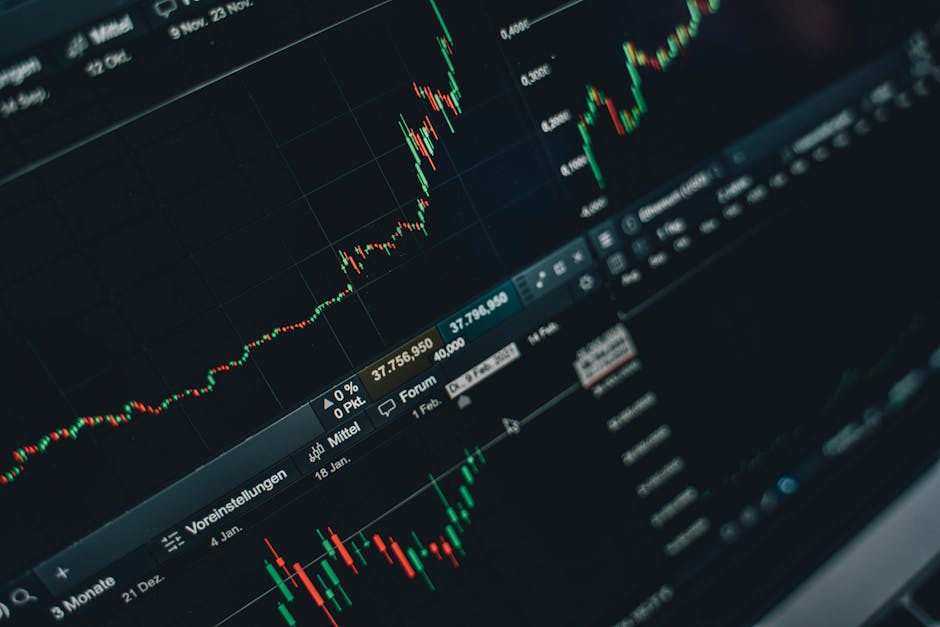
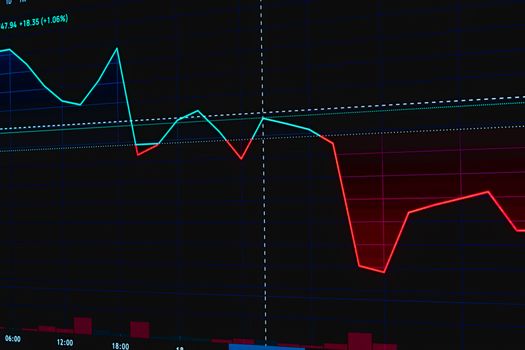
- Bitcoin is trading below $83,000 due to geopolitical tensions.
- Rising oil prices and bond yields are driving capital away from crypto.
- Market volatility is a standard response to international conflict reports.
- Long-term investors should focus on risk tolerance rather than daily swings.
Why is Bitcoin market volatility increasing?
Bitcoin is trading below $83,000 as global markets react to reports regarding potential strike plans involving Iran. When oil prices spike, investors often pull money out of riskier assets like cryptocurrency to move into safer havens. Bond yields are also rising, which creates a double-whammy for digital coins. You might feel tempted to panic, but this movement is a classic reaction to geopolitical uncertainty. It is not a sign that the entire system is broken. Instead, it serves as a reminder that Bitcoin remains highly sensitive to global events. If you hold crypto, expect more of this volatility in the coming days. Watch your portfolio and focus on your long-term goals rather than daily price swings.
How do rising energy prices affect crypto market volatility?
Oil acts as a barometer for global economic stability. When reports of conflict emerge, energy prices jump because traders fear supply chain disruptions. This fear causes a ripple effect across all financial markets. Investors sell off speculative assets like Bitcoin to increase their cash positions. They do this because they need liquidity to handle unexpected costs or to buy stable government bonds. Higher oil prices also lead to inflation concerns. When inflation rises, the cost of living increases, leaving people with less disposable income to invest in digital tokens.
How do geopolitical tensions impact Bitcoin prices?
Rising bond yields put significant pressure on non-yielding assets like Bitcoin. When government bonds pay higher interest, they look more attractive to institutional investors compared to digital assets. You are essentially seeing a flight to quality. If an investor can earn a safe return from a bond, they have less incentive to keep money in a volatile coin. This shift in capital is a primary reason for the drop below the $83,000 mark. It is a mathematical trade-off that happens whenever interest rates or yields move upward.
Is the Bitcoin and oil correlation a long-term trend?
Nobody knows for sure whether this slide will continue or reverse quickly. Markets tend to overreact to news about potential military strikes. Once the uncertainty clears or the situation stabilizes, prices often find a new floor. However, there is a clear downside to holding during high-tension periods. You risk significant short-term losses if the conflict escalates further. If you are a long-term investor, you must decide if your current position aligns with your risk tolerance. Do not let the daily ticker dictate your life.
Should you buy the dip?
Buying during a sharp decline is a popular strategy, but it carries real risk. You might catch a falling knife if the geopolitical situation worsens. Many investors prefer to wait for the market to establish a clear trend before adding more to their holdings. If you decide to buy, use only money you can afford to lose. Never put your emergency savings into a volatile market just because the price looks cheaper than it did yesterday. Patience is often the most effective tool in your kit.
How to track reliable Bitcoin market updates?
Do not rely on social media sentiment to make your financial moves. Check professional financial news wires and major global news outlets for updates on the Iran situation. If you are unsure about the current price, check a reputable exchange or a financial data aggregator. Avoid listening to influencers who claim to know exactly where the price will go tomorrow. Stick to the facts and adjust your plan only when the data warrants a change.
Frequently asked questions
Yes, rising oil prices often signal inflation or economic instability, which can lead investors to pull capital out of risk-on assets like Bitcoin in favor of safer holdings.
Geopolitical uncertainty creates market fear, causing investors to sell volatile assets to increase liquidity and reduce exposure to unpredictable global events.
While Bitcoin is often marketed as 'digital gold,' its historical correlation with tech stocks and sensitivity to macro-economic factors means it frequently reacts to market volatility rather than acting as a stable hedge.