Gibson County Bitcoin Mining: Risks to Power, Noise, and Economy
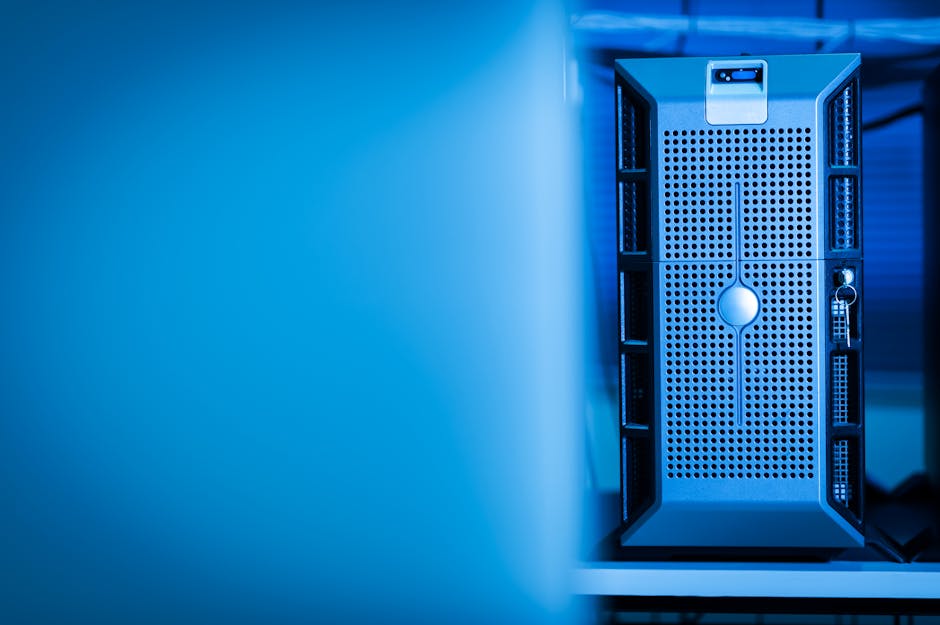
- Bitcoin mining facilities are data centers that solve math puzzles to secure the blockchain.
- These sites require massive amounts of electricity, which can strain local power grids.
- Noise from industrial cooling fans is a common point of contention for nearby residents.
- The economic trade-off is between potential tax revenue and long-term infrastructure costs.
How does bitcoin mining power grid strain affect local residents?
Residents in Gibson County are voicing concerns about a proposed bitcoin mining facility, fearing impacts on their local power grid and community environment. At its core, a bitcoin mining facility is simply a warehouse filled with high-powered computers running complex software. These machines compete to solve difficult math puzzles that secure the bitcoin network. When a computer wins the race, it earns newly created bitcoin as a reward. However, the process requires an immense amount of electricity and generates significant heat. This scale of operation is what worries Gibson County neighbors, who are now weighing the potential for tax revenue against the strain on local infrastructure. It is a classic clash between digital innovation and traditional community infrastructure.
What are the primary environmental impacts of bitcoin mining?
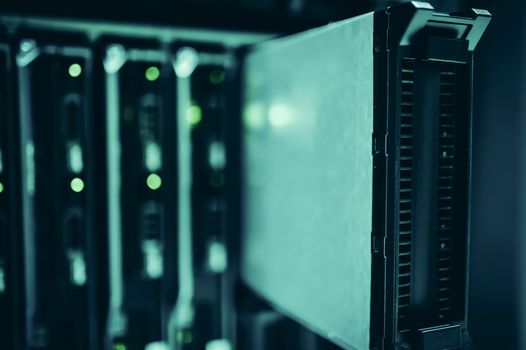
Think of a mining facility as a high-stakes digital accounting firm. Instead of human accountants, thousands of specialized computers perform trillions of calculations every second. These calculations verify transactions on the bitcoin blockchain, which acts as a public ledger. Because the network is decentralized, it relies on this computing power to prevent fraud. The facility doesn't mine a physical resource. It consumes electricity to keep the network secure and decentralized. It is essentially a massive, industrial-grade data center that runs twenty-four hours a day, seven days a week.
Is the potential tax revenue worth the industrial bitcoin mining risks?
These facilities require constant, massive energy loads to function. A single large-scale mining operation can draw as much electricity as a small town. When a facility taps into a local utility grid, it can cause voltage fluctuations or necessitate costly upgrades to transformers. For Gibson County residents, the fear is that this massive demand could lead to higher utility rates for homeowners. According to industry data, industrial miners often seek out regions with low electricity costs. This demand can sometimes squeeze the supply available for residential consumers, leaving local utility providers to manage the shortfall.
How do industrial bitcoin mining operations manage noise and heat?
It isn't just about electricity. To keep thousands of processors from overheating, facilities use industrial-strength cooling fans. These fans run constantly, creating a persistent, low-frequency hum that can carry for miles. In rural or quiet suburban areas, this noise becomes a major point of contention. Some companies install sound-dampening walls, but these are expensive and not always effective. It is a practical problem that often pits property values against industrial development. If the ventilation isn't managed properly, the hum can become a permanent fixture of the local neighborhood.
What is the long-term economic trade-off for Gibson County?
Proponents argue these facilities bring tax revenue and jobs to rural areas. A typical facility might create a handful of full-time technical jobs for site maintenance. However, critics note that once the facility is built, it requires very little human interaction. The trade-off is often between a minor boost in tax revenue and a major increase in infrastructure wear and tear. You have to decide if the long-term utility strain is worth the short-term economic gains. Local governments must weigh these factors carefully before approving land use for such energy-intensive projects.
Frequently asked questions
Large-scale mining operations can strain local power grids, potentially leading to infrastructure upgrades or increased demand that may influence utility rates for local residents.
Yes, bitcoin mining facilities use high-powered industrial fans for cooling, which generate consistent, low-frequency noise that can be disruptive to nearby residential areas.
The primary benefits include increased tax revenue, job creation for facility maintenance, and potential infrastructure investments, though these must be weighed against the costs of grid strain.