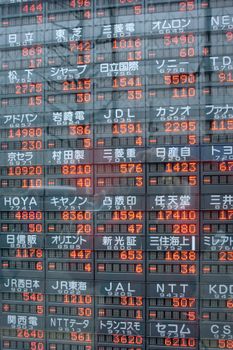
Why Japanese Cyclical Stocks Dropped Amid Rising Inflation
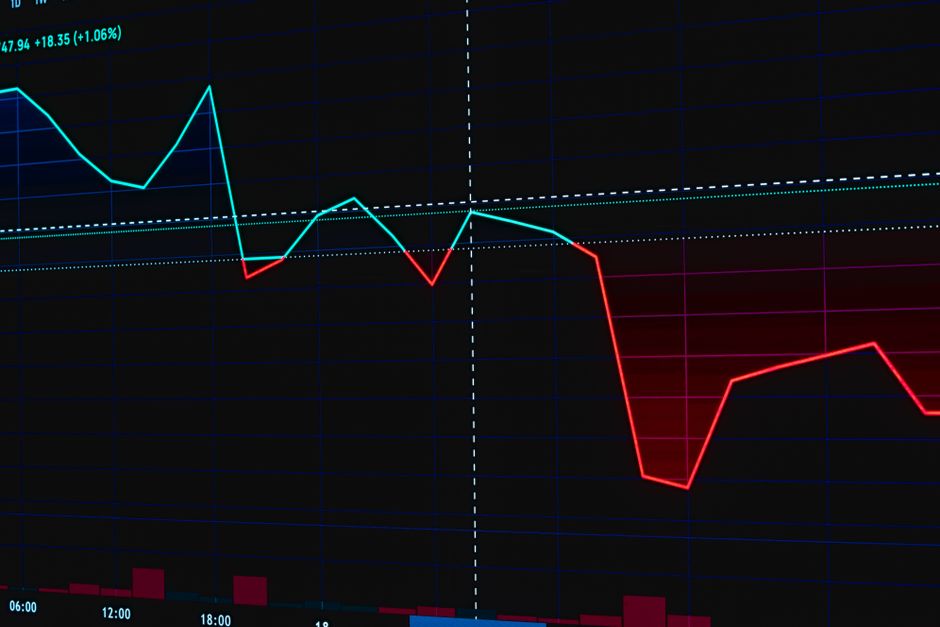
- Nikkei fell ~210 points (≈1.2%) on Oct 8, 2026
- CPI rose to 3.0% YoY, sparking inflation worries
- Auto, steel and shipping stocks led the sell‑off
- Investors shifted to defensive sectors and the yen steadied
What are cyclical stocks and how do they react to inflation?
On Oct 8, 2026 the Nikkei slipped about 210 points, roughly a 1.2% drop, after Japan’s consumer‑price index nudged up to 3.0% year‑over‑year. The rise in inflation made investors nervous about companies that depend on steady demand—think car makers, steel producers and shipping firms. Those are called cyclical stocks because their earnings swing with the economy. When price pressures mount, the cost of raw materials climbs and profit margins shrink, prompting a quick sell‑off. In short, higher inflation hit the bottom line of these firms, and the market reacted by pulling money out.
How does inflation squeeze profit margins for Japanese firms?
Cyclical firms buy a lot of commodities—steel for construction, oil for shipping, parts for cars. When inflation spikes, those input costs rise faster than the prices they can charge customers, squeezing margins. According to the Bank of Japan’s latest outlook, a 0.5% increase in input costs can shave 2‑3% off a typical auto maker’s quarterly profit. At the same time, consumers may delay big‑ticket purchases if wages don’t keep pace, further dampening demand. The combination of higher expenses and softer sales creates a double‑whammy that investors hate, so they rush to sell.
What does the latest Japanese economic outlook mean for investors?
The auto sector felt the brunt, with Toyota shares slipping about 2% and Nissan down 2.3% during the morning session. Steel makers such as JFE Holdings fell 1.8%, while the shipping giant Mitsui O.S.K. Lines dropped 2.1%. Even consumer‑discretionary retailers saw modest falls, around 1.5%, as shoppers tightened belts. Data from Bloomberg confirms these moves were the biggest contributors to the Nikkei’s overall loss. In contrast, defensive stocks like utilities and consumer staples held steadier ground, some even edging up 0.4% as investors chased safety.
How did investors react to the recent Japanese market volatility?
Faced with the sell‑off, many fund managers rotated out of cyclical holdings and into defensive plays—think electricity providers and food producers. The yen also steadied, gaining roughly 0.3% against the dollar as foreign investors sought a hedge against inflation‑driven volatility. According to a report from Nomura, inflow into Japanese bond ETFs rose by ¥120 billion in the hour after the market opened. This shift reflects a classic risk‑off move: when price pressures rise, capital flows toward assets perceived as less sensitive to economic swings.
Should individual investors maintain positions in Japanese stocks?
If you own a diversified portfolio, a short‑term dip isn’t a reason to panic. The key is to check how much exposure you have to cyclical names versus defensive ones. For new investors, a balanced ETF that blends both sectors can smooth out volatility. However, be aware that if inflation stays high, earnings for auto, steel and shipping firms could stay under pressure for months. Watching the CPI releases—usually at the start of each month—will give you an early signal of whether the trend might continue.
What is the long-term outlook for inflation and Japanese equities?
Analysts at Mitsubishi UFJ see the CPI easing back toward 2.5% by the end of the year, which could relieve pressure on cyclical margins. If that happens, the Nikkei may rebound, especially if global demand for cars and steel picks up. On the flip side, a resurgence in oil prices or a weaker yen could reignite cost concerns. In short, the market’s path hinges on whether inflation proves temporary or becomes entrenched. Keeping an eye on both domestic price data and broader commodity trends will help you gauge the next move.
Frequently asked questions
Cyclical stocks are highly sensitive to economic cycles. During inflation, rising input costs and reduced consumer purchasing power often compress profit margins, leading to lower valuations.
Inflation impacts the Nikkei 225 by increasing operating costs for major Japanese exporters and manufacturers, which can lead to reduced earnings reports and subsequent investor sell-offs.
Investment decisions depend on your individual risk tolerance and time horizon. While inflation presents short-term headwinds, market corrections can sometimes create entry points for long-term investors.