How a stock market pullback affects your portfolio
- The market fell roughly 2% after hitting all‑time highs.
- Tech giants like Apple and Microsoft led the decline.
- Short‑term traders may see volatility, but long‑term investors can stay the course.
- Diversifying and using stop‑loss orders can limit downside.
Why are stocks falling right now?
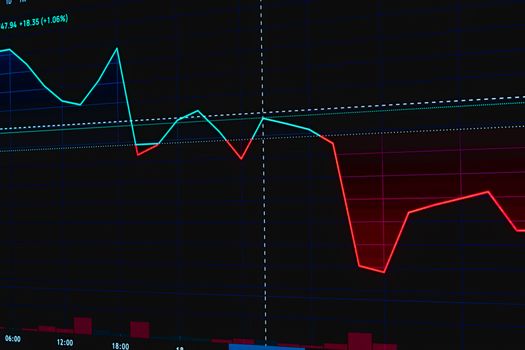
The recent pullback shaved about 2% off the major indices after a record‑breaking run, meaning your portfolio likely felt a small dip. If you own broad market ETFs, expect a modest loss of a few dollars per share. But the drop is not a crash; it’s a pause that can actually protect gains by shaking out over‑bought positions. In short, the wall is a reminder that markets move in cycles, and a brief dip doesn’t erase the growth you’ve already captured.
How does market volatility affect your investment portfolio?
Analysts point to three main reasons. First, valuation metrics for the S&P 500 rose to historic levels, prompting investors to lock in profits. Second, rising bond yields made fixed‑income assets more attractive, pulling money away from equities. Third, a series of mixed earnings reports—Apple fell 3% after a weaker iPhone forecast—added nervousness. Together these factors created a supply‑demand imbalance that capped the rally. The consensus among Wall Street strategists is that the market needed a breather after months of near‑continuous gains.
Are current stock market trends a sign of a crash?
Technology took the biggest bite, with Apple (AAPL) and Microsoft (MSFT) each sliding about 3% as investors reassessed growth expectations. Consumer discretionary also slipped, led by a 2.5% drop in Nike shares after a warning on sales. In contrast, utilities and health‑care were relatively stable, falling less than 1% and even gaining a fraction in some cases. This sector split shows that defensive stocks can act as a buffer when high‑growth areas wobble.
How will this affect short‑term investors?
If you trade on a weekly or daily horizon, expect tighter ranges and higher volatility. The VIX, a common fear gauge, rose about 10 points after the retreat, signaling more nervousness. Short‑term traders might use tighter stop‑loss orders—say 1.5% below entry—to protect against sudden swings. However, tighter stops can also trigger premature exits if the market rebounds quickly, so balance risk with the chance of missing a bounce.
What does this mean for long‑term growth plans?
For investors with a five‑year or longer horizon, the wall is largely a blip. Historical data shows that markets recover from short‑term dips and continue upward over the long run. A 2020‑2025 study by Vanguard found that portfolios that stayed fully invested after a 2% pullback outperformed those that tried to time the market by 0.7% annualized. The downside is the psychological temptation to sell, which can lock in losses and reduce future upside.
Can you protect yourself now?
Diversification remains your best armor. Adding bonds, real‑estate funds, or even a modest cash position can smooth out equity volatility. Some advisors recommend a 5% to 10% allocation to cash or short‑term Treasury bills during uncertain periods. Another tool is a “protective put” on a broad index, which costs a few dollars per contract but caps downside if the market falls further. The trade‑off is the premium paid, which reduces overall returns if the market stays flat.
What to watch for in the next few weeks
Keep an eye on three signals. First, upcoming earnings season—if major tech firms beat expectations, the market could regain momentum. Second, Federal Reserve commentary on interest rates; a dovish tone might lift equities. Third, geopolitical headlines, especially any escalation that could spook investors. If any of these factors swing in a positive direction, you may see the indices rebound; if not, the wall could hold longer, testing patience.
Frequently asked questions
A pullback is a short‑term decline of 5‑10% in major indices, often caused by profit‑taking, economic data releases, or temporary sentiment shifts. It differs from a crash, which is a rapid, steep drop of 20% or more. Pullbacks are common in healthy markets and can present buying opportunities.
Increased volatility can cause portfolio values to swing daily, but the long‑term impact depends on your asset allocation. Diversified portfolios typically weather pullbacks better, while concentrated positions may see larger short‑term losses.
Short‑term investors should reassess risk tolerance, consider tightening stop‑loss orders, and avoid panic selling. Maintaining liquidity and focusing on high‑quality, liquid assets can help manage downside risk.
Long‑term investors can stay the course, use dollar‑cost averaging to add to positions at lower prices, and ensure their portfolio remains diversified across sectors and asset classes.