How Rising Oil Prices Impact Asian Stock Market Inflation Risks
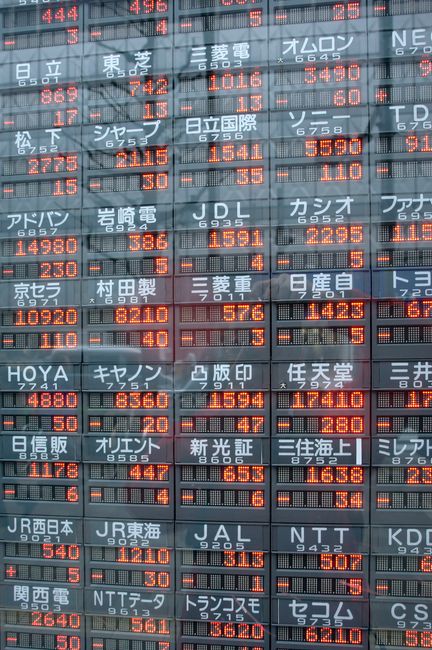
- Rising crude oil prices are putting immediate downward pressure on Asian equity markets.
- Mideast tensions remain the primary driver behind the sudden energy price spike.
- Persistent inflation concerns are forcing investors to reconsider their risk exposure.
- Energy-importing nations in the region face the most direct economic headwinds.
How do rising oil prices influence Asian stock market inflation?
Asian stocks are heading lower as a spike in crude oil prices triggers renewed inflation fears across the region. When energy costs climb, companies face higher production and transportation expenses, which typically eat into profit margins and discourage stock buying. If you hold index funds or individual stocks tied to Asian markets, you will likely see a dip in your account balance this week. This movement is not just a temporary blip; it reflects the market's nervous reaction to instability in the Mideast. For the average investor, this serves as a sharp reminder that geopolitical events can disrupt global supply chains overnight. You should prepare for increased volatility until energy prices stabilize.
Why crude oil price volatility triggers broader inflationary pressure
Oil acts as the lifeblood of the global economy. When prices jump due to geopolitical flareups, it acts as a hidden tax on both consumers and businesses. Higher fuel costs drive up the price of moving goods, which keeps consumer inflation elevated. Central banks often respond to these inflation spikes by keeping interest rates higher for longer to cool down demand. This creates a double-edged sword for your portfolio. Higher interest rates make borrowing expensive for companies, which lowers their growth potential. But it also makes high-yield savings accounts and bonds more attractive than they were a year ago. You are essentially watching the market weigh the risk of a recession against the reality of higher costs. The connection is direct: when oil prices climb, corporate earnings forecasts usually fall. If you are watching the energy sector, remember that the companies most sensitive to these price hikes are airlines, manufacturing firms, and retailers. These businesses have a harder time passing costs to customers without losing market share.
Effective strategies for managing geopolitical risks in volatile markets
Don't rush to sell your entire position just because the ticker is flashing red. Panic selling is the fastest way to turn a temporary market dip into a permanent loss of capital. Instead, check your current exposure to energy-importing regions. If your portfolio is heavily concentrated in Asian manufacturing or consumer goods, you might consider diversifying into sectors that act as a hedge against inflation. Commodities and energy companies often perform better when oil prices rise, acting as a natural counterbalance. However, there is a trade-off: these sectors can be cyclical and prone to their own sudden reversals. If you are a long-term investor, focus on the fundamentals of the companies you own rather than the daily noise. Ask yourself if the business can survive a period of higher input costs. If the answer is yes, holding through the dip is usually the most effective path forward. If you find your sleep is disturbed by these daily fluctuations, it may be time to increase your cash position or shift toward more defensive assets like dividend-paying staples.
Frequently asked questions
Rising oil prices increase production and transportation costs, which can squeeze corporate profit margins and drive up consumer inflation, often leading to lower stock valuations in energy-importing Asian economies.
Inflation fears often lead central banks to raise interest rates to cool the economy. Higher rates increase borrowing costs for businesses and reduce the present value of future earnings, causing investors to sell riskier assets.
Investors can hedge by diversifying into sectors less sensitive to energy costs, increasing exposure to inflation-protected securities, or maintaining a higher cash position to capitalize on market corrections.