Environmental groups weigh AI benefits against data center costs
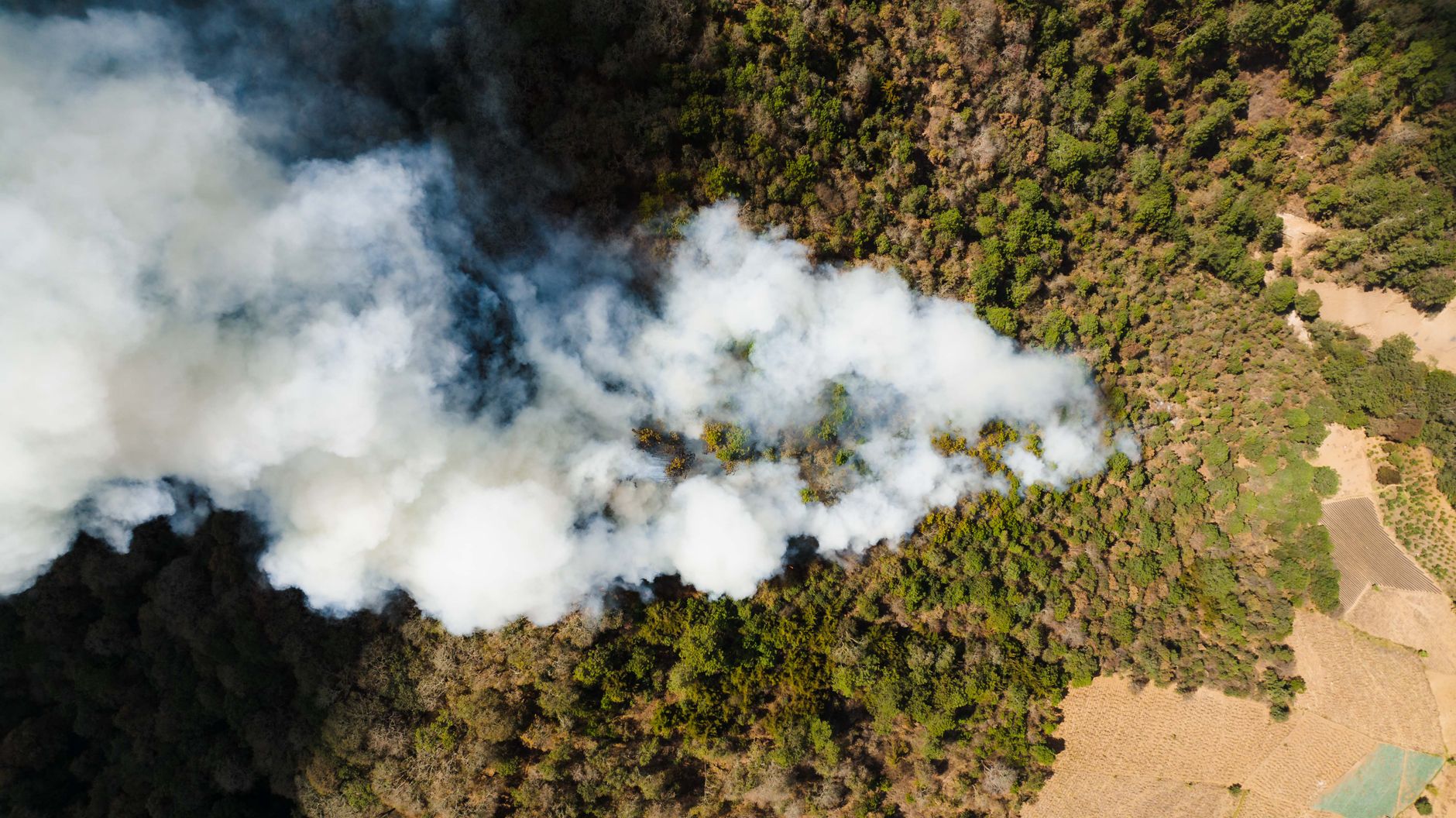
- Environmental groups are using AI to track forest fires and endangered wildlife.
- Data centers are driving significant increases in electricity and water usage.
- AI tools have drastically reduced the time required for conservation research.
- Tech giants face scrutiny over rising emissions linked to data center growth.
- The UN will discuss sustainable AI deployment at the upcoming COP31 conference.
Environmental organisations around the world are deploying artificial intelligence to track forest fires, monitor endangered wildlife populations, and analyse complex climate data. Reuters interviewed 15 major conservation, development, and environmental groups that confirmed their use of these technologies.
These organisations simultaneously warn that the data centres powering these digital tools are driving a surge in electricity demand, water usage, and greenhouse gas emissions.
Data centers drive surge in emissions and water use
These facilities will produce over 300 million metric tons of carbon dioxide annually by 2030, according to the International Energy Agency. The agency also reports that annual water consumption by data centres will rise from 560 billion litres in 2023 to 1.2 trillion litres by 2030.
Organisations have expressed concern that the infrastructure required to power artificial intelligence is driving these increases in environmental impacts.
AI tools transform wildlife monitoring and research
Researchers at the organisation's camp in Kenya’s Samburu National Reserve used a surveillance drone for this purpose on 4 November 2026.
Frank Pope, chief executive of Save the Elephants, said AI models trained on Nvidia's GeForce platforms can analyse 200,000 images in hours. This task previously required nine people working for nine months.
The Jane Goodall Institute is using AI to digitise decades of handwritten field notes regarding chimpanzee behaviour in Tanzania's Gombe National Park. Lilian Pintea, vice president of conservation science at the institute, said an AI tool developed with Amazon Web Services reduced the digitisation timeline from 13 to 15 years to about two years.
Organizations implement responsible AI guidelines
Conservation International is attempting to balance technological utility with environmental impact.
The World Resources Institute has introduced limits on resource-intensive AI applications, such as image and video generation. The institute also caches query results to prevent the need for redundant processing. Lilian Pintea said that "AI technology should be seen as tools which are human-centered".
The Nature Conservancy employs AI-powered cameras on commercial fishing vessels to identify catches. By processing this information locally on the vessels, the organisation reduces energy use and data transfer requirements compared to using centralised data centres.
Greenpeace International has implemented internal guidelines for AI use, prioritising transparency, human oversight, and intentional application of the technology.
Greenpeace questions necessity of data center growth
Greenpeace International maintains a sceptical position regarding the expansion of data centre infrastructure. The organisation continues to use AI tools, though it notes these are primarily integrated into software platforms it already relies upon.
Tech giants face climate target pressure
This trend has created uncertainty regarding the ability of these companies to reach their climate targets.
Amazon told Reuters that its AI products are among the most sustainable available. The company cited its efforts to improve power and water efficiency and its ongoing purchases of low-carbon energy.
Technology companies are now becoming significant players in energy investment to secure their power supplies.
These firms are securing energy through methods including self-built facilities, mergers and acquisitions, and power purchase agreements.
Energy investment landscape reshaped by AI demand
Natural gas-fired power is currently favoured for its stability and the speed at which facilities can be constructed to meet rising electricity demand.
UN to address AI sustainability at COP31
At the event, the nation intends to call for a pledge on the sustainable development and deployment of AI.
UN Secretary-General Antonio Guterres is calling for major AI companies to publicly disclose the environmental impacts of their systems.
Frequently Asked Questions
- China to top global energy investment table with US$940b by 2026 (thestandard.com.hk)
- Environmental groups embrace AI, even as they warn of data center impacts | GMA News Online (gmanetwork.com)
- Environmental groups embrace AI despite its environmental costs (news.cgtn.com)
- Donald Trump makes hardliner Stephen Miller his chief of staff (arynews.tv)
- Tavily (tavily.com)
- Turkey’s COP31 message: Electrify, recycle and don’t mention coal (straitstimes.com)
Add NewsPulse Time as a preferred source on Google