Environmental groups adopt AI despite data center energy concerns
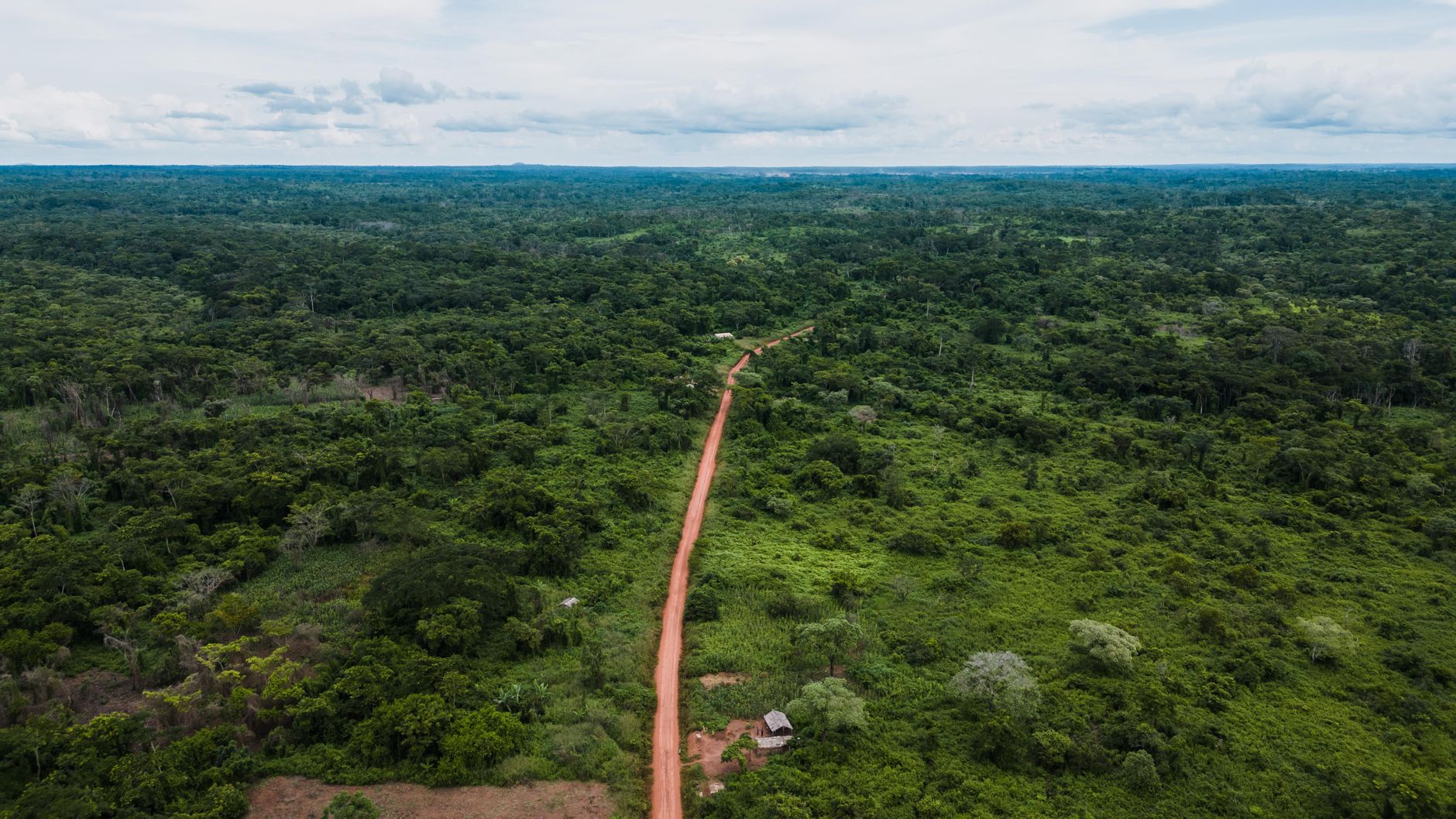
- 15 conservation groups use AI for climate data and wildlife monitoring.
- Data centers are projected to consume 945 terawatt-hours of electricity by 2030.
- AI helps identify wildlife populations previously missed by human surveys.
- Groups are implementing internal guidelines to reduce their AI energy footprint.
- COP31 will feature a push for sustainable AI deployment principles.
A survey of 15 major conservation and development organisations has confirmed that every participant currently utilises artificial intelligence within their operations. These groups are deploying the technology to monitor wildlife, track forest fires, and analyse climate data.
The organisations involved in the survey did not disclose their identities, the names of the specific AI products used, or the financial costs associated with these projects.
These groups are adopting these digital tools to address urgent climate and biodiversity crises, even as they express concern regarding the energy and water consumption of the data centres required to power them.
Benefits of AI outweigh environmental costs for conservationists
Supporters of the technology argue that its ability to enable the early detection of forest fires and the rapid counting of endangered species is essential for conservation efforts. This view is held despite acknowledgement of the environmental footprint created by the data centres used to run these programmes.
Stuart Butchart, chief scientist at BirdLife International, said that environmental groups must engage with artificial intelligence to protect the planet more effectively. He said that failing to adopt these tools would be derelict in the duty of such organisations.
Ali Swanson, AI lead at Conservation International, said that the organisation recognises the environmental costs associated with artificial intelligence. She said that conservationists need to be thoughtful about how they utilise the technology while noting its potential to address climate and biodiversity crises.
AI tools accelerate wildlife classification and field research
AI tools now support complex classification tasks for smaller nonprofits that previously required expensive labs or contractors. The United States Department of Agriculture uses an automated AI tool to identify errors in corn data that humans might otherwise miss.
Conservation International uses AI to identify satellite-detected hotspots and provide real-time alerts to forest patrols regarding potential wildfires in remote parts of Cambodia. In Kenya, Save the Elephants uses machine learning to study elephant communication and improve population surveys.
Chief executive Frank Pope said that AI makes nature “measurable and therefore investable”.
AI analysis revealed that previous human surveys missed approximately one-third of elephants, half of giraffes and zebras, and three-quarters of oryx populations.
This reduces the project timeline from 13-15 years to about two years. Lilian Pintea, vice president of conservation science at the Jane Goodall Institute, said that “AI technology should be seen as tools which are human-centred,” provided that humans remain in control of their use.
Data centers face scrutiny over electricity and water consumption
These organisations specifically cited issues with electricity demand, water usage, and greenhouse-gas emissions.
Technology companies including Google, Amazon, and Microsoft have reported that their emissions are rising, a trend they attribute in part to the expansion of data centres.
This water consumption is primarily attributed to cooling requirements at large facilities.
This represents an increase from 485 terawatt-hours in 2025.
The fact sheet regarding data centre electricity demand does not specify the energy mix, making any claims about the source of that power speculative.
Environmental groups implement internal AI mitigation strategies
The World Resources Institute restricts resource-intensive tasks like image and video generation. The organisation also stores query results to prevent redundant processing.
Vienna Saccomanno, a senior scientist at The Nature Conservancy, said the group processes footage from fishing vessels on-board ships. This method reduces energy use and data transfers compared to uploading large video files to data centres.
Greenpeace International uses AI tools but has implemented internal guidelines for transparency and human oversight. The group questions the necessity of building massive data centres. Shattered.io reported on 7 November 2026 that groups should use AI where beneficial while pressuring suppliers to reduce the environmental footprint per task.
Industry collaboration and regulatory challenges for AI builders
Available reporting does not specify the group's funding, commitments, deliverables, or enforcement mechanisms. Following the midterms, 40 out of 41 ballot measures regarding data centres were decided against AI builders.
This capital eventually turns into power requests for grid operators.
UN COP31 conference to address sustainable AI deployment
The UN's COP31 climate conference in Türkiye is expected to feature a push for governments and institutions to sign a pledge establishing principles for sustainable AI deployment. This event takes place this month.
UN Secretary-General Antonio Guterres has requested that major AI companies disclose the environmental impacts of their systems.
Frequently Asked Questions
Add NewsPulse Time as a preferred source on Google