Voters Reject Prop 45 Environmental Overhaul
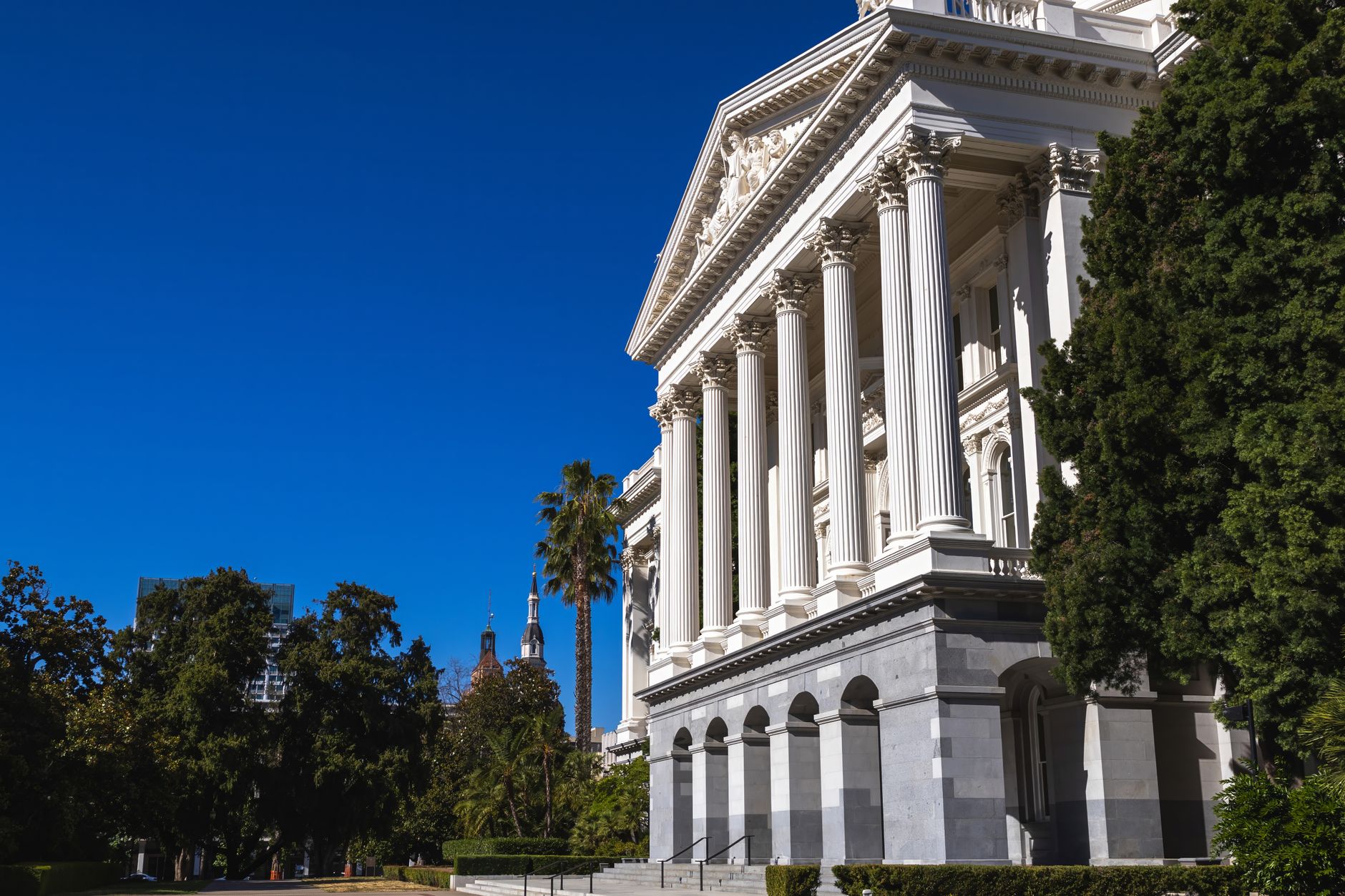
- California voters rejected Proposition 45 with 81.5% of the vote.
- The measure sought to limit environmental review timelines to 365 business days.
- Supporters argued the act would lower costs for housing and transit projects.
- Environmental groups and non-recognized tribes strongly opposed the measure.
- The initiative would have restricted tribal consultation to federally recognized tribes.
California voters overwhelmingly rejected Proposition 45 in the election, with 81.5% of the electorate opposing the measure.
Proposed changes to the California Environmental Quality Act
The California Chamber of Commerce is sponsoring Proposition 45, also known as the Building an Affordable California Act, which would amend the California Environmental Quality Act.
Under the proposal, government agencies would have faced a one-year deadline to issue or deny permits for these essential projects. The law would have limited the length of environmental reviews to 365 business days.
Courts would have been required to resolve related lawsuits within 270 calendar days.
Exclusion of non-recognized tribes in development consultation
Proposition 45 would have limited consultation on development projects to federally recognized tribes, excluding dozens of tribes without federal recognition. The California Environmental Quality Act currently is a primary method for tribes to comment on impacts to ancestral territories, including graves, ceremonial grounds, and ancient villages.
Tribal consultation provides a venue for confidential discussion of sensitive information before government agencies publish draft environmental reviews. Non-recognized tribes characterized the measure as an attempt by economically powerful tribes to safeguard their own interests. They argued the initiative sought to avoid negotiations over territorial disputes and site protection.
Challenges for Indigenous communities seeking federal recognition
Dozens of Indigenous communities in California remain unrecognized by the federal government. The federal recognition process began in 1978, and only 18 tribes nationwide have achieved status since then.
Only the Timbisha Shoshone Tribe of Death Valley has gained recognition in California. Coastal mission-affected tribes like the Gabrielino have struggled to obtain recognition after enduring three waves of settlers. These groups faced death, forced displacement, and cultural suppression under Spanish, Mexican, and American rule.
Arguments from supporters and opponents
Supporters of the measure argued that the changes would lower building costs. Environmental groups opposed the initiative, claiming it went too far.
Salas said, "Proposition 45 is part of a much longer struggle over whose voices California chooses to hear". Salas added, "Our rivers, habitats, and the animals that depend on them lose their protection when the people who know these places are removed from the table".
Cordero warned that passage of the measure meant "that hundreds of sacred sites and thousands of invaluable and irreplaceable tribal cultural resources would be destroyed in subsequent years".
Legislative history and financial backing
The Yuhaaviatam of San Manuel Nation, a federally recognized tribe, donated $750,000 to the Yes on Prop 45 committee.
The initiative mirrored two similar attempts made in the legislature over the past two years.
Frequently Asked Questions
- Voters decide Prop 45, an overhaul one of California’s major environmental laws (mercurynews.com)
- Prop 45 California election result: CEQA overhaul on the ballot (calmatters.org)
- Voters decide Prop 45, an overhaul one of California's ... (x.com)
- Prop 45 would bar dozens of tribes from consulting on development projects - Los Angeles Times (latimes.com)
- California's environmental review process for construction ... (facebook.com)
- Where do the 14 ballot propositions stand? | Sacramento Bee (sacbee.com)
Add NewsPulse Time as a preferred source on Google