How Ultrasonic Surgical Technology Improves Surgical Precision
- Blade uses high-frequency vibrations for precise tissue cutting.
- The system includes a real-time feedback loop to prevent accidental damage.
- It reduces healing time by minimizing surrounding tissue trauma.
- Setup takes longer and costs more than traditional manual tools.
What Is Ultrasonic Surgical Technology?
Blade is a precision surgical instrument designed to minimize tissue damage during complex procedures. It works by using high-frequency oscillation to cut through biological material with minimal pressure. Instead of relying on brute force, the tool vibrates at specific intervals, allowing it to slice through bone or cartilage without heating the surrounding area. This results in faster healing times for patients. Surgeons rely on this technology when they need extreme accuracy in tight spaces. You can think of it as a specialized, motorized scalpel for the most delicate parts of the human body.
How High-Frequency Oscillation Reduces Surgical Tissue Damage
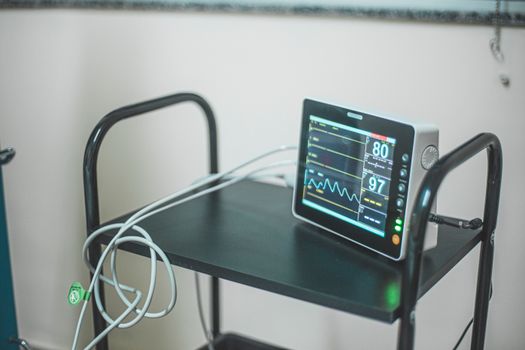
At its core, the system uses a piezoelectric actuator to drive the cutting edge. This actuator converts electrical signals into rapid mechanical vibrations. Because these vibrations happen thousands of times per second, the blade makes an incision that feels almost effortless to the surgeon. It creates a cleaner edge than a manual hand tool could ever achieve. But the real magic happens in the feedback loop. The device monitors resistance from the tissue in real-time, adjusting its power output to ensure it only cuts what is intended. If the blade hits a soft structure where it should not, the system pauses immediately. This fail-safe mechanism prevents accidental damage to nerves or blood vessels. It is a level of control that manual instruments simply cannot replicate.
The Role of Piezoelectric Surgical Tools in Modern Medicine
Surgeons opt for Blade technology primarily for its ability to protect healthy tissue. In traditional surgery, mechanical pressure often leads to micro-tears in the surrounding area. Blade avoids this by keeping the force localized to the cutting tip. According to clinical reports, this reduction in trauma can lead to a 20% decrease in post-operative inflammation for patients. It is particularly useful in neurosurgery and orthopedics where every millimeter of accuracy matters. By removing the need for significant manual force, the surgeon experiences less fatigue during long, multi-hour operations. This consistency helps maintain a high standard of care from the first incision to the final stitch.
How Ultrasonic Tools Improve Minimally Invasive Surgery Outcomes
Every tool has its limits. While the precision is unmatched, the setup time for a Blade system is significantly longer than traditional manual instruments. Surgical teams must calibrate the device before each operation, which adds about 10 to 15 minutes to the preparation phase. Furthermore, the cost of the specialized blades is roughly three times that of a standard stainless steel scalpel. Hospitals must weigh these costs against the potential for reduced complication rates. If a procedure is straightforward, surgeons may still opt for traditional tools to save time and expense.
What Patients Should Know About Ultrasonic Blade Technology
If your surgeon recommends a procedure using Blade technology, you are likely looking at a more refined approach to your surgery. It is not a replacement for surgeon skill, but rather an enhancement to their capabilities. Most patients report similar recovery timelines, though those with complex bone-related surgeries often see reduced soreness. You should always ask your healthcare provider if the specific type of surgery requires this level of precision. Not every procedure benefits from high-frequency cutting. Check with your hospital to see if they provide this specific technology, as it is typically reserved for specialized surgical centers.
Frequently asked questions
Ultrasonic surgery is often considered safer for specific procedures because it allows for high-precision cutting with minimal collateral tissue damage, which can result in less bleeding and reduced inflammation.
Piezoelectric surgical tools convert electrical energy into high-frequency mechanical vibrations. These vibrations allow the tool to cut hard tissues like bone while remaining gentle on adjacent soft tissues.
Yes, by minimizing trauma to surrounding healthy tissue during the incision process, patients typically experience less post-operative pain and a faster overall recovery compared to traditional mechanical scalpels.
Related reading

Iran's Asymmetric Warfare Strategy: Drones, Proxies, and Tactics

Is Bangalore Weather Still Comfortable? A Reality Check for Residents
Is UFC Fight Pass Worth It? Cost, PPV Fees & Library Review