Is Bangalore Weather Still Comfortable? A Reality Check for Residents
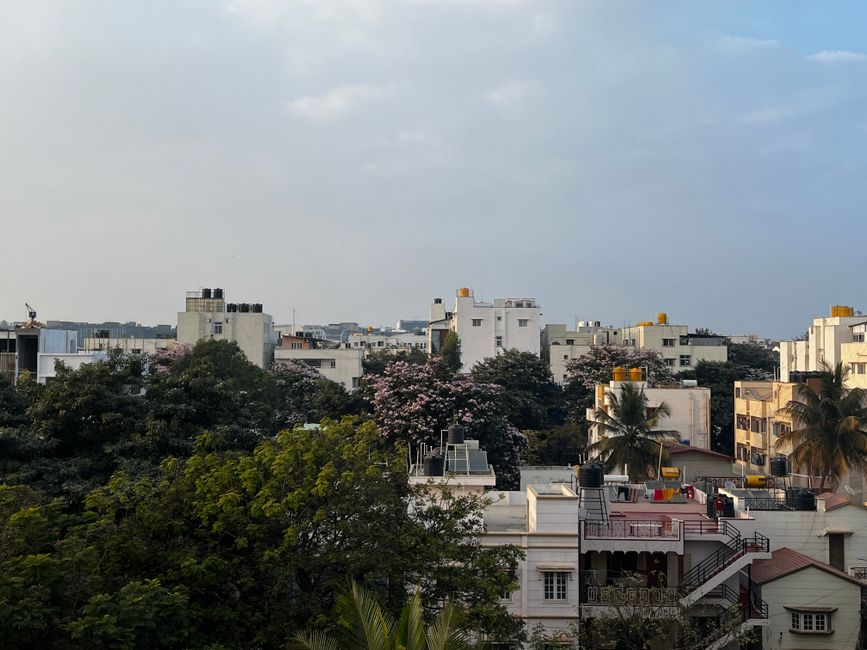
- The city's famous 'eternal spring' is becoming less predictable due to urban density.
- Mild temperatures offer a distinct advantage for outdoor exercise compared to other metros.
- The 'AC-less' lifestyle depends heavily on your specific neighborhood's tree cover.
- Commute times often negate the benefits of the pleasant outdoor air.
How Has Climate Change Impacted Bangalore’s Weather?
Bangalore weather is worth the hype, provided you understand that the city’s famous climate is no longer guaranteed. While you might not need an air conditioner in many areas, the rising urban heat index means some days are undeniably uncomfortable. You get the benefit of a high-altitude climate, but you also lose the predictability of the past. It is a balancing act between mild breezes and localized heat pockets caused by rapid construction. If you value a temperate climate over extreme humidity or freezing winters, this city remains a top contender for your health and comfort. But, you must be prepared for the reality of a changing, denser urban environment.
Is Living in Bangalore Still Comfortable Without Air Conditioning?
Many people move here expecting to turn off their AC units for good. And for the most part, that still holds true in well-ventilated areas with significant green cover. You will likely find that a ceiling fan is sufficient for about 80% of the year. However, if you live in high-density areas with minimal trees, the concrete traps heat throughout the night. This is a classic urban heat island effect. So, the promise of an AC-less home depends entirely on your specific neighborhood and the amount of concrete surrounding your building. It isn't a city-wide constant anymore.
What Are the Primary Causes of Rising Urban Heat in Bangalore?
From a health perspective, the moderate temperature is a significant advantage for outdoor activities. You can jog or cycle in the early mornings without the oppressive humidity found in coastal metros. But, you have to watch out for the shift in air quality. As temperatures rise, ground-level ozone levels can fluctuate, which matters for those with respiratory conditions. According to local air quality reports, the cooler morning air is your best window for exercise. Keep your workouts timed to these specific windows to get the most out of the climate.
Recent Trends in Bangalore Temperature and Climate Data
The weather is only one half of the experience; the traffic is the other. Sitting in a car for two hours during a pleasant, breezy evening is a different experience than doing it in extreme heat. You might enjoy the breeze, but the fumes and congestion often negate the benefits of the fresh air. This is the primary trade-off for residents. If your commute takes you across major tech corridors, you spend less time enjoying the weather and more time dealing with the stress of the road. It is a frustrating reality that dampens the appeal of an otherwise beautiful day.
The Trade-off Between Bangalore’s Climate and Urban Infrastructure
You are essentially trading infrastructure reliability for a better climate. In many other major tech hubs, you might have better public transit, but you pay for it with intense weather extremes. Here, you gain a comfortable environment that supports a more active lifestyle. But, you lose time to congestion and infrastructure gaps. It is a compromise that every professional here makes. If you prioritize physical comfort and outdoor access, the weather keeps the city on top. If you prioritize efficiency, the weather might feel like a minor perk compared to the logistical hurdles.
How Does Bangalore’s Climate Compare to Other Indian Metros?
When you compare Bangalore to other major Indian tech centers, the advantage is clear. You avoid the scorching heat waves that hit the north and the heavy, sticky humidity of the south. But, it is not the perfect paradise that brochures claim. The weather is a solid B-plus, while other cities often fluctuate between an A and a D. You get consistency here. For a health-conscious professional, that consistency makes planning an active life much easier than in places where the weather dictates your schedule.
Frequently asked questions
Yes, Bangalore generally maintains lower average temperatures than cities like Delhi or Chennai, though the gap is narrowing due to urban heat island effects and rapid development.
While many residents previously lived comfortably without AC, rising summer temperatures have made air conditioning an increasingly common necessity in newer apartments and high-density urban areas.
The increase in temperature is primarily driven by rapid urbanization, the loss of green cover and water bodies, and the expansion of heat-absorbing concrete infrastructure throughout the city.
Related reading
Is UFC Fight Pass Worth It? Cost, PPV Fees & Library Review

Is the $79.99 UFC PPV Price Worth It? A Performance Value Analysis

Barca Health Monitor Review: Is the $399 Price Tag Justified?