Iran's Asymmetric Warfare Strategy: Drones, Proxies, and Tactics
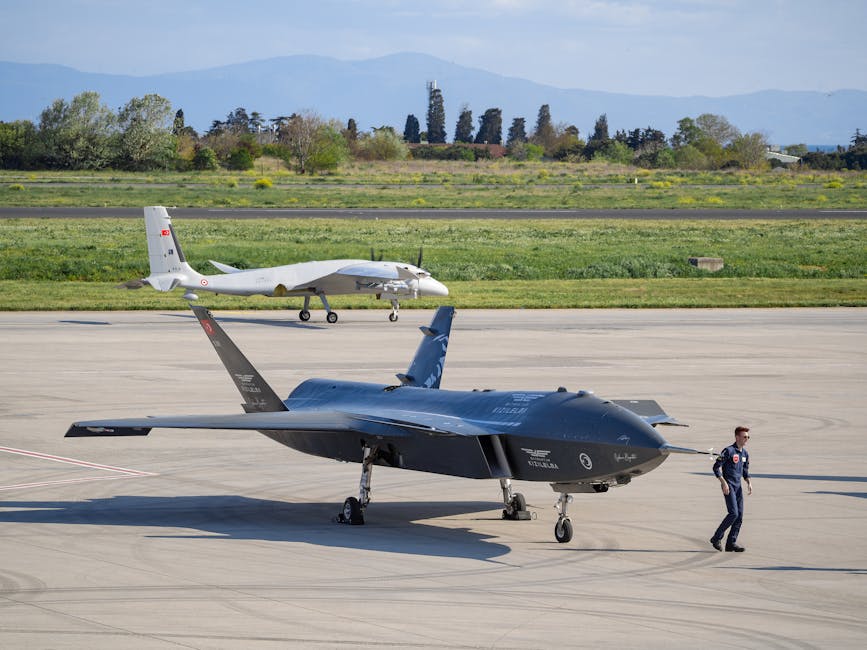
- Modern conflict relies on asymmetric warfare rather than direct army-to-army combat.
- Proxy groups provide a layer of deniability for regional operations.
- Drone technology allows for long-range strikes at a fraction of the cost of missiles.
- The conflict creates significant bottlenecks for global medical and industrial supply chains.
What is the definition of asymmetric warfare?
Modern conflict in Iran relies on asymmetric warfare, which uses smaller, cheaper assets to counter larger military forces. Instead of relying on conventional tank battles, this approach prioritizes drone swarms, missile batteries, and decentralized proxy groups. These tactics allow for significant damage while avoiding direct, large-scale army movements. By keeping the conflict at a distance, it becomes harder for external powers to engage effectively. This strategy turns geography into a shield, forcing adversaries to rethink traditional approaches. It is not about winning a single battle, but rather maintaining a state of persistent pressure.
How do drone swarm tactics function in modern conflict?
Iran operates through a series of proxy networks that function as decentralized units across the Middle East. These groups receive funding, training, and equipment from Iranian military entities, yet they operate with significant local autonomy. This structure serves two purposes for the state. First, it provides plausible deniability during attacks. Second, it creates a buffer zone that keeps the primary military infrastructure protected from direct retaliation. According to international security reports, these networks often operate in regions where state authority is weak, such as parts of Lebanon or Yemen. It is a model designed for long-term endurance rather than quick resolution.
What role do Iranian proxy networks play in regional stability?
Drones have changed the math of military engagement in the region. A single long-range loitering munition can cost roughly $20,000 to produce, compared to millions for a traditional fighter jet. This price difference allows for mass-produced swarms that can overwhelm air defense systems. When a system is saturated by dozens of low-cost drones, the defense must fire expensive interceptors at every target. It creates a financial imbalance that heavily favors the attacker. Manufacturers in the region have scaled production to ensure these assets remain available even during prolonged periods of heightened tension.
How does Iran integrate asymmetric tactics into its military doctrine?
Diplomacy struggles here because the conflict is often shadow-based. If an attack occurs, finding a clear chain of command back to the central government is difficult. Every nation involved has different goals, ranging from regional dominance to simple regime survival. There is also the issue of the nuclear program, which acts as a massive leverage point for negotiations. Without a shared framework for what constitutes a fair agreement, progress remains stuck. Most experts agree that without a change in the underlying strategic incentives, the cycle of tension will likely continue indefinitely.
How does asymmetric warfare threaten global supply chains?
As someone who covers health tech, I see the downstream effects on medical logistics. The Strait of Hormuz is a primary transit point for global shipping, including critical pharmaceutical ingredients and medical device components. When tensions rise, insurance premiums for cargo ships spike, often by 10% or more. These costs are passed directly to manufacturers, which eventually reach the healthcare providers. If a conflict shuts down these lanes for even a week, the disruption to the global cold chain can last for months. It is a hidden tax on the entire medical industry.
What are the long-term risks of Iran’s asymmetric military strategy?
The primary risk is a miscalculation leading to open war. Both sides operate in a gray zone where they test the limits of the other without triggering a full-scale invasion. However, human error or a single high-profile strike against a civilian target can escalate the situation beyond control. There is no clear off-ramp when the rhetoric becomes heated and military assets are already in motion. We have to watch for shifts in the frequency of strikes, as that is usually the first indicator of a move toward direct confrontation.
Frequently asked questions
Asymmetric warfare is a type of conflict between belligerents whose relative military power, resources, or tactics differ significantly, often involving the use of unconventional methods to offset an opponent's technological or numerical superiority.
Iran utilizes proxy networks to project regional influence, conduct operations with a degree of deniability, and engage in low-intensity conflict without triggering a direct, full-scale conventional war.
Drone swarms are effective because they overwhelm traditional air defense systems through sheer volume and low-cost production, forcing adversaries to expend expensive, limited munitions on inexpensive targets.
Related reading

How Ultrasonic Surgical Technology Improves Surgical Precision

Is Bangalore Weather Still Comfortable? A Reality Check for Residents
Is UFC Fight Pass Worth It? Cost, PPV Fees & Library Review