Tennis Sponsorship ROI: Why Investing in Rising Stars Like Eva Lys Works
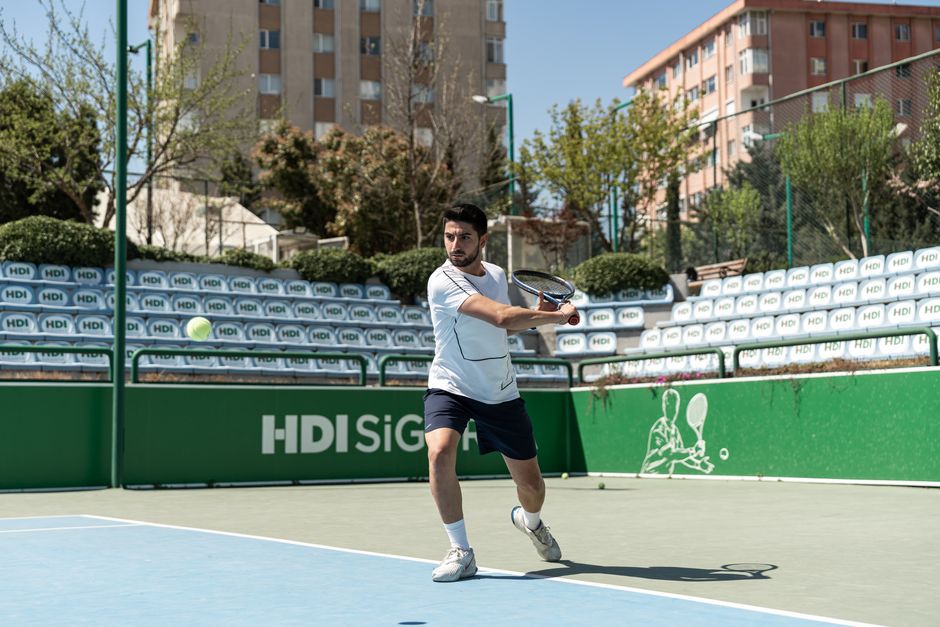
- Eva Lys provides a high-growth investment opportunity for brands compared to established WTA stars.
- Her aggressive baseline style offers distinct visual appeal for broadcast media.
- Sponsoring rising talent requires accepting performance volatility and non-linear ranking growth.
- Mid-ranked players often yield higher engagement ROI per dollar than global icons.
How does athlete endorsement value impact brand equity?
Eva Lys offers a specific value proposition compared to top-tier stars: high-upside potential at a fraction of the sponsorship cost. While established names like Iga Świątek command millions in endorsements, Lys represents a mid-market investment for brands looking to build equity as she climbs the rankings. Her game relies on aggressive baselining and tactical precision, which translates well to televised matches. But betting on an ascending talent carries inherent risks. A player’s development is rarely linear. Investors and brands often find that mid-ranked players offer better engagement rates per dollar spent than the global icons. So, if your goal is brand association with growth rather than legacy, Lys is a viable alternative to the household names currently dominating the tour.
Is mid-market tennis player ROI better than global icons?
Top-tier players often rely on extreme power or defensive endurance to dominate the WTA. Lys, by contrast, operates on a tactical, high-IQ model. She forces errors through precise placement rather than sheer velocity. This style is often more sustainable for a player of her current physical build. It also creates a distinct visual identity that sponsors can use in marketing materials. Where a power hitter might be associated with brute force, Lys is associated with strategy. That distinction matters for brands seeking to align with themes of intelligence or precision rather than raw dominance.
What is the core sports marketing strategy for rising stars?
Sponsorships for players in the top 50 are expensive, often requiring seven-figure commitments. For companies with smaller marketing budgets, those deals are prohibitive. Eva Lys occupies a space where the entry price is significantly lower, yet the potential for visibility is high. According to sports marketing benchmarks, sponsoring a player ranked between 50 and 100 can cost 60% less than a top-20 athlete. This allows for a more flexible contract structure. You might get more creative control over content production when working with a player who is still building their commercial portfolio.
What are the financial risks of sponsoring rising tennis talent?
Investing in any athlete comes with the risk of injury or stagnation. When you sponsor a veteran, you are paying for a proven floor of performance. When you sponsor a rising talent like Lys, you are paying for a potential ceiling. The downside is clear: performance can plateau. If a player fails to crack the top 30, the media exposure diminishes rapidly. Investors must be prepared for a longer horizon. It is a classic high-risk, high-reward scenario that requires patience and clear exit clauses in any commercial agreement.
How do performance metrics for rising stars compare to established icons?
Comparing ranking points shows the gap between the elite and the challengers. In mid-2026, the point difference between a top-10 player and someone in the top 70 can exceed 4,000 points. This gap reflects the consistency required to win deep into Grand Slams. Lys is currently in the stage of her career where she must convert high-level talent into consistent deep runs. She is not yet a household name, but her trajectory indicates a steady climb. For a brand, the goal is to enter the partnership before that breakthrough occurs.
Why sponsors choose challengers over icons
Global icons are often locked into long-term deals with massive sportswear conglomerates. They leave little room for smaller, niche brands to make an impact. By choosing an alternative like Lys, brands secure a 'first-mover' advantage. You become part of the narrative during the climb. When she wins, the brand shares in the victory. This creates an authentic association that is nearly impossible to purchase with a top-10 player. It is a strategy of building a legacy together rather than renting one.
Frequently asked questions
Brands measure tennis sponsorship ROI by tracking engagement rates, social media sentiment, brand recall, and conversion metrics specifically tied to the athlete's audience demographics rather than just raw viewership numbers.
Rising WTA stars often offer a more authentic connection with niche audiences, lower entry costs, and higher engagement-to-cost ratios compared to global icons who carry high price tags and saturated endorsement portfolios.
The primary risks include inconsistent performance, potential for injury, and the unpredictability of a player's career trajectory, which can impact the long-term visibility and marketing utility of the partnership.