F-16 vs F-35 Cost Analysis: Procurement and Maintenance Trade-offs
- The F-16 offers lower operational costs than fifth-generation stealth jets.
- Stealth technology is the primary differentiator between the F-16 and the F-35.
- European alternatives like the Rafale offer different performance profiles.
- Total cost of ownership often outweighs initial purchase price for military fleets.
Why is F-16 maintenance affordability a key factor?
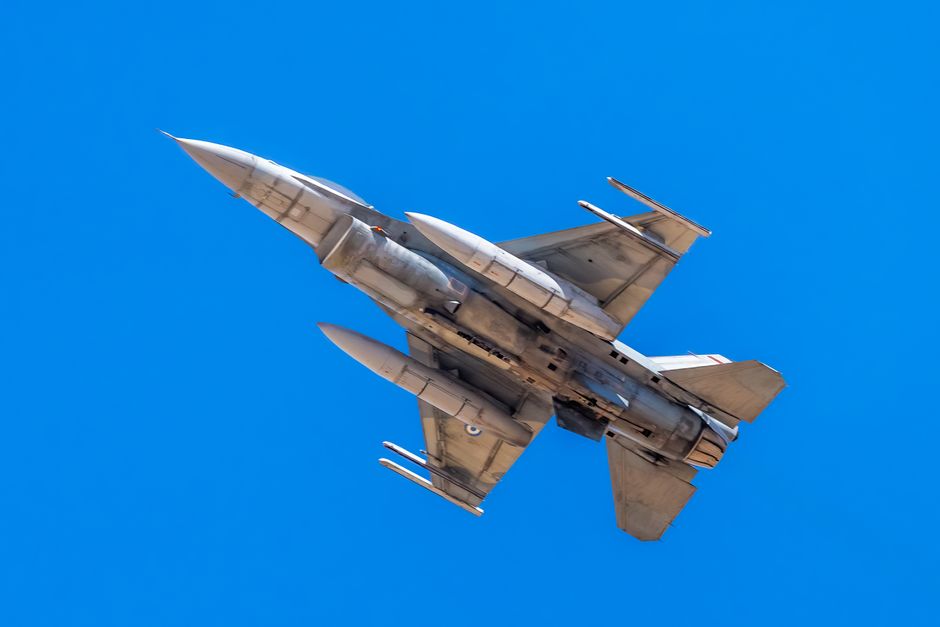
The F-16 Fighting Falcon remains a global staple because it costs significantly less to operate per flight hour than fifth-generation alternatives like the F-35. While newer jets offer stealth and advanced sensors, the F-16 provides a proven, cost-effective balance for air forces that do not require top-tier stealth capabilities. It currently serves as the backbone for over 25 air forces worldwide. Choosing between these platforms comes down to a simple trade-off: do you pay for the absolute edge in combat technology, or do you prioritize fleet size and maintenance affordability? For many nations, the F-16’s operational maturity makes it the smarter financial choice.
How do fourth vs fifth generation fighters compare financially?
The F-35 is a fifth-generation fighter that relies on stealth to survive in contested airspace. By contrast, the F-16 is a fourth-generation aircraft designed for high-maneuverability and multi-role versatility. The F-35 brings advanced sensor fusion, which allows a pilot to see more of the battlefield than ever before. But this tech comes with a steep price tag and complex maintenance requirements. According to industry reports, the cost per flight hour for an F-35 can be double that of an F-16. If your mission profile does not strictly require deep-penetration stealth, the F-16 saves millions in annual upkeep.
What is the impact on long-term military procurement strategy?
For nations looking outside the U.S. market, the Dassault Rafale and the Saab Gripen are the primary contenders. The Rafale is a twin-engine jet known for its agility and ability to carry heavy payloads over long distances. The Gripen, however, is built for efficiency and ease of deployment from austere bases. Both aircraft compete directly with the F-16 in export markets. While the F-16 benefits from a massive global supply chain and long-term parts availability, these European options often offer more flexible technology transfer agreements. You should review current export contracts to see which platform fits your specific diplomatic and infrastructure needs.
What are the hidden costs of fighter jet maintenance?
The sticker price of a fighter jet is only the start of the spending. You must account for the training of ground crews, the cost of specialized tools, and the price of routine avionics upgrades. The F-16 has one of the most mature maintenance networks in the world. Because it has been in service for decades, spare parts are easier to source than for newer, proprietary platforms. If you choose a newer jet, you may find yourself locked into a long-term service contract with the manufacturer. This creates a dependency that can restrict your budget flexibility for years to come.
Which jet fits your strategic needs?
Deciding on a platform requires an honest assessment of your threat environment. If you anticipate facing advanced air defense systems, the stealth capabilities of a fifth-generation jet are non-negotiable. But if your goal is air policing, maritime patrol, or regional deterrence, the F-16 is often more than capable. It provides a reliable, well-understood platform that can be upgraded with modern radar and weapon systems. Many nations find that having a larger fleet of F-16s provides more utility than a tiny fleet of more expensive, stealth-focused aircraft. It is a classic case of quantity having a quality all its own.
Frequently asked questions
Yes, the F-35 has a significantly higher cost-per-flight-hour compared to the F-16. This is due to its advanced stealth technology, complex sensor fusion suites, and specialized maintenance requirements that require more intensive labor and infrastructure.
Many air forces continue to procure F-16s because they provide a cost-effective, battle-proven platform for missions that do not necessitate the advanced stealth and high-end electronic warfare capabilities of fifth-generation aircraft.
Life-cycle costs for fifth-generation fighters are higher due to the need for continuous software sustainment, specialized radar-absorbent coating maintenance, and the requirement for highly trained personnel to manage advanced diagnostic systems.