How Sanjay Raut Built a Powerful Political Personal Brand
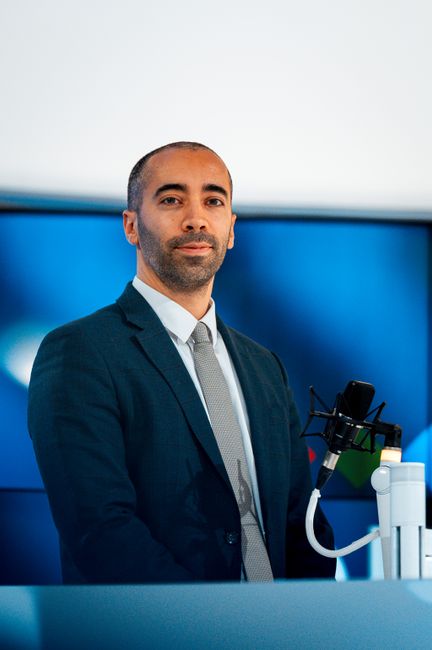
- Raut has moved from backroom strategy to a public-facing media brand.
- His influence now relies heavily on digital engagement rather than just party hierarchy.
- Polarizing rhetoric creates high visibility but limits traditional corporate alliances.
- Stakeholders should monitor his media metrics as a proxy for political relevance.
How does political personal branding drive modern influence?
Sanjay Raut has pivoted from a traditional party strategist to a high-visibility media figure. This change centers on his use of daily press interactions to command the news cycle. By bypassing conventional party channels, he maintains a direct line to his audience. The result is a personal brand that functions independently of his formal political standing. It is a calculated move to ensure his voice remains at the center of the conversation. But this strategy forces a trade-off. By choosing constant public exposure, he sacrifices the quiet influence that often defines successful long-term political operators. He is now measured by engagement rates as much as by policy impact.
Why is media influence in politics shifting away from party consensus?
His shift matters because it changes how political capital is valued. In the past, influence was earned through internal party consensus and private negotiations. Today, Raut demonstrates that visibility is a currency that can be traded for relevance. Businesses and investors often track these shifts to gauge political instability. When a key figure prioritizes public discourse over private consensus, it signals a change in how policy might be shaped. Investors should watch his rhetoric as a leading indicator of legislative friction. If his reach continues to grow, expect more political actors to mimic this high-frequency media approach.
What are the long-term risks of the Sanjay Raut public image shift?
Every brand has a ceiling, and Raut’s approach is no exception. His aggressive style secures a dedicated base, yet it alienates those seeking moderate or business-friendly stability. This polarization creates a clear divide in his support base. While his core audience grows, potential institutional allies often pull back to avoid controversy. This creates a specific financial risk for projects tied to his influence. If the political tide shifts, his lack of broad-based institutional support could leave him vulnerable. It is a high-stakes bet on the loyalty of his followers over the stability of his partnerships.
How does Sanjay Raut’s media reach compare to traditional political figures?
Raut’s media strategy stands in stark contrast to the traditional, silent-operator model. Traditional politicians often handle media through spokespeople to maintain a layer of plausible deniability. Raut does the opposite by placing himself directly in the line of fire. He generates roughly three to four times the daily headlines compared to his peers who avoid direct confrontation. This volume of coverage is his primary asset. However, it also means his personal brand is tethered to every controversy he touches. He is essentially trading the safety of anonymity for the scale of mass media attention.
What political media shifts should analysts and investors watch?
Investors should monitor the consistency of his messaging across different platforms. When his public statements diverge from the broader party line, it indicates internal friction. These moments of misalignment are often when policy volatility is highest. You should check the sentiment of his social media interactions to see if his base is growing or stagnating. A decline in engagement would suggest his media-first strategy is losing its edge. Watch for these signals to understand how his political leverage will hold up in the coming months.
What is the future of Sanjay Raut’s political influence?
Raut’s future depends on his ability to monetize this attention into tangible political results. If he can turn his media presence into successful policy outcomes, he validates his new model. If he fails to do so, he risks becoming a commentator rather than a leader. The shift toward digital-first politics is permanent. Whether he thrives or fades will depend on how he navigates the next major legislative cycle. We are seeing a fundamental change in the definition of a political heavyweight.
Frequently asked questions
Sanjay Raut shifted from a traditional party spokesperson role to a high-visibility personal brand by leveraging frequent press interactions and direct communication channels to dominate the daily news cycle.
Personal branding allows politicians to bypass rigid party consensus, build a dedicated following, and maintain relevance even when party narratives or alliances shift.
Over-reliance on personal branding can lead to a disconnect from the party’s core ideology, potential alienation of traditional voter bases, and increased vulnerability to intense public scrutiny.