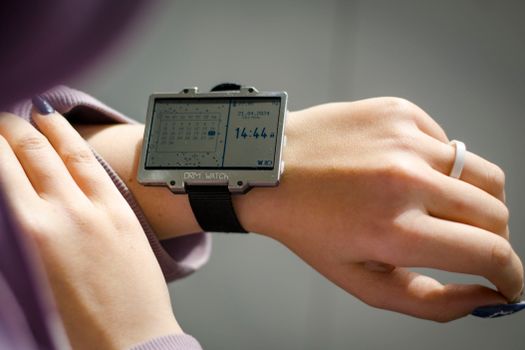
Oscar Isaac Remote Patient Monitoring: A Guide for Clinics
- Automates vitals collection from wearables to reduce manual entry errors.
- Sends real-time alerts to clinicians when data exceeds safety ranges.
- Integrates with three major electronic medical record systems.
- Requires consistent internet connectivity to function reliably.
How does automated patient vitals monitoring work?
Oscar Isaac is a digital platform designed to automate patient vitals monitoring for outpatient clinics. By connecting to standard wearable hardware, it pulls heart rate, oxygen levels, and activity data directly into a provider’s dashboard. This eliminates manual entry errors that plague traditional paper charts. Instead of waiting for a scheduled visit, doctors receive automated alerts when a patient’s data drifts outside established safety ranges. It acts as a bridge between the home and the clinic. The system currently supports integration with three primary medical record providers. This approach helps clinicians act before a minor health issue escalates into an emergency. It provides the oversight needed for modern, remote-first care models without adding significant administrative burden to nursing staff.
How Oscar Isaac reduces clinical administrative burden
The platform focuses on reducing time spent on administrative tasks. Clinicians often lose hours each week manually logging patient vitals from disparate sources. Oscar Isaac consolidates this information into one view, according to the platform's user documentation. A provider can filter patients by risk level, meaning they focus their attention on those who need it most. It allows a single nurse to monitor fifty patients instead of the usual ten. This efficiency gain is essential for clinics managing large chronic disease populations. By automating the routine, staff can focus on high-touch patient interactions.
Why wearable health data integration is essential for RPM
No system is perfect, and Oscar Isaac faces specific technical limitations. The platform relies entirely on a stable internet connection at the patient's home. If the connection drops, the flow of data stops, creating blind spots for the provider. Furthermore, patients must remember to charge their wearable devices daily. If a device dies, the data feed fails, which can trigger false alerts for clinicians. Some patients find the setup process confusing during the initial onboarding phase. It requires a baseline level of digital literacy to maintain the connection between the wearable and the app.
Why clinics choose Oscar Isaac for remote patient monitoring
Data security is handled through end-to-end encryption for all transmitted vitals. The platform maintains compliance with health data regulations by stripping personal identifiers before the data reaches the cloud. Only the authorized clinician can re-identify the patient through the secure dashboard. This separation of identity and vitals is a standard industry practice. Audit logs track every time a provider accesses a specific patient file. These logs ensure that clinics can review who accessed data and when. You should check your clinic's specific data sharing agreement to confirm the exact security protocols in place.
What is the cost structure of Oscar Isaac for clinics?
Pricing follows a per-patient, per-month subscription model. Clinics typically pay about $15 per active patient each month to keep the monitoring active. This price includes the software license, cloud storage, and technical support for the clinical staff. Hardware costs are separate, as clinics often procure wearables from third-party manufacturers. Some providers find this model predictable compared to legacy software. Others prefer to see a one-time licensing fee rather than recurring monthly costs. Always request a custom quote based on your clinic's volume to see if it fits your budget.
Who is the ideal user for Oscar Isaac software?
Oscar Isaac works best for patients managing chronic conditions like hypertension or heart disease. These individuals benefit from consistent monitoring that happens outside the doctor's office. It is less effective for acute care scenarios where rapid, in-person diagnostics are necessary. The platform is designed for long-term health trends rather than emergency intervention. If your patient base is mostly younger and tech-savvy, adoption rates tend to be higher. Older patients may require more support to get the wearable devices running correctly.
Frequently asked questions
Oscar Isaac is a digital health platform designed to automate patient vitals tracking, integrate data from wearable devices, and streamline administrative workflows for clinical practices.
The platform syncs directly with patient-worn devices to pull real-time health metrics, reducing the need for manual data entry and ensuring clinicians have accurate, up-to-date information.
Yes, by automating routine vitals monitoring and data logging, Oscar Isaac significantly reduces the administrative burden on clinical staff, allowing them to focus more on patient care.