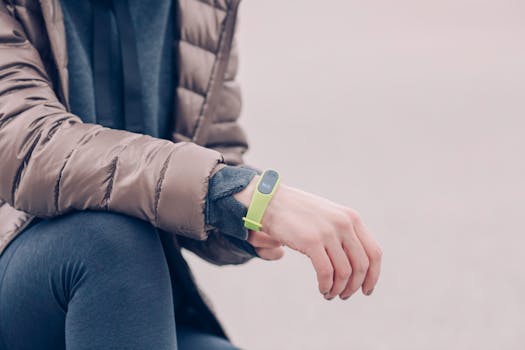
Marathon Health Tracker: How It Monitors Recovery and Performance
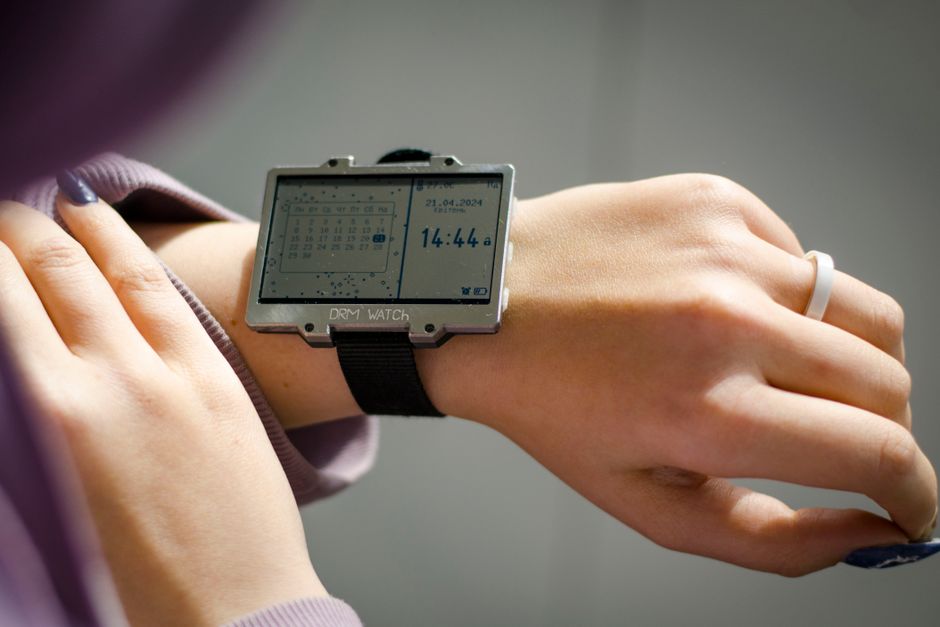
- Marathon captures heart rate and oxygen data via optical wrist sensors.
- The system transforms raw physiological numbers into actionable recovery scores.
- Hardware costs $299 with a $15 monthly subscription for data insights.
- Consistent wear is required for accurate long-term health trends.
How does a health tracker work?
Marathon is a wearable health monitoring system that captures physiological data to help users optimize physical performance. It tracks heart rate, blood oxygen, and movement patterns through a wrist-worn sensor. By syncing this information to a mobile app, it offers a real-time view of your body's recovery and training load. You wear the device during exercise to gather the raw metrics. Then, the platform analyzes the data to suggest when you should push harder or rest. It makes complex physiological markers easy to visualize for anyone interested in their personal health. Understanding your baseline is the first step toward better fitness outcomes.
How to use data for fitness performance optimization
The device uses optical sensors to detect blood flow changes directly under the skin. It measures pulse and oxygen saturation throughout the day. These readings occur every few seconds while the watch remains in firm contact with your wrist. If the band is too loose, the sensors struggle to maintain a steady signal. This creates gaps in your health records. So, finding the right fit is essential for consistent data collection.
Why you should track real-time recovery metrics
Once the sensor collects the raw numbers, the app converts them into actionable insights. It uses algorithms to calculate your readiness score based on heart rate variability. You can see your progress through daily, weekly, and monthly charts. But the system does not diagnose medical conditions. It provides information to help you make informed decisions about your own routine.
Why is monitoring training load important?
You must keep the device charged daily to ensure consistent tracking. Some users find the constant notifications distracting during deep focus or work hours. Also, the reliance on an app means you cannot access advanced analysis without a stable internet connection. It is a system that demands your attention to function properly.
How much does the system cost?
As of September 2026, the hardware retails for $299. In addition to the device, the premium data analysis subscription costs $15 per month. You get the basic tracking for free, but the deeper analytics require the paid tier. This pricing structure is similar to other fitness wearables on the market today.
Is this technology right for you?
It provides clear value if you want granular data on your exercise habits. But if you prefer a low-tech approach, the manual effort of tracking your own results might be simpler. You should weigh the cost against how much you actually use the data provided.
Frequently asked questions
Marathon uses advanced optical sensors on the wrist to measure blood flow and blood oxygen saturation (SpO2), providing continuous, real-time data for recovery analysis.
Yes, by monitoring your real-time training load and recovery metrics, Marathon helps you identify when your body is fully recovered and when you should prioritize rest to avoid injury.
Yes, the Marathon tracker is engineered for high-intensity training and is fully waterproof, making it suitable for swimming, heavy sweating, and outdoor activities in all weather.