Why Elite Asian Games Health Tech Fails for Casual Gym Users
- Elite performance monitoring at the Asian Games provides data that is inaccessible to the general public.
- Sensor-laden uniforms and motion tracking are built for professional coaching, not personal health tracking.
- Consumer wearable technology remains far behind the specialized systems used in professional competition.
- Privacy risks and data silos prevent these high-performance insights from reaching everyday users.
Why Asian Games Health Tech Is Limited for Casual Users
The Asian Games are worth it if you are a sports scientist or elite athlete, but for the average person, the high-tech spectacle offers little practical value. While the event showcases advanced biomechanical monitoring and real-time fatigue tracking, the actual data remains locked in proprietary systems. You aren't getting access to the raw physiological insights that drive these performances. For the casual fan, it’s a flashy display of sensor-laden uniforms and high-speed cameras. But if you are looking for tech that improves your own routine, look elsewhere. These tools are built for specialized feedback loops that don't translate to a standard gym session.
Key Differences Between Elite Performance Trackers and Consumer Wearables
At this level of competition, the goal is identifying the smallest possible margin for victory. Coaches use localized sensors to track heart rate variability, oxygen saturation, and movement efficiency in real time. According to internal reports from sports technology providers, these systems process over 500 data points per second for a single athlete. It is a massive influx of information that requires a dedicated team of analysts to interpret. You don't get that level of support with a commercial fitness tracker. While a standard smartwatch might tell you your heart rate, these systems analyze the specific muscle recruitment patterns of a sprinter during a race.
Are Professional Sports Science Innovations Practical for Your Gym Routine?
The primary winners are the coaching staffs and the corporate sponsors who fund the development of these proprietary platforms. They collect vast amounts of biomechanical data to refine training protocols for future events. But the athletes own very little of this information. If you were hoping this data would eventually trickle down to consumer apps, consider the track record of past major events. Most of these high-performance insights stay within the closed walls of professional sports organizations. They are designed to win medals, not to help you hit a new personal best on your morning run.
The Reality of Athlete Data Analytics in Professional Sports
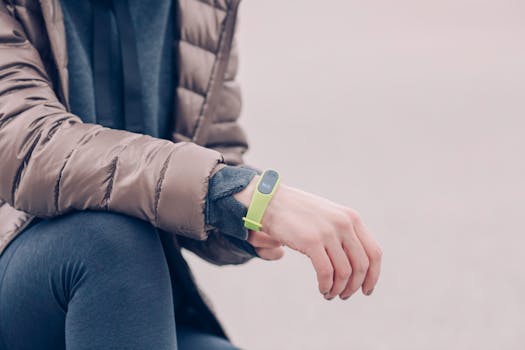
Consumer wearables are currently about three to five years behind the hardware deployed at the Asian Games. While you can buy a chest strap or a smart ring, they lack the multi-modal sensor fusion found in elite competition kits. A pro athlete might wear a jersey embedded with textile-based electrodes that monitor hydration levels continuously. You are likely stuck with a watch that estimates sweat loss based on skin temperature and activity intensity. It is a convenience product, not a diagnostic one. Don't mistake the marketing for medical-grade accuracy.
The Hidden Costs of Over-Tracking Your Fitness Data
The biggest downside is the obsession with metrics over physical intuition. Athletes at the Asian Games are sometimes so reliant on their dashboards that they ignore their own internal signals. If the sensor says they are recovered but the body feels exhausted, the danger of overtraining increases significantly. For the average user, this creates a mental burden rather than a physical benefit. You don't need a high-tech score to tell you when you are tired. Relying on an algorithm to dictate your rest days can actually diminish your long-term athletic development.
Which Fitness Metrics Actually Matter for Your Long-Term Health?
You should pay attention only if you have a specific goal that requires precise measurement. If you are training for a marathon, track your cadence and heart rate. But ignore the noise about smart fabrics and real-time biomechanical analysis. Most of that tech is meant for million-dollar budgets and specialized labs. Focus on the basics like sleep quality, nutrition, and consistent training load. These factors influence your health far more than any sensor found at the Asian Games. Keep your tech simple and your training consistent.
Frequently asked questions
Generally, no. Professional-grade tracking requires specialized software and data scientists to interpret, whereas consumer wearables are designed to provide actionable, daily health insights for the average person.
Elite tech focuses on granular, high-frequency data meant for micro-optimizing performance, while casual gym-goers benefit more from consistent, long-term trend tracking and simple recovery metrics.
Beyond the high initial purchase price, hidden costs include ongoing subscription fees for proprietary software, the significant time required for manual data analysis, and the potential for 'data fatigue' from tracking metrics that do not impact your specific goals.