How BYD’s Vertical Integration Strategy Dominates the EV Market
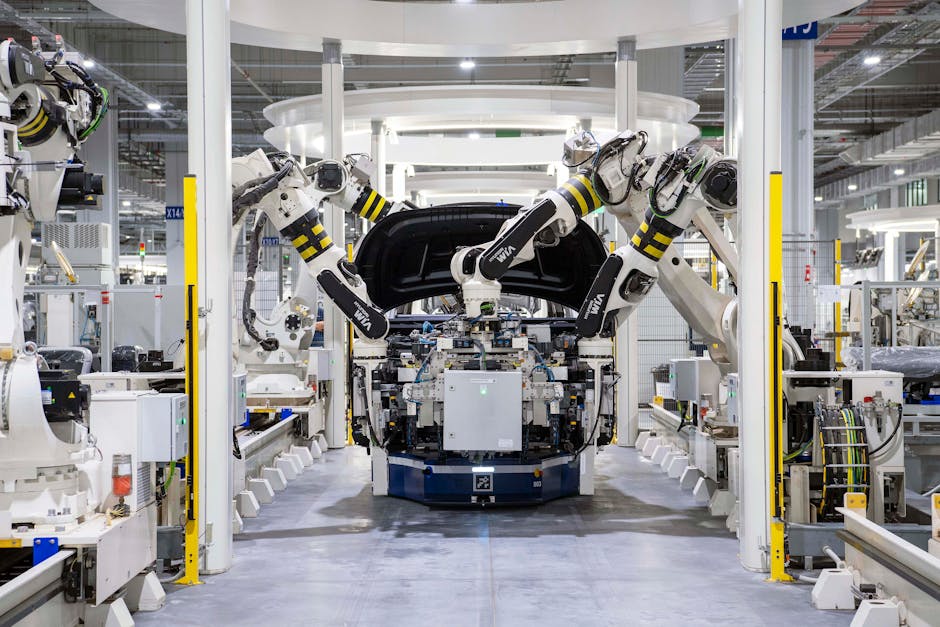
- Vertical integration allows BYD to control its own supply chain.
- Battery production serves as a primary profit engine for the company.
- Capital intensity is a major trade-off for their self-reliant model.
- Local government partnerships often precede passenger vehicle launches.
How Does BYD’s Vertical Integration Model Work?
BYD is a conglomerate that dominates the electric vehicle space through vertical integration. It produces its own batteries, semiconductors, and vehicle components in-house. This strategy allows the company to control costs better than rivals who rely on external suppliers. If you want to understand their success, look at their battery division. They supply energy storage for various industries, not just their own cars. By owning the supply chain, they insulate themselves from many market shocks. This approach keeps their margins stable even when commodity prices fluctuate. It is a blueprint for efficiency in high-volume manufacturing.
Why Is BYD’s Supply Chain Strategy So Effective?
BYD started as a battery manufacturer. They still produce batteries for consumer electronics and energy storage grids. This history gives them a distinct edge in vehicle electrification. Producing their own lithium-iron-phosphate batteries significantly lowers the cost of their cars. Check their reports for the 'Battery and Components' revenue segment to see how much this contributes to their total income. It is a massive profit center. Because they manufacture the batteries themselves, they avoid the price markups paid by competitors. This gives them the flexibility to lower car prices during intense market competition.
How Does BYD Battery Production Drive EV Success?
They build cars using a cell-to-body approach. This integrates the battery directly into the vehicle's structural frame. It saves weight and increases range. The process requires fewer parts than traditional assembly. But, this high level of integration makes repairs difficult. If a battery cell fails, technicians often have to replace large modules rather than fixing individual components. This is a trade-off for the increased efficiency.
What Are the Primary Drivers of BYD Manufacturing Efficiency?
Logistics remain a hurdle for their global ambitions. BYD operates its own fleet of car-carrying ships to manage exports. They move vehicles from Chinese ports to international markets like Europe and Latin America. This helps them avoid the high costs of third-party shipping. Yet, shipping is only one piece of the puzzle. They still face tariffs and local content laws in many target countries. You should watch for how they navigate these regulatory barriers.
What Are the Strategic Risks of BYD’s Vertical Integration?
Reliance on vertical integration has a clear trade-off. It requires massive capital expenditure. They must build factories for chips, batteries, and car bodies simultaneously. This slows down their ability to pivot if consumer preferences change quickly. Competitors who outsource can switch suppliers; BYD is locked into its own infrastructure. You should monitor their capital expenditure ratios to see if they are overextending their balance sheet.
How Does BYD Scale Operations into Global Markets?
They scale by entering markets with electric bus fleets before passenger cars. This introduces their brand to city governments first. It builds credibility and infrastructure. Once the chargers are installed for buses, passenger cars follow more easily. Look for local government partnerships to identify where they will launch next.
Frequently asked questions
Yes, BYD is considered more vertically integrated than Tesla. While Tesla focuses on software and battery tech, BYD manufactures a wider range of components in-house, including semiconductors, chassis, and raw battery materials.
By controlling the entire supply chain—from raw material processing to final vehicle assembly—BYD eliminates third-party supplier markups and protects itself from external market price volatility.
The primary risk is the high capital expenditure required to maintain internal manufacturing capabilities. If technology evolves faster than their internal production lines can adapt, they risk being stuck with obsolete manufacturing assets.