Binance Trading Fees: How to Calculate Your Real Costs
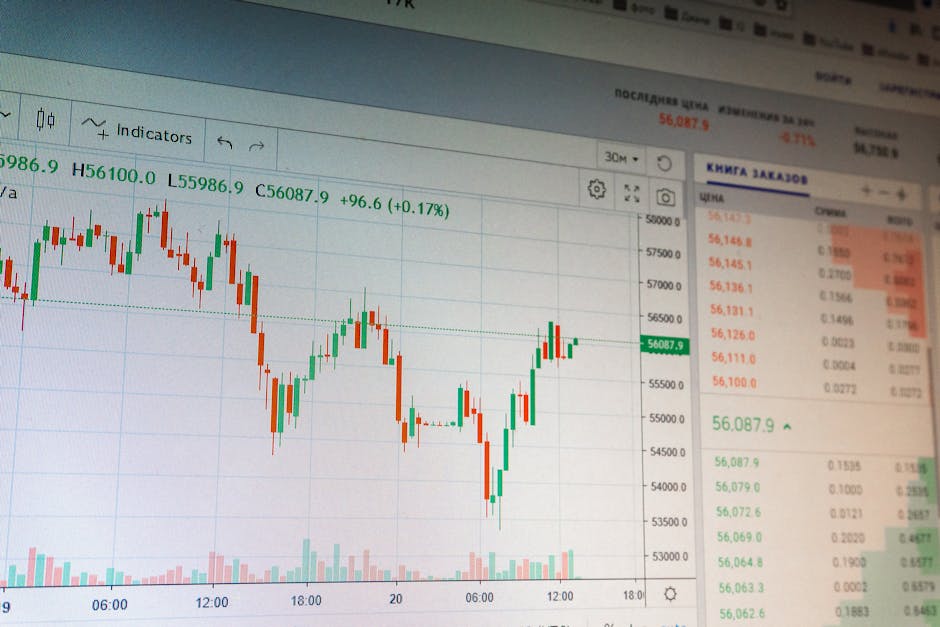
- Trading fees are only the start; liquidity slippage often costs more on smaller coins.
- Withdrawal fees fluctuate based on network demand and are rarely static.
- Tax reporting for high-frequency trading requires paid third-party software.
- Regulatory uncertainty creates an 'opportunity cost' if your account is restricted.
How does the Binance fee structure really work?
Binance charges more than its advertised trading fees. You pay through hidden spreads, variable withdrawal costs, and the potential for locked funds during regulatory shifts. While the exchange offers volume-based discounts starting at 0.1% for standard users, those savings vanish when you account for liquidity slippage on smaller coins. You aren't just paying for a trade; you are paying for a platform that prioritizes its own ecosystem over individual liquidity. If you trade frequently, these friction points add up faster than the official fee schedule suggests. Always calculate your total cost of entry and exit before hitting the buy button.
Why crypto exchange slippage impacts your profits
Binance uses a tiered fee structure based on your 30-day trading volume and BNB balance. Standard users typically pay 0.1% per trade, but this figure shifts if you hold their native token. But that 0.1% is just the entry fee. You must also account for the maker-taker spread, which can eat into your profit margins on low-liquidity assets. Check the official Binance fee schedule page to see your specific tier, as these numbers shift frequently based on market conditions. It pays to check your current account status before assuming you are in the lowest fee bracket.
Are Binance withdrawal fees eating your returns?
Slippage occurs when the price you expect to pay differs from the price you actually receive. On high-volume pairs like BTC/USDT, this is minimal. But for smaller altcoins, a large buy order can push the price up instantly, forcing you to pay more than you planned. You essentially pay a premium for the exchange's own market depth. This cost is rarely shown on your trade summary, yet it directly shrinks your holdings. If you move large amounts, consider using limit orders to avoid the market-order tax.
How to calculate the true cost of trading crypto
Transferring your assets off the exchange is rarely free. Binance sets withdrawal fees based on network conditions, which means costs spike during periods of high demand. If you try to move Ethereum or ERC-20 tokens, you might pay a flat fee that ignores the current market rate for gas. It’s a recurring expense that many traders overlook until they need to move capital. Always verify the withdrawal fee on the final screen before committing to a transfer. It is often cheaper to convert to a low-fee network asset before moving funds.
The risk of account restrictions
Regulatory scrutiny is a constant shadow over global exchanges. Binance has faced numerous challenges in various jurisdictions, leading to temporary freezes or service limitations for specific regions. The cost here is time and access. If your funds are locked during a market dip, you cannot exit your position. This opportunity cost is impossible to quantify in dollars, but it represents the highest risk of using a centralized platform. Diversifying your holdings across different wallets or exchanges is the only way to mitigate this.
Tax tracking complexities
Binance generates thousands of transactions for active users. Exporting this data into a format that tax software understands often requires third-party tools. You will likely pay for a subscription to a service like Koinly or CoinLedger to reconcile your Binance activity. This is an indirect cost of using a high-frequency exchange. Without proper tracking, you risk penalties that far outweigh the initial savings on trading fees. Treat these subscription costs as a mandatory part of your yearly overhead.
Is the platform right for your strategy?
If you are a casual holder, the complexity might not be worth the utility. You pay for a massive array of features, many of which you may never use. But if you are a high-volume trader, the liquidity is hard to beat elsewhere. Weigh the fee savings against the potential for withdrawal friction and tax reporting overhead. No exchange is truly cheap once you factor in the full lifecycle of your assets.
Frequently asked questions
Binance typically charges a standard 0.1% fee per trade. This rate can be reduced by using BNB to pay for fees or by reaching higher VIP tiers based on your 30-day trading volume.
Slippage is the difference between the expected price of a trade and the price at which the trade is actually executed. It occurs when market liquidity is low or volatility is high, preventing orders from filling at the exact requested price.
Yes, withdrawal fees on Binance vary depending on the specific cryptocurrency and the blockchain network selected. These fees are set to cover the network transaction costs required to process the transfer.