Inside the Todd Bowles Defensive Scheme and Blitz Tactics
- Bowles prioritizes aggressive, high-pressure defensive schemes.
- His strategy relies on confusing quarterbacks with varied blitz packages.
- The system demands high discipline and specific player skill sets.
- Risk-taking on defense is the core component of his philosophy.
What is the core coaching philosophy of Todd Bowles?
Todd Bowles is the head coach of the Tampa Bay Buccaneers, known for a defensive style built on aggressive pressure and complex secondary rotations. He operates by forcing quarterbacks into quick decisions, often sending extra rushers from unexpected angles to create turnovers. While many coaches focus on conservative schemes, Bowles believes that constant disruption is the best way to secure a win. His approach requires disciplined players who can handle high-speed adjustments during live action. If a team lacks the right personnel, this system can leave the defense exposed to long passes. Understanding his methods requires looking at how he balances risk and reward on every snap. He treats the defensive line as the engine of his entire team.
How does the Tampa Bay Buccaneers defense generate pressure?
Bowles uses the blitz as a primary tool rather than a secondary option. By sending five or more pass rushers, he forces the offensive line to identify blockers instantly. This creates a numbers advantage for the defense in key areas of the field. According to game data, his teams frequently lead the league in blitz percentage. It shifts the burden of proof to the quarterback. If the quarterback cannot read the defense in under three seconds, the play usually ends in a sack or an incompletion. But this constant pressure is a double-edged sword. When the blitz fails to reach the quarterback, the secondary is often left in man-to-man coverage without safety help.
Why does Bowles prioritize a blitz heavy defense?
Success in a Bowles defense depends on communication. Players must swap assignments mid-play while the quarterback is scanning the field. He emphasizes film study to ensure every player knows their role before the ball is snapped. If one player misses a rotation, the entire structure can collapse. He holds weekly meetings where he reviews specific scenarios from previous games. This creates a culture of accountability that keeps the unit focused on collective success. Most players report that his direct communication style helps them stay calm under pressure. He expects every defender to play with maximum effort on every single down.
How do defensive secondary rotations impact his scheme?
Aggression carries a heavy price. Because Bowles often commits extra men to the quarterback, he leaves his defensive backs isolated on the outside. This makes his team vulnerable to explosive plays if the initial pressure is avoided. Fast wide receivers can exploit these gaps if the pass rush takes even a fraction of a second too long. Statistics show that his defenses occasionally allow high yardage totals in exchange for big, momentum-shifting plays. It is a calculated gamble. He accepts the possibility of giving up a long touchdown to keep the offense from maintaining a steady, rhythm-based drive.
What are the risks of NFL defensive strategies like these?
Modern NFL offenses use RPOs and quick passes to beat the blitz. Bowles counters this by diversifying his front seven and rotating personnel frequently. He will often drop a defensive lineman into coverage while sending a linebacker as a substitute blitzer. This movement forces the quarterback to hesitate. Hesitation is the enemy of any passing attack. By changing the look of his defense just before the snap, he creates confusion for the play-caller. It is a game of chess played at high velocity.
What defines his leadership style?
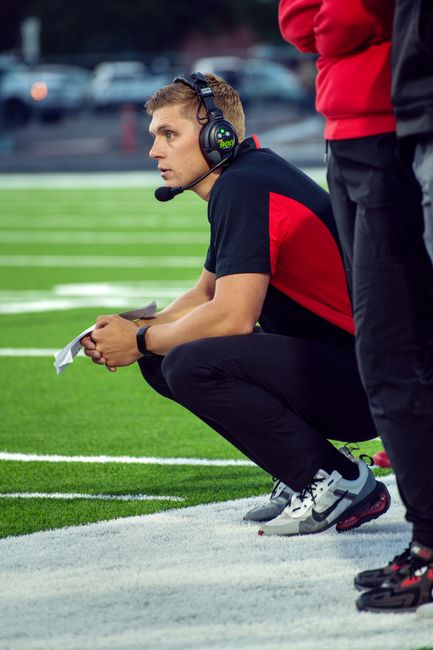
Bowles is known for a calm, stoic demeanor on the sidelines. He avoids emotional outbursts, preferring to focus on adjustments rather than rhetoric. His players describe him as a teacher who values consistency above all else. He avoids the spotlight, letting his defensive rankings speak for his effectiveness. Under his leadership, the Buccaneers have maintained a reputation for being one of the toughest teams to prepare for during the regular season. He treats his coaching staff as partners, delegating tasks while keeping the final decision on high-leverage defensive calls.
Frequently asked questions
Yes, Todd Bowles is well-known for his aggressive, blitz-heavy approach. He frequently sends extra pass rushers from various angles to force quarterbacks into quick, often poor, decisions.
The secondary supports the blitz by utilizing complex rotations and man-coverage assignments. This forces the quarterback to hold the ball longer, allowing the blitzing defenders time to reach the pocket.
The primary risk is leaving defensive backs in one-on-one coverage without safety help. If the blitz fails to reach the quarterback quickly, the secondary becomes vulnerable to deep passes and big plays.