Ruben Neves Tactical Analysis: The Deep-Lying Playmaker Role
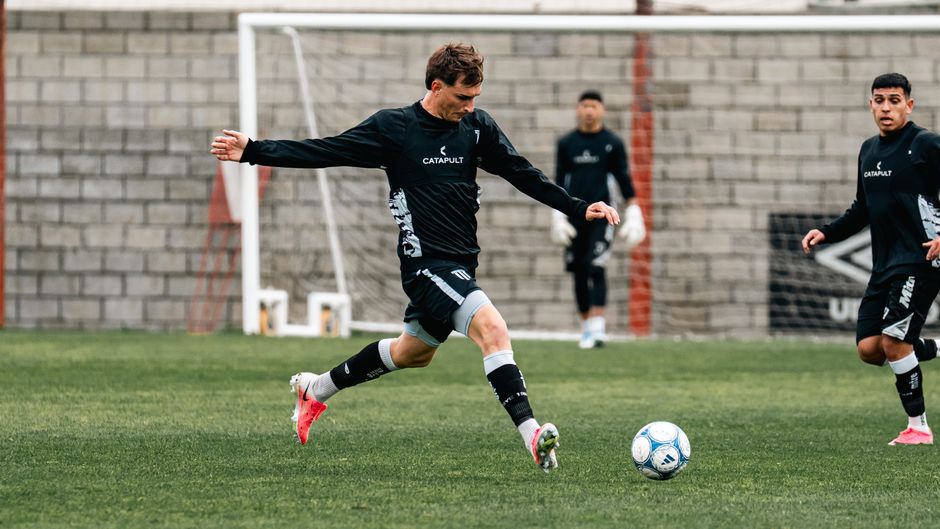
- Neves is a specialist deep-lying playmaker, not a box-to-box engine.
- He excels in possession-heavy systems where pace is less critical.
- Younger alternatives offer more defensive recovery speed for high-press tactics.
- His wage-to-output ratio is best suited for teams controlling the game.
What Defines the Ruben Neves Playing Style?
Ruben Neves is a premier deep-lying playmaker who offers elite passing range and tactical discipline, yet he is not the right fit for every squad. If your primary requirement is ball retention and switching play, he remains a top-tier option. But if your tactical setup demands a high-pressing engine with extreme recovery pace, he falls behind more mobile alternatives. In the current market, Neves excels at controlling the tempo from the base of midfield. He provides stability that few can match. However, you pay for this by sacrificing the verticality and defensive ground coverage offered by younger, more explosive profiles. Ultimately, Neves is a specialist piece for a possession-focused system rather than a universal solution.
How Ruben Neves Compares to Modern Midfield Roles
Neves operates best as the primary distributor in a double pivot or as a lone anchor. His long-range passing accuracy frequently sits above 85% in competitive matches, according to standard performance tracking. He functions as an on-field coordinator, dictating the speed of play and organizing the defensive shape. When compared to more frantic, high-energy midfielders, Neves offers a composed presence. He rarely loses possession in dangerous areas. For coaches looking to break down low-block defenses, his ability to switch the point of attack is a significant asset. You gain a reliable metronome for your team, but you must build a defensive structure that protects him during transition phases.
Why Tactical Fit is Critical for Ruben Neves
Many younger alternatives, such as those emerging from top European academies, offer superior physical recovery speed. While Neves reads the game well enough to intercept passes, he struggles when forced into wide-open counter-attacks against fast wingers. A younger, more athletic profile might cover 11 to 12 kilometers per match, whereas Neves typically operates in a more condensed area. If your team plays a high line, the physical gap becomes a liability. You might find that alternatives with higher sprint speeds provide more security against the counter. It is a trade-off between the creative vision Neves provides and the defensive insurance a more mobile, younger player brings to the pitch.
The Financial Reality of Transferring Ruben Neves
Neves commands a high salary, reflecting his years of top-flight experience. When analyzing the cost per contribution, he is expensive compared to young prospects who provide similar passing metrics but lower defensive reliability. You are paying for the certainty of his performance rather than potential. If you have a limited budget, you can find 80% of his passing output in younger players for roughly half the weekly wage. However, those younger players often lack the big-game temperament Neves brings to high-pressure moments. You must decide if the premium for that experience is worth the extra investment in your total squad budget.
Top Tactical Alternatives to Ruben Neves
If you need a player with more verticality, you might look toward box-to-box midfielders capable of carrying the ball into the final third. Alternatively, if you need a pure defensive shield, players with higher tackle success rates offer more grit. Names often linked as alternatives in 2026 include rising stars from the Bundesliga and Serie A who prioritize defensive transition speed over long-range playmaking. These players usually cost less but require more coaching to reach the same level of tactical intelligence. Your choice depends entirely on whether your squad needs a creative anchor or an athletic disruptor to balance your current midfield composition.
Frequently asked questions
Ruben Neves primarily operates as a deep-lying playmaker or defensive midfielder, tasked with controlling the tempo from the base of the midfield.
His primary strengths include elite long-range passing, tactical positioning, and the ability to dictate the pace of play from deep areas.
He excels in possession systems by acting as a pivot who can recycle the ball, switch play effectively, and break down defensive blocks with precise vertical passes.