Ukraine and Russia report emergency app hacks
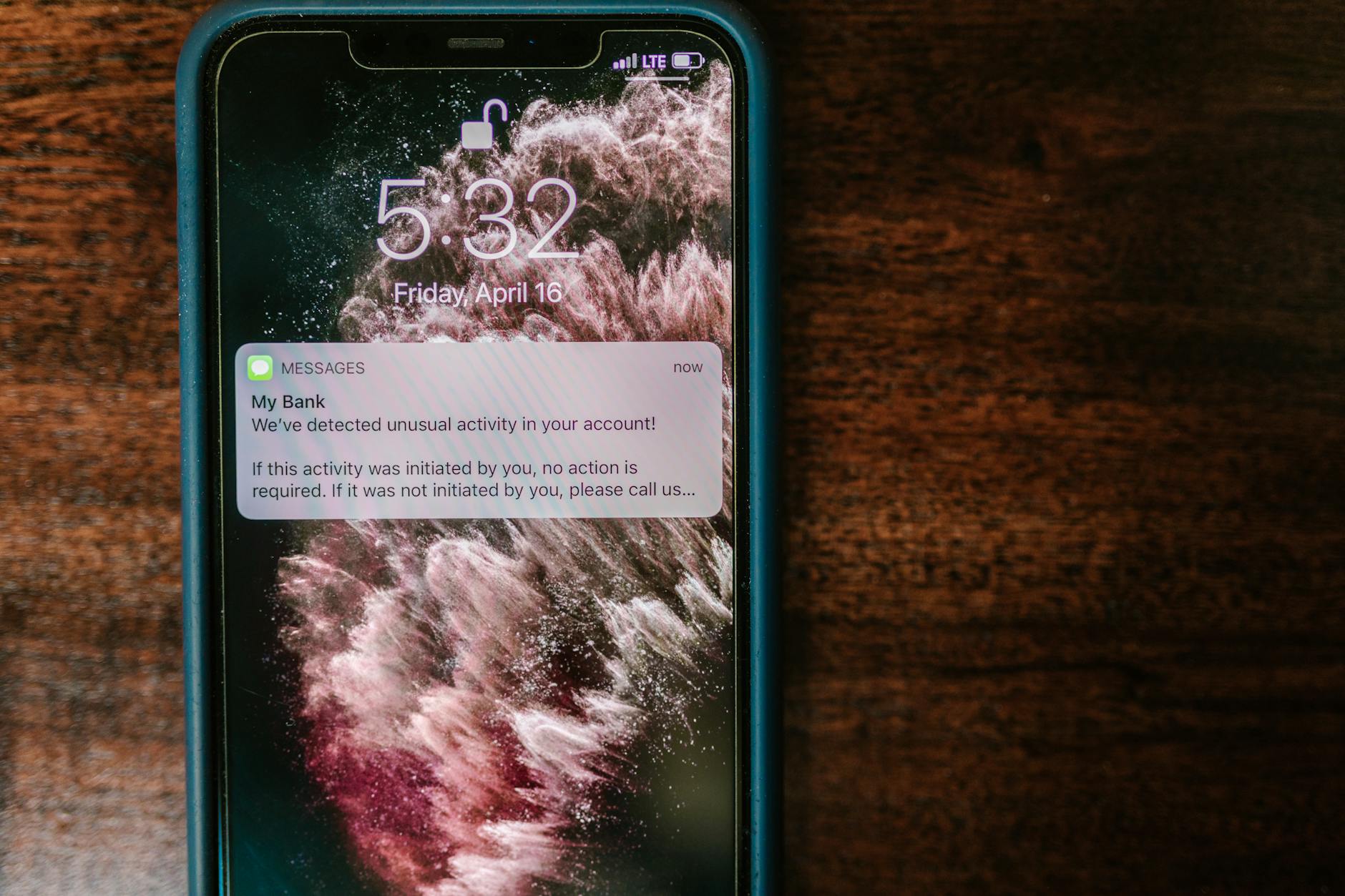
- Emergency alert apps in Ukraine and Russia were targeted by cyberattacks on Sunday night.
- False alerts in Ukraine warned of radiation, chemical threats, and the use of Oreshnik missiles.
- Russian app users received fake warnings about Ukrainian drones carrying nuclear warheads.
- Both nations confirmed the alerts were false and stated no radiation threat exists.
- The attacks coincided with the end of a humanitarian ceasefire in the Kherson region.
The simultaneous compromise of these warning systems resulted in the distribution of false information to the public.
Ukraine's air force confirmed that its air raid alert app was compromised late Sunday.
Twenty-three news outlets reported on the breach of these national warning systems. The integrity of these digital platforms is vital for public safety, as they are designed to provide urgent warnings during ongoing hostilities.
False nuclear and chemical alerts issued in Ukraine
Ukraine's Air Alert app issued nation-wide red-level air raid warnings shortly before 23:00 local time on Sunday.
The fabricated alerts began at 22:47 with a radiation threat warning for Kyiv. At 22:48, a notification in Russian was sent via the app referencing "Oreshnik", Russia's intermediate-range ballistic missile, and claiming a nuclear alert.
A further warning of a chemical attack and street fighting in Kyiv appeared at 22:49. These messages were written in English with grammatical errors, alongside a mix of Russian and Ukrainian text.
Russian app users receive fake drone and nuclear warnings
The false messages urged residents to seek shelter and stockpile food for three weeks.
These alerts were attributed to a hack on the Russian application, according to the Ukrainian outlet UNN which cited the partisan group Atesh. By 23:53, users of the Ukrainian app received all-clear messages for the various threats that had been reported.
Officials confirm no radiation threat and restore services
Russia’s Emergencies Ministry stated its emergency warning app suffered a massive cyberattack that spread misinformation. The ministry confirmed that its wider public warning infrastructure, including sirens, loudspeakers, text messages, television, and radio, remained unaffected by the breach and continued to operate normally.
In Ukraine, the Air Force announced on Telegram that its air-alert app appeared to have been influenced by an enemy. The Ministry of Digital Transformation, which supports the application, temporarily disabled the system for maintenance following the compromise.
The operators noted that the application does not store personal data.
Both Ukrainian and Russian officials stated there is no radiation threat and advised the public to stay calm and follow official updates. Ukraine’s Air Force reiterated that there was no radiation threat and urged citizens to remain calm.
Operators of the Ukrainian app began gradually restoring service, including push notifications regarding drone and missile threats, following the incident.
Partisan groups and state agencies trade blame for hacks
The Ukrainian outlet UNN reported that the hack was linked to Atesh, which shared a screenshot on Telegram claiming that nuclear warheads were involved.
A Russian Telegram channel, Mash, claimed that the hacking group Hitcore took responsibility for the attack after speaking with its representatives.
Ukraine’s Centre for Strategic Communications, SPRAVDI, used X to blame Russia for the attack on its own app. Kyiv officials confirmed that a separate application for the capital was working correctly.
Rosstat denied that any data was leaked during this incident.
Public reaction and expert analysis of the breach
A Ukrainian intelligence body reported an app failure and advised citizens to use alternative information sources.
Natalya Zabolotna, the head of the Vinnytsia region, confirmed the cyberattack and warned citizens against clicking links in the messages to avoid potential phishing.
Oleksander Merezhko, chair of the Ukrainian parliament's foreign affairs committee, said the attack caused no panic because Ukrainians are accustomed to frequent alerts and immediately suspected the Russian-language message. Herbert Lin, a senior research scholar at Stanford University, told the BBC World Service that while this was likely the first time an official Ukrainian information app was targeted this way, it probably would not be the last.
Kherson region ceasefire ends as attacks occur
A six-day localised ceasefire in Olenivka and surrounding areas of the Russian-occupied region concluded at midnight local time on Sunday.
The fake alerts in Russia occurred minutes before this ceasefire ended.
Broader conflict developments amid ongoing hostilities
The Russian Defense Ministry claimed its forces intercepted 235 Ukrainian drones overnight.
Zelenskiy stated that Ukraine struck the Kaminsky plant in Russia's Rostov region, an action on which Moscow provided no comment.
DW noted that Russia's share of European gas supply has fallen to approximately 11% from 45% prior to the full-scale invasion in February 2022.
Frequently Asked Questions
- Ukraine, Russia report emergency app cyberattacks as fake alerts warn of nuclear danger (nbcnews.com)
- Ukraine, Russia report hacking attacks on emergency apps (dw.com)
- Ukraine and Russia hit by emergency alert app hacks spreading false nuclear warnings – Resilience Media (resiliencemedia.co)
- Hackers Send Fake Nuclear Threat Alerts to Ukrainian and Russian Citizens (securityaffairs.com)
- Ukraine and Russia both report cyberattacks on emergency apps - ABC News (abcnews.com)
- Ukraine Air Raid App Hack Sends False Nuclear And Chemical Warnings After Russia Cyberattack: who 23 outlets blamed | NewsCord (newscord.org)
Add NewsPulse Time as a preferred source on Google