Supreme Court rejects DOJ attempt to discard 20,000 midterm votes
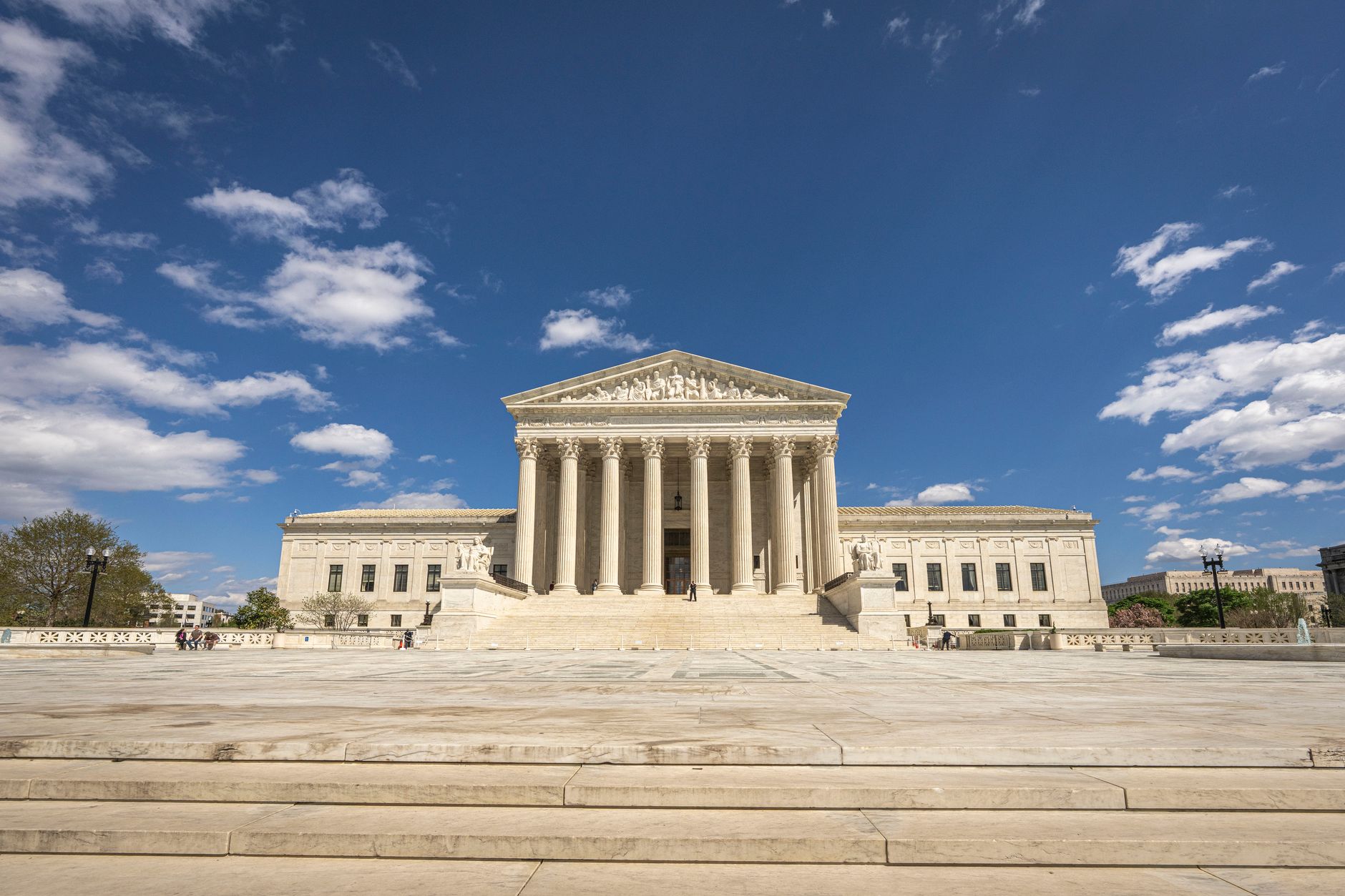
- The Supreme Court rejected the Trump administration's emergency request to intervene in California's midterm vote count.
- The Justice Department sought to set aside 20,000 ballots, alleging they were issued to non-US citizens.
- California officials argued the federal data was unreliable and that noncitizen voting is already illegal.
- Lower courts had previously denied the request, citing potential disenfranchisement of legal voters.
- The Supreme Court issued the denial without explanation or noted dissents on the eve of the election.
The court issued a one-sentence order stating: "The application for injunction pending appeal presented to Justice Kagan and by her referred to the Court is denied".
This decision, issued without explanation or noted dissents, ensures that previous rulings by lower courts will stand. The ruling effectively ends the administration's attempt to disqualify thousands of disputed mail-in ballots.
The administration had appealed to the court on Monday in a final effort to sideline these ballots before the midterm elections. This legal outcome allows the counting of votes in California to proceed as planned.
Justice Department seeks to exclude 20,000 mail-in ballots
The Justice Department sought a limited injunction to exclude 20,000 mail-in ballots, alleging that the individuals who cast them may not be United States citizens. The appeal was filed on Monday, one day before the midterm elections.
He claimed that the United States suffers a "judicially cognizable ‘injury to its sovereignty’".
The Justice Department requested that California be directed to set aside the challenged ballots while legal proceedings continue.
California officials challenge reliability of federal data
California officials opposed the Justice Department's intervention, noting that noncitizen voting is already illegal under state law and questioning the accuracy of federal government data. Voting in California has been underway since early October, and with hundreds of thousands of ballots already processed from the state's 23 million registered voters, officials stated it is logistically impossible to locate and set aside the challenged ballots.
California Attorney General Rob Bonta described the appeal as "desperation" and "another attempt to undermine our elections and trample on the rule of law". Regarding the Supreme Court's decision to deny the request, Bonta called the outcome "completely appropriate, very expected" and "baseless". He also noted that the court issued its order without first requesting a response from the state, a practice he described as "very rare" and one that has not occurred since 2018.
Judges warn of disenfranchisement and electoral havoc
Carter warned that attempting to segregate the ballots would "wreak havoc" on the midterm elections. He further cautioned that such actions would erode public trust in the democratic process.
Lower courts dismiss administration's legal challenges
The Department of Justice initiated a civil complaint against California on 15 October 2026, seeking to prevent the tabulation of mail-in ballots from individuals suspected of not being United States citizens. District Judge David Carter denied the government’s request to order state officials to set aside these ballots. A district court judge also rejected the administration's request to set aside the 20,000 ballots.
During a hearing, District Judge Trina Thompson asked Department of Justice attorney Kenneth Kao if the government's data contained a high error rate. Kao replied, "That's a fair statement," and noted that the Department of Justice asks local registrars for assistance in verifying voters.
Chief Judge James Boasberg subsequently ordered the administration to cease its demands, determining that they violated the Constitution's Elections Clause. A federal judge also ruled against the administration's attempt to implement last-minute changes to California's election process.
Court of Appeals rejected the Department of Justice's attempt to block the lower court's injunction that permitted the ballots to be counted. An appeals court had previously turned down the government's request to discard the 20,000 ballots. A divided 2-1 appeals court panel upheld Judge Carter's order. Two judges on the panel were appointed by President Trump and President Joe Biden, respectively, while the dissenting judge argued that California's refusal to separate the ballots encourages a violation of federal law.
Supreme Court departs from normal procedure
The Supreme Court acted on the emergency request without requesting the views of California officials. This action represents a departure from the court's normal procedure.
Broader context of administration's election litigation
The midterm elections are being held to determine which party will control Congress. During his second term, the Trump administration has secured a series of victories in emergency appeals heard by the Supreme Court. The Supreme Court also rejected an emergency appeal on 2 November 2026.
The administration has made identifying non-citizen voters a priority this year, despite such voters being rare. In a separate matter, a federal judge in California prohibited the Department of Justice from threatening election workers with criminal prosecution if they refused to stop processing ballots or resisted other demands. Senate election result if Republican Senator Dan Sullivan loses by a margin potentially caused by voter confusion. Senate election result if Republican Senator Dan Sullivan loses by a margin potentially caused by voter confusion.
Frequently Asked Questions
- Supreme Court rejects Trump's request to stop California counting disputed votes - BBC News (bbc.co.uk)
- Supreme Court rejects Trump effort to target alleged noncitizen voters in California (nbcnews.com)
- Supreme Court rejects Trump’s push on California ballots - KCRA (kcra.com)
- Trump administration appeals to Supreme Court in California mail ballots case | AP News (apnews.com)
- Trump administration asks Supreme Court to hear California mail-in ballot appeal (cnbc.com)
- Trump administration asks Supreme Court to sideline 20,000 disputed California mail ballots | PBS News (pbs.org)
Add NewsPulse Time as a preferred source on Google