Supreme Court Upholds Bail for Foreign National Mohamed Rifas
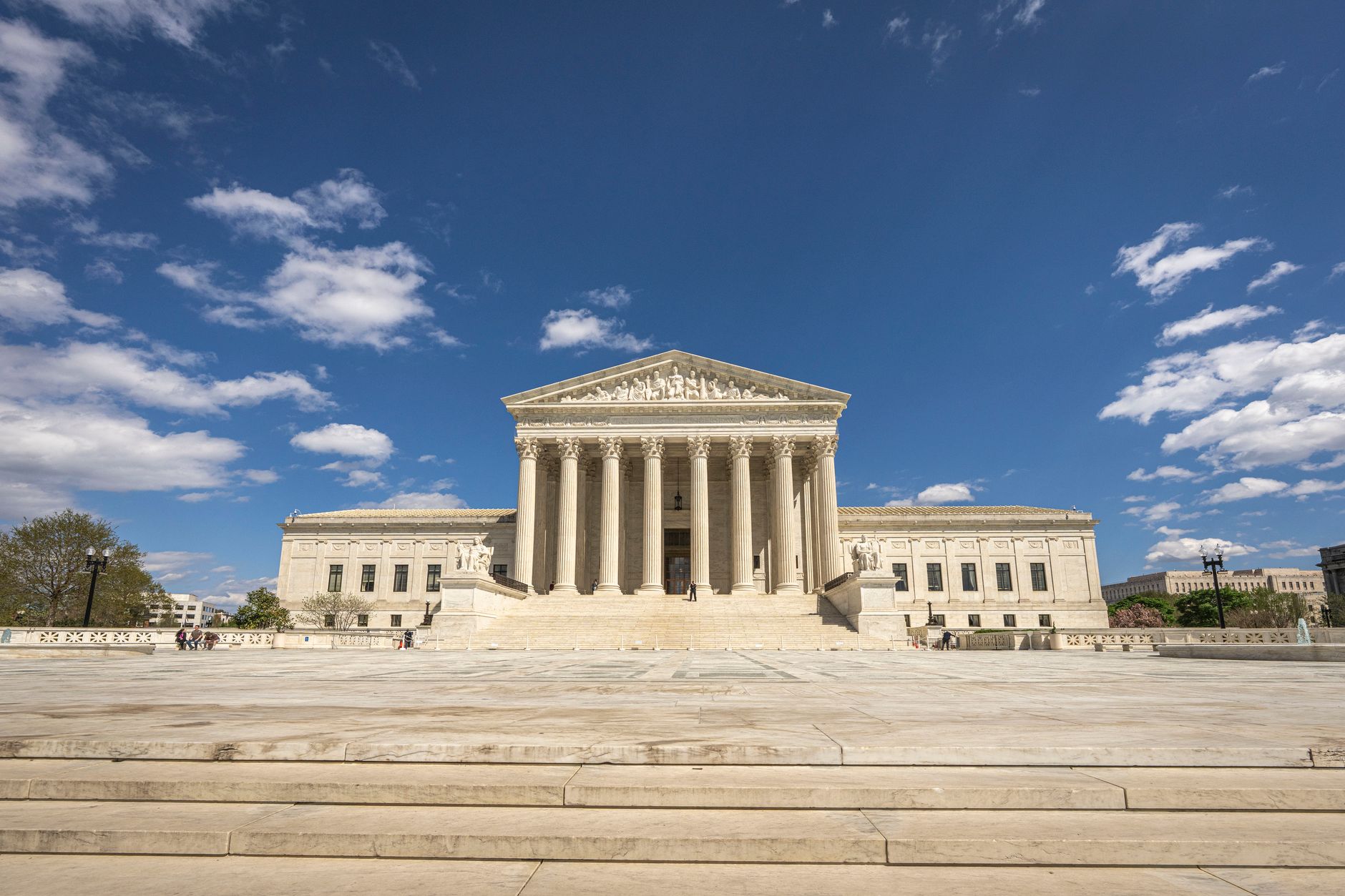
- The Supreme Court dismissed the Union of India's appeal in the Mohamed Rifas case.
- The court upheld the Madras High Court's decision to grant bail to the respondent.
- Justices Aravind Kumar and Vipul M. Pancholi ruled that foreign nationality alone does not trigger UAPA bail denial.
- The prosecution failed to prove that the respondent's initial entry into India was illegal.
- The court clarified that visa overstay does not retroactively invalidate the legality of an initial entry.
The Supreme Court bench of Justices Aravind Kumar and Vipul M. Pancholi dismissed an appeal from the Union of India on October 27, 2026. The court upheld the Madras High Court's decision to grant bail to Mohamed Rifas, who is also known as Mohamed Rigbas.
The bench ruled that the appeal filed by the Union of India lacked merit. This decision confirms the bail order previously granted to the respondent, who is alleged to be a Sri Lankan national.
Interpretation of Section 43D(7) of the UAPA
The Court clarified that the conditions for denying bail under Section 43D(7) of the Unlawful Activities (Prevention) Act are conjunctive. This means that the prosecution must prove both the status of a foreign national and that the initial entry into India was illegal or unauthorized.
Mere foreign nationality alone is insufficient to deny bail under the act. The Court determined that Section 43D(7) establishes a high bar for bail once the prosecution establishes the prima facie ingredients of the offense. This legislative intent is based on considerations of national security, sovereignty, and public interest.
Distinction between visa overstay and illegal entry
The Court held that if a foreign national enters India with a valid visa, the subsequent expiration or revocation of that authorization does not retroactively render the initial entry illegal under Section 43D(7) of the UAPA.
The Supreme Court noted that the prosecution failed to provide material to establish that the respondent's initial entry into India was unauthorized. The Court ruled that allegations regarding the suppression of identity did not justify the cancellation of bail.
Prosecution allegations regarding identity documents
Livelaw.in reported on 27 October 2026 that the prosecution alleged the respondent entered India in 2009 using a valid visa.
The prosecution claimed that the respondent subsequently overstayed this visa. They additionally claimed that the respondent secured Indian identity documents, such as a voter ID card, an Aadhaar card, and a ration card.
Procedural history of the bail case
A Sessions Court originally granted the respondent default bail in July 2018 because the investigating agency failed to file a chargesheet within the statutory period.
A Special Court revoked this bail in July 2022 in accordance with Section 43D(7) of the UAPA. This decision was later set aside by the Madras High Court in December 2023.
High threshold for bail in exceptional circumstances
The Court held that granting bail to a foreign national accused under the UAPA requires meeting a high threshold of "very exceptional circumstances". This process necessitates that the court provide reasons to be recorded in writing.
The burden of demonstrating these "very exceptional circumstances" to justify the exercise of judicial discretion for bail rests entirely on the accused.
Legal representation for the respondent
The respondent was represented by a legal team led by Advocate on Record Mr. A Velan.
Other advocates on the team included Ms. Ms. Navpreet Kaur. Mr. Prince Singh. Mr. Nilay Rai. Mr. Rashik Hameed Mukilan M. Ms. Vanya Sharma. Mr. Yashvardhan Chauhan, and Ms.. Anoopa Tiwari.
Frequently Asked Questions
Add NewsPulse Time as a preferred source on Google