EU coordinates response as supermarket cyberattacks hit 11 nations
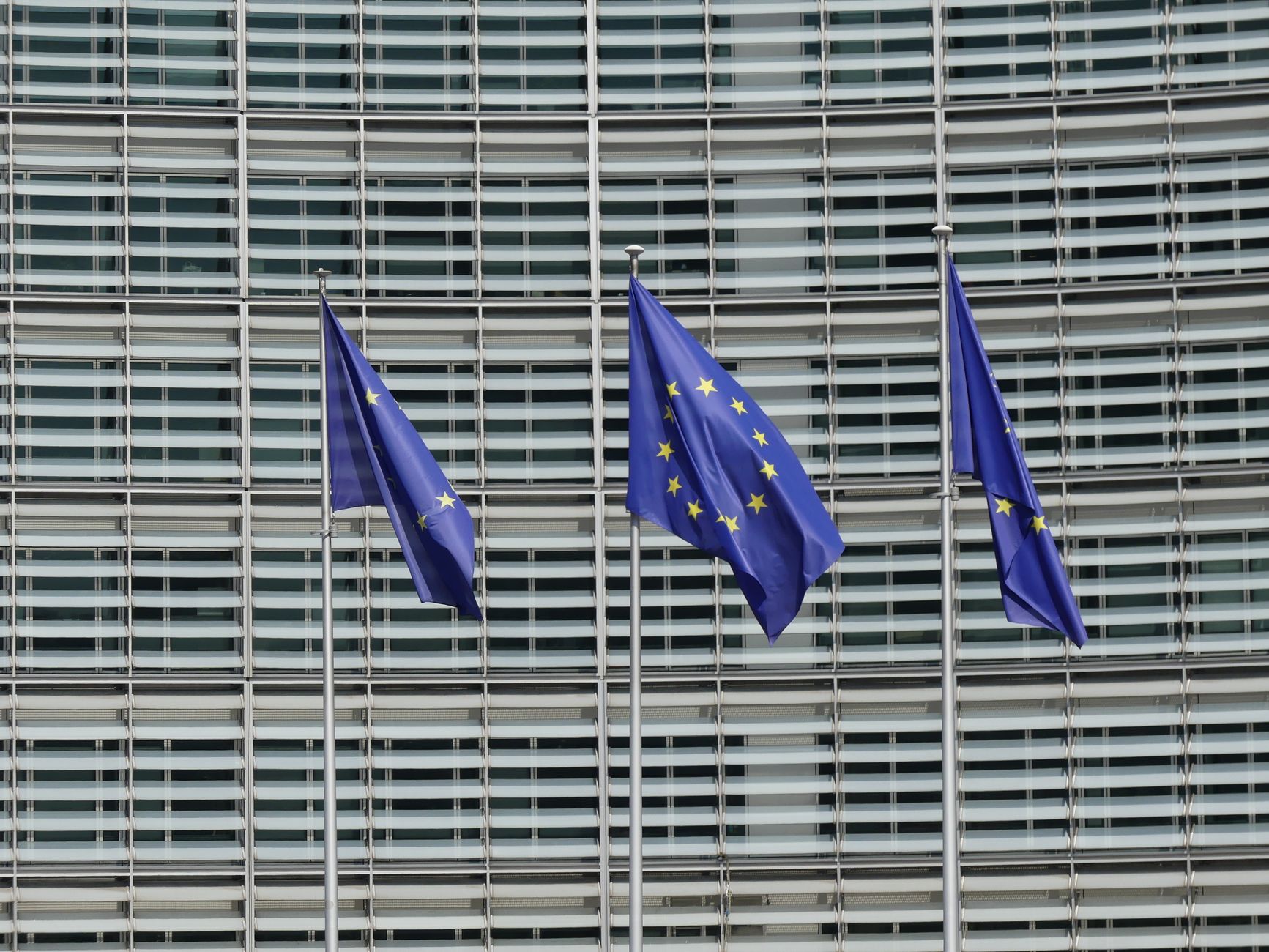
- Hackers raised refrigeration temperatures in supermarkets across 11 European countries.
- The European Union is coordinating a collective response to the attacks.
- Food spoilage has been reported across the continent due to the failures.
- Officials in Romania and the UK suggest the attacks are not state-sponsored.
- Vulnerable refrigeration technology and 4G networks were exploited in the incidents.
The European Union has pledged to coordinate a collective response after hackers increased the temperature of supermarket refrigeration systems in Germany, Romania, and the United Kingdom on Monday. These cyberattacks have impacted at least 11 European countries, causing the spoilage of tonnes of food.
The European Union described the attacks as "not isolated". The coordinated disruption has resulted in the spoilage of tonnes of food across the continent.
Refrigeration failures impact 11 European countries
Reports of refrigeration failures emerged across 11 European countries on Monday, leading to widespread food spoilage.
In Italy, about 20 supermarkets were impacted, including four Coop stores in Sicily that suffered thousands of euros in damage and discarded all stock.
Officials investigate potential for state-sponsored activity
He also confirmed that no infrastructure other than the refrigeration systems had been compromised. A Romanian official previously stated that they do not believe a state actor is responsible for the attacks.
In the United Kingdom, Richard Horne, CEO of the National Cyber Security Centre, stated that the attacks targeted small meat-processing firms but had minimal impact. Italy’s government met with intelligence and cybersecurity agency heads on Tuesday, with Prime Minister Giorgia Meloni’s office describing the impact as "limited" and maintaining high alert.
Vulnerable 4G networks and refrigeration controls exploited
Horne noted that the issue affected the "whole food supply chain" and involved cases where "vulnerable technology had been exploited". Swedish supermarket chain Coop reported that seven of its stores experienced refrigeration failures overnight due to equipment connected to "old 4G networks".
Coop spokesperson Carlos Cancinos said the company is accelerating an upgrade to 5G networks and modern modems for its refrigeration equipment, a project that began after attacks in October. Danish refrigeration-controls maker Danfoss stated its systems were targeted again and recommended that customers prevent direct internet access to their systems.
Specific reports from Germany, Romania, and Sweden
On November 2, 2026, hackers raised the temperature in freezers at an ICA Kvantum supermarket in Sjoebo, Sweden, to 50 degrees Celsius.
Precedent set by October supermarket attacks
The current wave of attacks follows an October incident that affected hundreds of supermarkets in France and stores in other European countries.
Unknown motive behind the hacking incidents
The motive for the attacks remains unknown, and no entity has claimed responsibility.
EU spokesperson Thomas Regnier confirms joint agency efforts
Regnier confirmed that the bloc’s agencies are communicating with national authorities to organise a joint response.
Frequently Asked Questions
- EU urges action as Germany, Romania and UK report supermarket cyberattacks | European Union News | Al Jazeera (aljazeera.com)
- EU urges action as supermarket cyberattacks spread (journalarta.com)
- EU (tavily.com)
- Romania (Wikipedia — background) (en.wikipedia.org)
Add NewsPulse Time as a preferred source on Google