Steven Kolb Quits CFDA After Viral Clash With PETA Activists
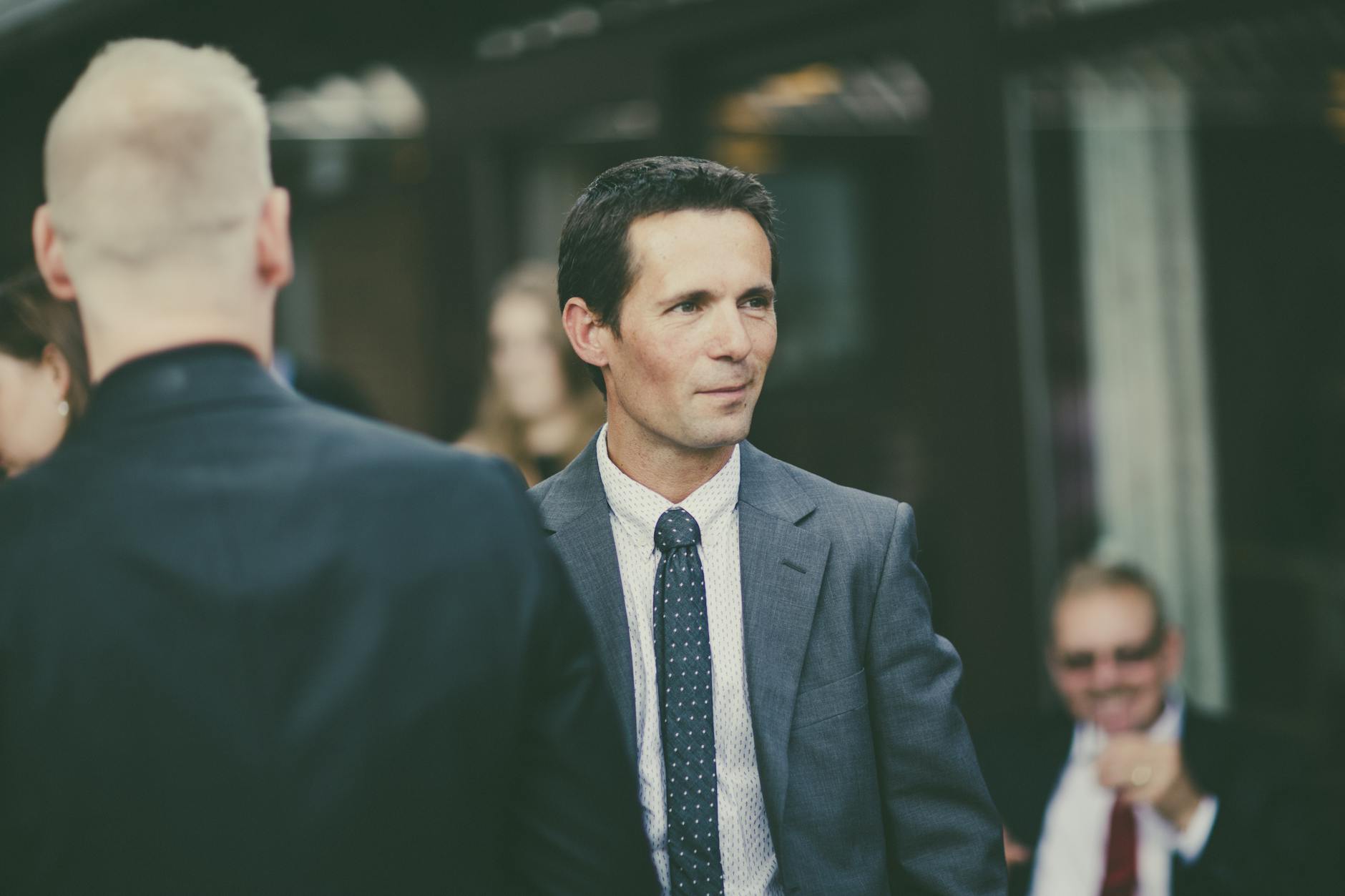
- Steven Kolb resigns as CFDA CEO on September 19, 2026.
- Resignation follows a viral video showing Kolb restraining PETA protesters.
- The incident occurred during New York Fashion Week.
- PETA activists continue to target global fashion events like London Fashion Week.
- The CFDA serves as the primary trade body for American fashion designers.
Steven Kolb resigned as the Chief Executive Officer of the Council of Fashion Designers of America (CFDA) on Saturday, September 19, 2026.
The announcement follows a viral video that captured Kolb physically restraining animal rights activists during New York Fashion Week.
Industry observers noted the move comes just days after the confrontation sparked intense debate regarding the role of corporate executives in managing protest situations.
Kolb, who led the organization for over two decades, confirmed his departure in a brief statement to the board.
The incident occurred while protesters from the People for the Ethical Treatment of Animals (PETA) attempted to disrupt a runway show in Manhattan.
Video footage, which quickly circulated across social media platforms on Wednesday, shows Kolb engaging directly with the demonstrators.
He grabbed at least one individual as security personnel struggled to clear the stage.
The visual evidence of a high-profile executive resorting to physical force triggered a swift reaction from both the fashion community and animal rights advocacy groups.
Internal sources confirmed that board members met late Friday evening to discuss the fallout and potential leadership transitions.
The CFDA now faces the challenge of identifying a successor during a critical period in the fashion calendar.
This departure marks the end of a long tenure that saw the organization expand its influence over the American fashion landscape.
The board of directors stated they would begin a search for an interim leader immediately.
Kolb expressed regret over the incident in his final communication to staff members.
He noted that the pressures of managing a high-stakes event like New York Fashion Week occasionally lead to errors in judgment.
However, the optics of the situation proved untenable for the organization.
Viral Video of Confrontation at New York Fashion Week Sparks Debate
The video of the confrontation at New York Fashion Week quickly became the most talked-about moment of the season.
Observers reported that several PETA protesters stormed the runway during a main event on Tuesday afternoon.
The demonstration aimed to highlight the use of wool and animal products in high-end collections.
As the activists reached the center of the runway, Kolb intervened personally, moving to push the protesters away from the models.
The scene lasted approximately 45 seconds before security staff successfully removed the demonstrators from the premises.
Many attendees at the show expressed shock at seeing the CEO of the industry's top trade organization involved in physical contact with protesters.
Security experts pointed out that professional event management protocols typically prohibit executives from engaging with agitators.
The standard practice involves letting trained security personnel handle crowd control to minimize liability and physical risk.
By stepping into the fray, Kolb violated these internal safety guidelines.
Social media users dissected the footage frame-by-frame, fueling a global conversation about the boundaries between fashion houses and protesters.
PETA issued a formal press release on Thursday, calling the behavior of the CEO unacceptable.
The organization urged the CFDA to adopt stricter policies regarding the use of animal products in the industry.
This incident highlights the growing tensions between fashion designers and activists who target major industry events to amplify their message.
The ripple effects of this confrontation reached far beyond the runway, forcing luxury brands to reconsider their security arrangements for future events.
Sources confirmed that several high-profile designers reached out to the CFDA board to express concerns about the damage to the industry's reputation.
The event, which is designed to showcase innovation and creative talent, instead became a focal point for the broader ethics debate.
The Evolution of PETA Protests at Global Fashion Events
The disruption at New York Fashion Week is part of a broader strategy employed by PETA to target major fashion hubs worldwide.
On Friday, September 18, 2026, activists also stormed an H&M show during London Fashion Week to protest the use of wool in the company's new line.
This coordinated effort suggests that advocacy groups are intensifying their campaigns against global fashion conglomerates.
The tactics involve infiltrating high-security events to gain maximum media exposure.
By targeting the runways, protesters ensure that their cause reaches an international audience of buyers, influencers, and media outlets.
Industry reports indicate that the frequency of these disruptions has increased by 35% over the last three fashion seasons.
Brands are now spending significantly more on private security to prevent unauthorized access to restricted areas.
The cost of these security measures has risen to an estimated $2 million per major fashion house annually, according to internal budgetary disclosures.
Despite these investments, the ability to completely block determined protesters remains limited.
The incident in New York serves as a cautionary tale for organizers who must balance the desire for open, creative environments with the need for physical security.
Fashion executives are now debating whether to adopt more aggressive security postures or to engage in more dialogue with advocacy groups.
Public sentiment remains divided, with some supporting the activists' right to protest and others criticizing the disruption of professional events.
The incident in London, which occurred just hours before the fallout in New York became public, suggests that the industry faces a prolonged period of activism.
Designers are increasingly under pressure to transparently source their materials and prove the ethical standards of their supply chains.
This pressure is forcing a shift in how fashion houses communicate their values to consumers.
Experts noted that the days of ignoring these protests are over, as the digital reach of these disruptions can cause immediate, tangible damage to a brand's image.
Leadership Transition and the Future of the Council of Fashion Designers of America
The CFDA finds itself in a precarious position following the sudden exit of its long-term leader.
Founded in 1962, the organization represents over 450 of America's most prominent womenswear, menswear, and accessory designers.
The loss of a CEO during the peak of the fashion season presents significant operational challenges.
The board of directors must now navigate the transition while maintaining the momentum of upcoming industry initiatives.
Candidates for the role are expected to have experience in both corporate management and the intricate politics of the fashion world.
The organization's mission includes fostering economic growth, supporting young designers, and promoting American fashion on the global stage.
Whoever takes the helm will inherit a complex set of problems, including the need to modernize the organization's approach to sustainability and social responsibility.
Investors and industry partners are watching closely to see if the CFDA will implement a formal policy regarding the treatment of protesters at official events.
The departure of Kolb, while necessary according to some, leaves a vacuum that must be filled by a leader capable of uniting a fractured community.
The board has not yet announced a timeline for the appointment of a permanent CEO.
In the interim, existing department heads will manage the day-to-day functions of the council.
This period of uncertainty may impact the planning of next year's fashion awards, which are among the most prestigious events in the industry.
Industry analysts suggest that the new CEO must prioritize the restoration of the CFDA's public image and rebuild trust with both designers and the public.
The focus will likely be on establishing a clear code of conduct for all affiliated events.
This would provide a framework for future security teams and staff members when faced with similar situations.
The fashion industry is notoriously resistant to change, yet the current climate demands a more proactive and transparent approach.
The next few months will be a test of the organization's resilience and its ability to adapt to a changing societal landscape.
Economic Impact of Ethical Debates on the Luxury Fashion Sector
The intersection of ethics and profitability continues to reshape the luxury fashion sector.
Consumers, particularly those in the Gen Z and Millennial demographics, are increasingly holding brands accountable for their environmental and ethical footprints.
Data from recent market research indicates that 62% of luxury shoppers consider ethical sourcing a top factor in their purchasing decisions.
This shift in consumer behavior is forcing brands to rethink their material choices, often moving away from traditional animal products.
The incident at New York Fashion Week highlights the cost of failing to address these concerns head-on.
When a brand or organization is perceived as being on the wrong side of an ethical debate, the financial impact can be swift and severe.
Stock prices for luxury conglomerates have shown increased volatility in response to public controversies.
For instance, brands that have faced significant criticism over their supply chains have seen their market share dip by an average of 4-7% in the following quarter, according to financial sector reports.
The CFDA's challenge is to guide its members through these turbulent waters while maintaining the artistic freedom that defines American fashion.
Designers are exploring alternative materials, such as lab-grown leather and synthetic fibers that mimic the texture of wool.
These innovations are not just for sustainability; they are also a survival strategy in a market that demands transparency.
The industry is also grappling with the role of traditional media versus social media in shaping public opinion.
A single video, like the one involving Kolb, can reach millions of people in a matter of hours, far outweighing the impact of traditional PR campaigns.
This reality has forced brands to invest in digital monitoring tools that track sentiment in real-time.
By understanding the pulse of the public, companies hope to mitigate risks before they escalate into full-blown crises.
The resignation of a CEO is a drastic step, but it is one that reflects the high stakes of modern corporate reputation management.
The path forward for the fashion industry involves a delicate balance of creativity, commerce, and conscience.
As the sector matures, the ability to navigate these complex ethical landscapes will become a core competency for any successful leader.
Looking Ahead: The New Normal for Fashion Security and Public Engagement
As the dust settles on the events of this week, the fashion world is looking toward a future where security and protest are constant companions.
Industry leaders are already discussing the implementation of new, unified safety protocols for all upcoming runway shows.
The goal is to ensure that while protest is a protected right, the safety and integrity of the events are preserved.
Some suggestions include the use of designated protest zones outside venues, combined with enhanced security perimeters.
This would allow activists to be heard without disrupting the flow of the shows.
However, this approach is controversial, as many activists argue that the proximity to the runway is essential for their message to be effective.
The events of this week have proven that the current system is inadequate for dealing with determined, high-impact disruptions.
The resignation of Kolb serves as a definitive turning point for the CFDA and its members.
It signals that the old way of handling these challenges is no longer viable in an era of constant connectivity.
Moving forward, the conversation will likely shift toward finding a middle ground where ethical concerns can be discussed without resorting to physical conflict.
Whether this is possible remains to be seen, as the ideological divide between the fashion industry and animal rights groups continues to widen.
The focus now turns to the search for a new leader who can bridge these gaps.
This individual will need to be a skilled communicator, a strategic thinker, and a leader who understands the power of optics in the digital age.
The upcoming season will likely be a litmus test for the industry's ability to evolve.
With London Fashion Week ongoing and Paris approaching, the world is watching to see how other organizations handle the pressure.
The industry is at a crossroads, and the decisions made in the coming weeks will define the trajectory of American fashion for years to come.
The final word on this matter rests with the designers and executives who must now decide what kind of future they want to build.
Change is often uncomfortable, but in the case of the fashion industry, it appears to be unavoidable.