Chicago Activists Challenge Growing Flock Surveillance Network
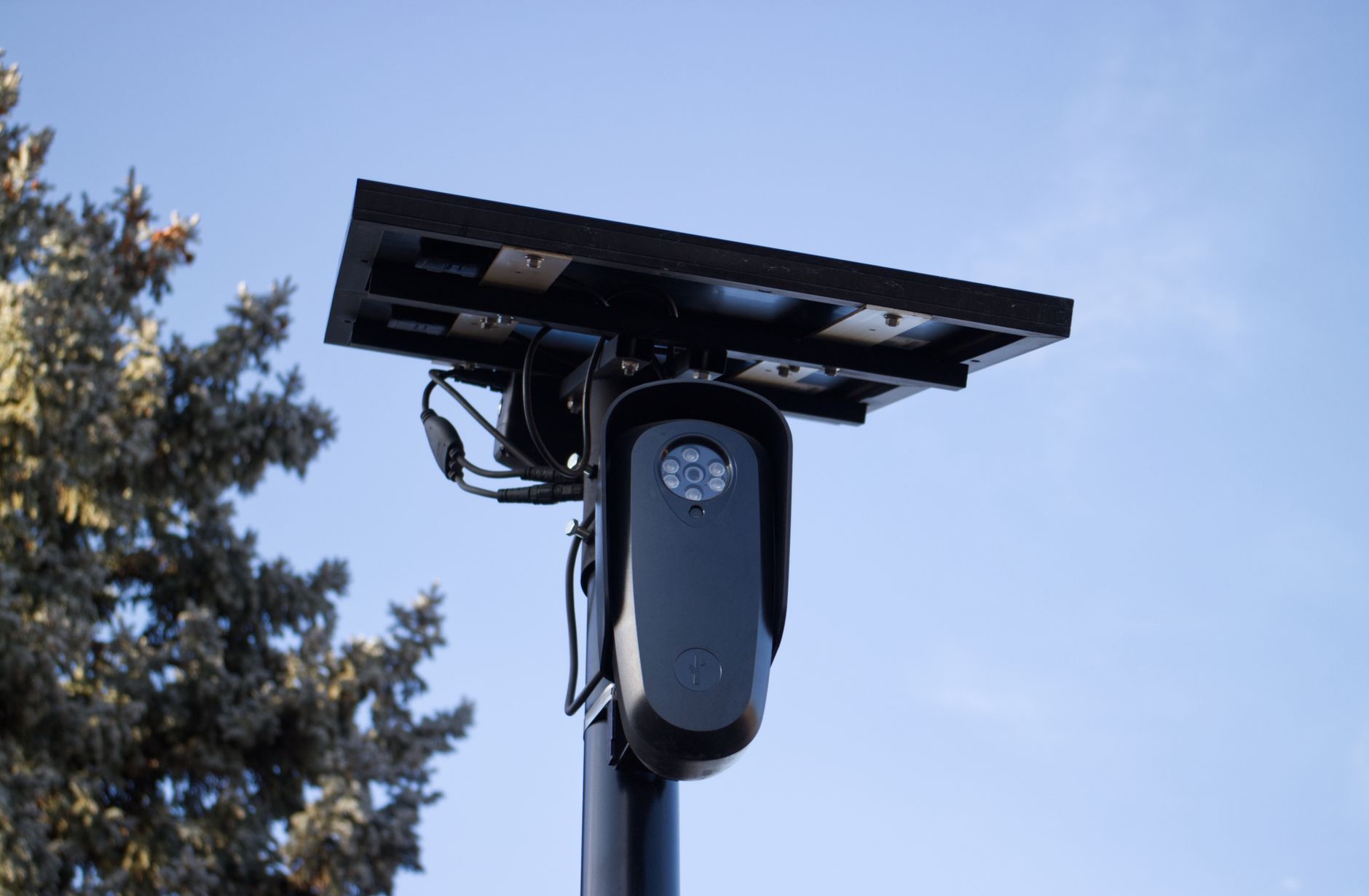
- Chicago-area activists are pushing back against the widespread installation of Flock Safety cameras.
- Multiple police officers face investigations for using the system to stalk individuals for personal use.
- The ACLU launched a 'Get The Flock Out' campaign to challenge the legality of the surveillance network.
- Flock Safety recently announced policy changes in response to mounting public backlash.
- Surveillance technology has become a central issue in local midterm election campaigns.
Activists across the Chicago suburbs are organizing a pushback against the rapid expansion of Flock Safety license plate reader technology. The surveillance network, which utilizes high-definition cameras to track vehicle movements, now spans over 500 municipalities across the Chicago area, monitoring more than 3,000 individual camera feeds daily. As of Wednesday, September 16, 2026, community groups are demanding stricter oversight of the systems that monitor thousands of residents daily. The issue reached a boiling point this month after reports surfaced regarding the misuse of the technology by law enforcement personnel. Officials said that police officers in several Chicago-area jurisdictions currently face investigations for accessing the camera network to track people for personal reasons. This development has energized local activists who argue that the technology creates an unchecked surveillance state that disproportionately impacts residents. The movement, which includes members of the American Civil Liberties Union and various neighborhood watch organizations, calls for immediate transparency and the implementation of strict data retention policies. They argue that the promise of increased public safety does not justify the erosion of personal privacy. Residents expressed concern that the system, initially marketed as a tool to solve violent crime, now functions as a tool for constant tracking. • Flock Safety cameras operate in hundreds of municipalities across the Chicago area. • License plate readers capture data on vehicle location, make, and model in real-time. • Surveillance data is stored in a central database accessible to law enforcement agencies.
How Flock's License Plate Readers Track Suburban Drivers
Flock Safety technology relies on stationary cameras installed on utility poles and traffic signals. These devices capture high-resolution images of every passing vehicle, converting license plate numbers into searchable text strings. This data integrates directly into police dispatch systems, allowing officers to receive instant alerts if a vehicle associated with a warrant or a missing person enters their patrol area. The infrastructure turns quiet suburban streets into high-tech checkpoints. According to industry reports, the systems are designed to operate 24/7, with a standard 30-day data retention period that allows police to build a detailed history of where a specific vehicle has been over weeks or months. This capability, while touted by many police departments as an invaluable tool for solving property crimes and burglaries, creates a permanent digital trail for every driver. Experts noted that the sheer scale of the data collection exceeds what was possible even a decade ago. While traditional police work required manual observation or physical trailing of a suspect, this automated system performs the task at scale with minimal effort. This shift changes the fundamental relationship between the public and law enforcement. The ease of access to this data is exactly what critics claim leads to the current wave of abuse. The technology essentially democratizes the ability to stalk, provided one has the credentials to log into the portal.
Police Misuse Cases Trigger Calls for Accountability
The promise of crime reduction often clashes with the reality of human behavior. Recent months have seen a string of scandals involving police officers using the Flock system for non-official purposes. Sources confirmed that at least 12 active investigations are currently underway in the Chicago area regarding officers who used the database to stalk romantic partners or settle personal vendettas. These incidents have forced a public reckoning. In July 2026, reports indicated that police officers in several states, including Illinois, lost their jobs specifically for misusing the technology. This pattern of behavior is not an isolated incident but a systemic risk inherent in the system's design, according to privacy advocates. The ability to search for a vehicle by plate number and see its recent movements provides a powerful, often irresistible, tool for those with malicious intent. Officers are trained to use the system for legitimate investigations, yet the lack of robust internal audits makes it difficult to detect unauthorized searches until a complaint is filed. This gap in oversight is the primary focus of the current activist campaign. They demand that police departments provide public reports on how often the system is accessed and for what specific purposes. Without this, they argue, there is no way to hold the agencies accountable for potential abuses of power.
Surveillance as a Tool for Stalking Women
The weaponization of surveillance technology has hit women particularly hard. Reports from August 2026 highlighted that the ease of tracking vehicle movements is frequently used to stalk women, often by individuals they know. The technology, designed to catch criminals, inadvertently provides abusers with a high-tech tool to monitor their victims' movements with terrifying precision. This realization has shifted the narrative surrounding the cameras from a general privacy concern to a specific safety issue for vulnerable groups. Advocates argue that the system creates a digital leash that allows abusers to know exactly when a victim arrives at work, a friend's house, or a shelter. Because the data is stored and searchable, an abuser with access to the system can review a victim's daily routine without ever needing to follow them physically. This capability effectively removes the anonymity that most people expect when they drive to the grocery store or the gym. The psychological impact of knowing that one's every move is recorded and potentially accessible to someone with a grudge is profound. This reality has fueled the urgency behind the 'Get The Flock Out' campaign. Activists are not just concerned about government overreach; they are concerned about the fundamental safety of residents in a world where movement is constantly tracked.
The Political Price of Surveillance in Midterm Campaigns
The backlash against surveillance technology has moved from community halls to the political arena. As midterm elections approach, the presence of Flock cameras has become a campaign issue for candidates who want to appeal to voters wary of corporate and government power. Some candidates have made the removal or strict regulation of these cameras a central part of their platform. Voters are increasingly balking at the idea of private companies holding vast amounts of data on their daily lives. The concern is not just about police; it is about the power that private tech companies wield over public infrastructure. When a private company controls the cameras and the database, they essentially act as a gatekeeper for law enforcement information. This relationship creates a complex web of liability and responsibility that many voters find unacceptable. Candidates are now asking pointed questions about the 10-year contract terms between municipalities and Flock Safety. They want to know who owns the data, how long it is kept, and who has the right to sell or share it with third parties. The political pressure is mounting, and many local officials are finding it difficult to defend the continued expansion of the network without significant concessions to transparency. The debate is no longer about whether the technology works, but whether the cost to civil liberties is simply too high to justify its continued use.
Corporate Shifts Amidst Rising Public Pressure
Facing intense scrutiny, Flock Safety recently announced changes to its network and data policies. In August 2026, the company stated that it would implement new safeguards to address the backlash over its license plate reader network. These changes include more robust audit logs and stricter limits on who can access the database, designed to curb the unauthorized searches that have plagued the system. However, for many activists, these changes are too little and too late. The ACLU and other groups continue to push for a complete moratorium on the installation of new cameras until a full, independent review of the technology's impact on civil rights is completed. They argue that the company's changes are a reactive measure meant to protect their bottom line rather than a genuine commitment to privacy. The standoff continues as more municipalities weigh the benefits of the technology against the growing public outcry. Some towns have already paused their contracts, while others remain committed to the system, citing successful crime clearances as evidence of its necessity. The final outcome remains uncertain, but one thing is clear: the era of unchecked surveillance expansion is coming to an end. Residents are demanding a say in the technology that shapes their communities, and they are no longer willing to accept the status quo. The fight over the cameras in Chicago is a harbinger of a national debate that will likely define the future of policing in the digital age.