Cosmos Health Athens Facility Hits $20 Million Revenue Milestone
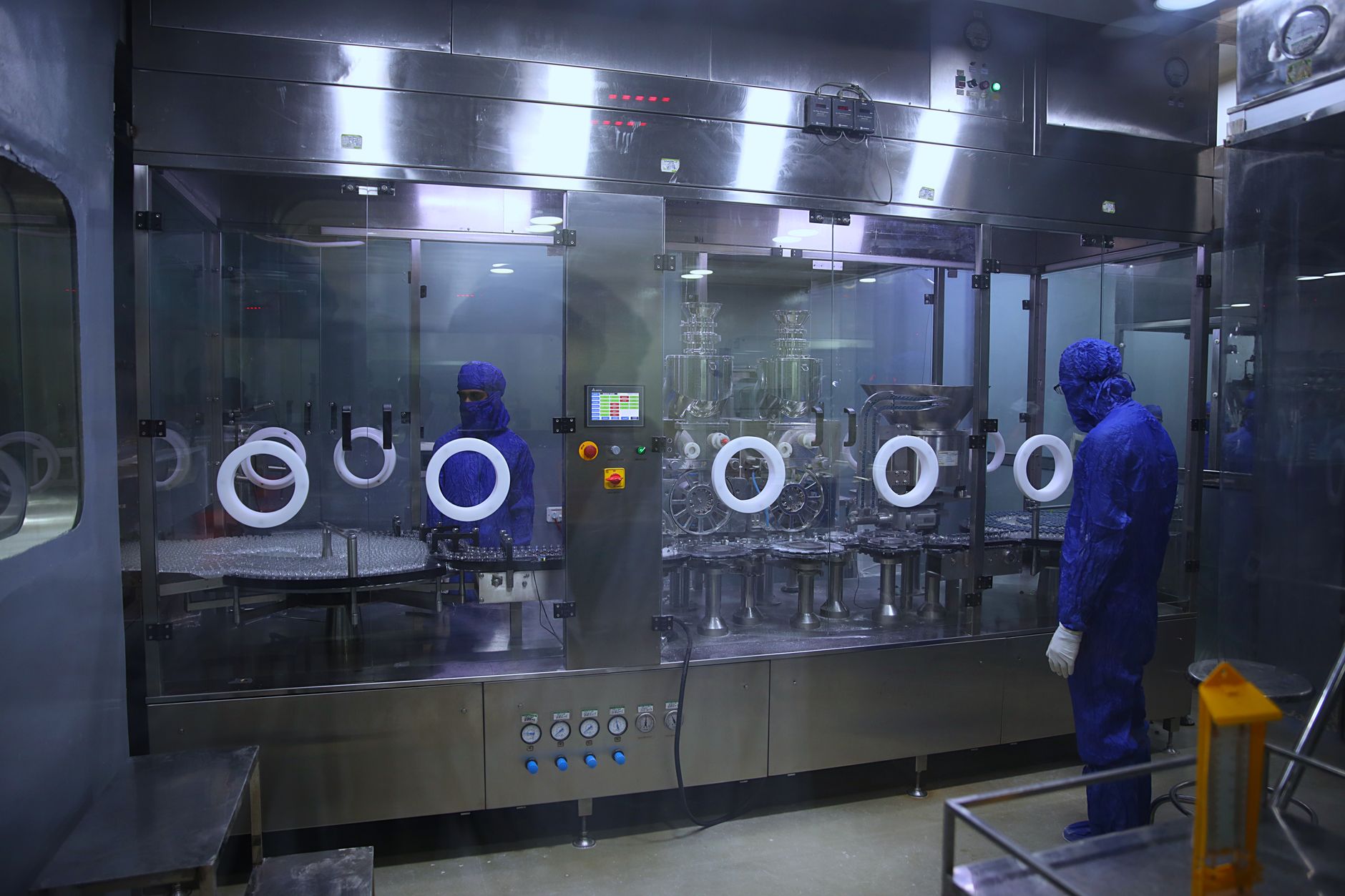
- Athens factory production pipeline reaches 32.7 million units
- Cana Labs CMO division revenue exceeds $20 million
- Gross profit for the division hits $18 million
- Gross margin stands at 90% for the pipeline
- Contracts for production extend up to 10 years
The pharmaceutical manufacturing landscape in Athens marked a significant shift this Monday as Cosmos Health announced that its contract manufacturing organisation (CMO) division, Cana Labs, has secured a production pipeline exceeding 32.7 million units.
Industry data released on 28 September 2026 confirms that this volume represents a substantial expansion for the firm's Greek operations.
The facility, which serves as a cornerstone of the company's European production strategy, is now operating at a capacity that experts say reflects a broader trend of reshoring pharmaceutical manufacturing to European soil.
Officials said the scale of this output is designed to meet both domestic demand and broader European market requirements for essential medications.
The 32.7 million-unit figure covers a diverse range of pharmaceutical products, ensuring that the facility remains a high-throughput hub for the region.
This surge in production capacity is not merely a numerical achievement; it serves as a response to the ongoing efforts by European health authorities to stabilise supply chains after years of volatility.
By localising production in Athens, Cosmos Health has effectively reduced the logistical complexities that often hinder the delivery of critical medicine.
Sources confirmed that the facility has been upgraded with high-efficiency machinery to handle the increased volume while maintaining strict adherence to European Medicines Agency (EMA) standards.
The sheer scale of this pipeline, at 32.7 million units, positions the Athens factory as one of the most productive units in the company's global portfolio.
This development provides a clear signal to the market that Greece is becoming an increasingly attractive destination for high-value pharmaceutical manufacturing, thanks to a combination of skilled labour and strategic geographic positioning.
The focus remains on scaling operations safely without compromising the quality that healthcare providers expect from European-manufactured pharmaceuticals.
As the production lines run, the focus shifts to how these 32.7 million units will be integrated into existing supply networks across the continent.
The facility is currently operating under a series of long-term agreements, which provide the stability needed to maintain such high levels of output over the coming decade.
Cana Labs Secures $20 Million in Implied Revenue
The financial implications of this production milestone are substantial, with Cana Labs reporting an implied revenue of $20 million tied directly to its current contract pipeline.
Market analysts noted that this figure is a direct result of the high-value nature of the products being manufactured at the Athens site.
The revenue, which is projected based on the 32.7 million-unit pipeline, underscores the viability of the contract manufacturing model in the current economic climate.
Industry reports indicate that the $20 million revenue figure is supported by long-term contracts, some of which extend for up to 10 years.
This long-term visibility is rare in the pharmaceutical sector, where contract lengths are often shorter and more susceptible to market fluctuations.
The financial health of the division is further bolstered by a gross profit of $18 million, representing an impressive 90% gross margin.
This margin suggests that the production processes at the Athens site are highly optimised, with low overhead costs relative to the output value.
Experts pointed out that such high margins are typically achieved through a combination of automated manufacturing processes and a highly efficient supply chain for raw materials.
When asked about the sustainability of these margins, industry observers suggested that the 10-year contract structure allows for better cost forecasting and capital allocation.
The $20 million revenue figure is expected to serve as a baseline for future growth, as the company explores additional production agreements.
The financial success of Cana Labs is a reflection of the growing demand for reliable, high-margin pharmaceutical manufacturing partners in Europe.
By securing these contracts, Cosmos Health has insulated itself from the price volatility that often plagues shorter-term manufacturing agreements.
The $18 million in gross profit provides the company with significant liquidity, which can be reinvested into further technological upgrades at the Athens factory.
This cycle of reinvestment is essential for maintaining the competitive edge that the facility currently enjoys in the European market.
The financial data, as confirmed by recent filings, paints a picture of a company that has successfully identified a niche in the high-end pharmaceutical manufacturing space.
This revenue stream is not just a one-time gain but a recurring financial benefit that will likely influence the company's valuation in the coming quarters.
Achieving 90% Gross Margin Through Operational Efficiency
The 90% gross margin reported by Cana Labs is a standout figure that warrants closer examination in the context of pharmaceutical manufacturing.
Industry experts noted that achieving such a margin requires a precise balance between labour costs, material procurement, and energy efficiency.
The Athens facility has achieved this by integrating advanced robotics and real-time monitoring systems into its production lines.
These systems allow for a high degree of precision, reducing waste and ensuring that almost every unit produced meets the required specifications on the first pass.
The 90% margin is also a testament to the high value-add of the specific pharmaceuticals being produced.
Unlike commodity generic drugs, which often face intense price competition, the products handled by the Athens facility occupy a market segment where quality and reliability command a premium.
This strategy of focusing on high-value products has allowed the company to maintain profitability even as it scales up to 32.7 million units.
Regulatory filings show that the company has invested heavily in the technical infrastructure of the Athens site, which has been a primary driver of these efficiencies.
By reducing the time required for changeovers between different production batches, the facility has increased its total uptime.
This operational efficiency is a critical component of the 90% margin, as it allows for a higher volume of production without a proportional increase in fixed costs.
The ability to maintain these margins over the long term is supported by the 10-year nature of the contracts, which allow for a stable production schedule.
This stability means that the facility can operate at an optimal capacity, avoiding the costs associated with under-utilisation or the inefficiencies of rapid, unplanned production shifts.
The financial data suggests that this model is highly scalable, and there is potential for further margin expansion as production volumes continue to grow.
The success of this operational model provides a blueprint for other pharmaceutical manufacturers looking to improve their margins in an increasingly competitive global market.
The 90% margin is not just a financial statistic; it is a reflection of the technical and operational maturity of the Athens facility.
The Strategic Importance of 10-Year Manufacturing Contracts
The decision to secure contracts for up to 10 years is a strategic move that sets Cosmos Health apart from many of its competitors.
In an industry often defined by short-term agreements and shifting supplier relationships, a decade-long contract provides a level of certainty that is invaluable for long-term planning.
These contracts allow the company to make significant capital investments in the Athens facility, knowing that the demand for its services will remain consistent for years to come.
Industry reports indicate that the 10-year timeframe is also beneficial for the clients, who gain a reliable partner capable of meeting their long-term supply needs.
This mutual benefit is a key factor in the success of the Cana Labs division.
The stability provided by these contracts has allowed the company to build a workforce of highly skilled professionals in Athens, who are trained in the specific requirements of these long-term production agreements.
The ability to retain this expertise is a significant advantage in an industry where talent is often in short supply.
Furthermore, the long-term nature of these contracts helps to mitigate the risks associated with market volatility.
Even in periods of economic uncertainty, the demand for the pharmaceuticals produced under these agreements remains relatively stable, ensuring a consistent revenue stream for the company.
The 10-year contracts also facilitate better planning for the procurement of raw materials, as the company can negotiate long-term supply agreements that are less susceptible to price spikes.
This integrated approach to supply chain management is a core component of the company's strategy.
The presence of these long-term agreements has also strengthened the company's position in the eyes of investors, who value the predictability of the revenue stream.
As the pharmaceutical industry continues to evolve, the importance of such long-term partnerships is only expected to increase.
The 10-year horizon is a clear indicator of the company's confidence in its ability to maintain high standards of quality and efficiency over the long term.
This commitment to long-term stability is a key pillar of the company's growth strategy in the European market.
Modernising Pharmaceutical Production in the Greek Capital
The modernisation of the Athens facility is part of a broader effort to revitalise the pharmaceutical manufacturing sector in Greece.
For years, the country has sought to leverage its strong educational system and strategic location to become a hub for high-tech manufacturing, and the success of the Cosmos Health facility is a significant step in that direction.
The facility, which employs hundreds of workers, has become a focal point for the development of new manufacturing technologies.
Officials said that the investment in the Athens site has had a positive ripple effect on the local economy, creating jobs and fostering a culture of innovation in the pharmaceutical sector.
The use of advanced manufacturing technologies, such as automated packaging and real-time quality control, has set a new standard for the industry in the region.
This focus on modernisation is essential for staying competitive in a market where quality and speed are paramount.
The Athens site has also benefited from its proximity to major European logistics networks, which allow for the efficient distribution of its products across the continent.
This logistical advantage, combined with the high quality of the manufacturing output, has made the facility a preferred choice for many pharmaceutical companies.
The success of the Athens factory is a signal to other companies that Greece is a viable and attractive location for high-value manufacturing.
As the facility continues to grow, it is expected to play an even larger role in the European pharmaceutical supply chain.
The focus on modernisation is not limited to the production lines; it also extends to the company's approach to sustainability and energy efficiency.
The facility is currently implementing a range of measures to reduce its environmental footprint, including the use of renewable energy sources and the optimisation of water usage.
These efforts are part of a broader commitment to responsible manufacturing that is becoming increasingly important in the European market.
The modernisation of the Athens facility is a clear indicator of the company's commitment to staying at the forefront of the pharmaceutical manufacturing industry.
Future Growth and the Next Phase of Production Expansion
Looking ahead, the next phase for the Cana Labs division involves the potential for further expansion of its production capabilities.
With the current pipeline reaching 32.7 million units, the company is already exploring ways to increase its output to meet the growing demand for its services.
Market analysts noted that the success of the Athens facility provides a strong foundation for future growth, both in terms of capacity and the range of products manufactured.
The company is expected to continue its focus on high-value pharmaceutical products, where its expertise and efficiency provide a significant competitive advantage.
There is also the potential for the company to explore new partnerships, as more pharmaceutical firms look to secure reliable, long-term manufacturing agreements in Europe.
The success of the current 10-year contracts serves as a strong endorsement of the company's capabilities and is likely to attract new clients.
The company's management has indicated that they are committed to maintaining the high standards of quality and efficiency that have driven the success of the Athens facility.
As the market for contract manufacturing continues to grow, the company is well-positioned to capitalise on these opportunities.
The focus will remain on technological innovation and operational excellence, which have been the cornerstones of the company's strategy to date.
The future of the Athens facility looks bright, with the potential for further growth and an even greater role in the European pharmaceutical landscape.
As the company continues to scale its operations, it will be interesting to see how it manages the challenges of growth while maintaining the high margins and quality standards that have defined its success.
The success of the Athens facility is a testament to the power of strategic planning and a commitment to operational excellence.
The next few years will be a critical period for the company as it looks to build on its current achievements and secure its position as a leader in the European pharmaceutical manufacturing market.
The ongoing expansion is expected to bring new opportunities for the company, its employees, and the broader Greek economy, reinforcing the importance of the facility as a key player in the industry.