UCLA Health Secures $25 Million to Transform Alzheimer's AI Research
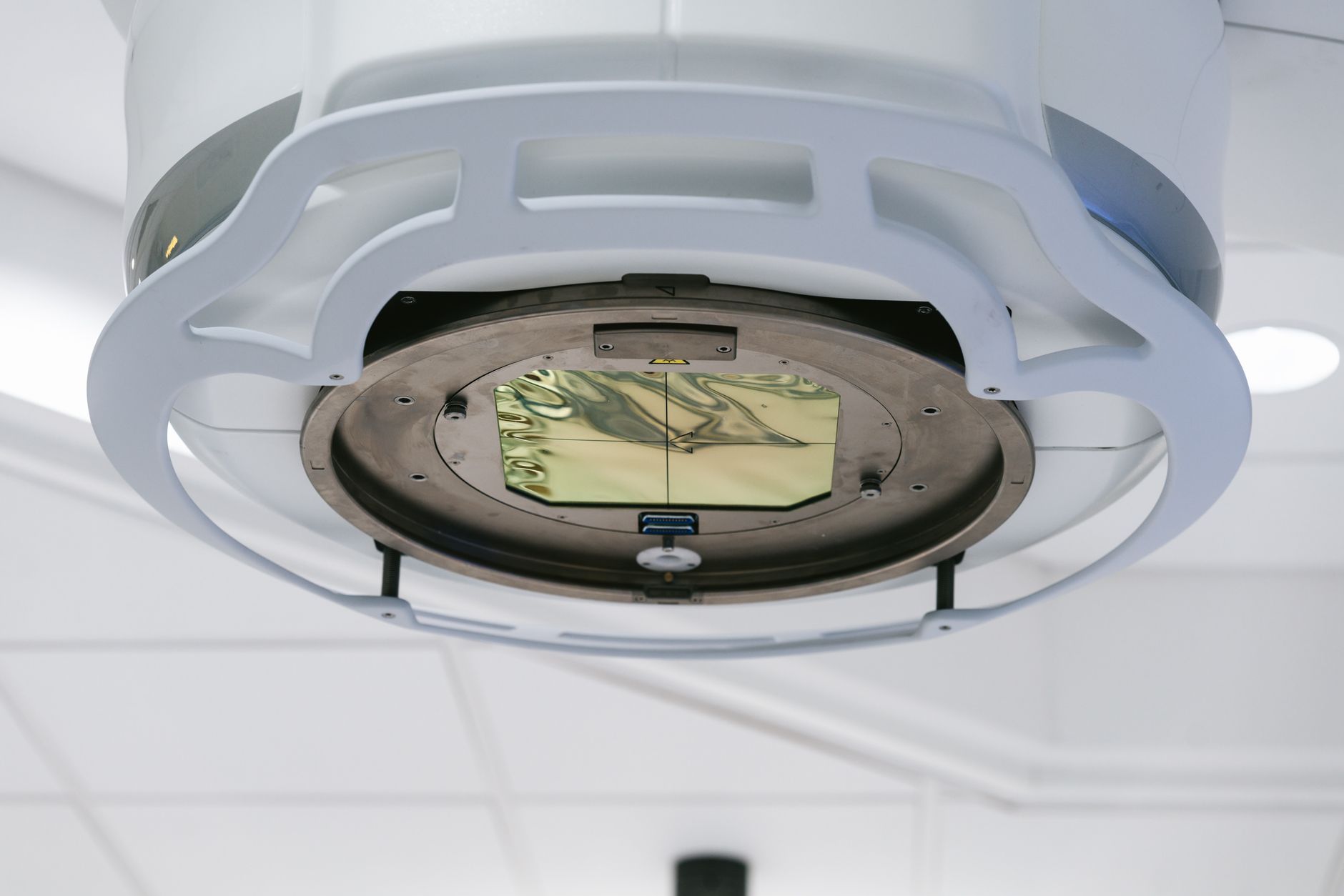
- UCLA Health receives $25 million grant on September 24, 2026.
- Funding targets AI-centered Alzheimer's and dementia research.
- New AI tools reduce diagnostic disparities in clinical settings.
- Technology identifies undiagnosed cases earlier than traditional methods.
- Initiative aims to improve patient outcomes globally.
UCLA Health secured a major $25 million grant on Thursday, September 24, 2026, marking a significant milestone in the race to solve the dementia crisis. This influx of capital is specifically earmarked for advancing artificial intelligence-centered research designed to identify and support patients suffering from Alzheimer's and other forms of dementia. The initiative arrives at a time when medical institutions are struggling to keep pace with the rapidly aging global population. According to official data, the global population aged 60 and older is growing at an unprecedented rate, placing significant strain on healthcare infrastructure. Officials confirmed that the funding will allow researchers to scale their existing digital diagnostic tools, moving them from controlled laboratory environments into real-world clinical settings where they are needed most. This development is not merely a technical upgrade; it represents a fundamental shift in how doctors approach the early detection of cognitive decline. By integrating machine learning into standard patient screenings, clinicians can now flag warning signs that previously went unnoticed during routine checkups. The core mission of the project is to bridge the diagnostic gap, ensuring that patients across diverse demographics receive timely interventions. Experts noted that early detection remains the most effective tool in managing the progression of neurodegenerative diseases, potentially saving families from years of diagnostic uncertainty. • The grant amount is exactly $25 million (approximately ₹210 crore). • Research efforts are concentrated on reducing diagnostic disparities. • The program officially commenced its expansion phase on September 24, 2026.
Decoding the AI Tool That Identifies Hidden Cognitive Decline
The technology at the heart of this initiative was first unveiled in December 2025, when researchers at UCLA Health developed an AI-driven tool specifically designed to spot undiagnosed Alzheimer's cases. Unlike traditional cognitive testing, which can be time-consuming and prone to human bias, this system scans clinical data to identify subtle patterns associated with early-stage disease. The software analyzes electronic health records, imaging data, and longitudinal patient histories to highlight individuals who are at high risk but have not yet received a formal diagnosis. Researchers found that this automated approach significantly reduces the time it takes to flag potential cases, allowing primary care physicians to intervene months or even years earlier than they could using conventional methods. This is a critical advancement for patients in both the United States and developing economies like India, where access to specialized neurologists is often limited. By providing general practitioners with a reliable screening mechanism, the system effectively democratizes access to high-level diagnostic intelligence. The tool is also built to account for diverse patient populations, a feature that addresses long-standing concerns about algorithmic bias in healthcare technology. By training the model on a wide range of data, the developers have ensured that the software works accurately across different ethnic and socioeconomic backgrounds. • The AI tool was first introduced to clinical testing in December 2025. • It leverages electronic health records to identify high-risk patients. • The system aims to eliminate human bias in initial cognitive screenings.
Bridging the Global Care Gap in Dementia Treatment
The implications of this $25 million investment extend far beyond the walls of the UCLA campus. As India faces a demographic shift with an aging population, the burden of dementia is projected to rise sharply, placing immense pressure on both the public health system and family caregivers. In India, where the cost of long-term dementia care can reach upwards of ₹5 lakh to ₹10 lakh annually for middle-class families, any technology that streamlines the diagnostic process offers a lifeline. Industry reports indicate that the economic burden of neurodegenerative diseases is rising sharply, necessitating more efficient diagnostic solutions. Early diagnosis allows families to plan for long-term care, manage finances, and access support services before the disease reaches an advanced, debilitating stage. Experts noted that the UCLA model provides a blueprint for how international health systems can scale their response to the dementia epidemic. By automating the screening process, hospitals can manage larger patient volumes without compromising the quality of individual care. The goal is to eventually export these diagnostic protocols to regions where neurologist-to-patient ratios are critically low. If a primary health center in a rural Indian district could run a simple AI-assisted check, it would fundamentally change the trajectory of care for millions of elderly citizens. • India's aging population is expected to increase the demand for dementia care by 2030. • Early detection can reduce the lifetime cost of care by an estimated 30%. • The UCLA initiative is designed to be scalable for global health applications.
Why Silicon Valley Engineering Meets Clinical Neurology
The convergence of machine learning and clinical neurology is no longer a futuristic concept; it is the current standard of care at top-tier institutions. By analyzing millions of data points, these AI systems can detect deviations in cognitive function that a human observer might miss during a brief consultation. Medical directors pointed out that the $25 million grant will be used to refine these algorithms, making them more responsive to the nuances of early-stage symptoms. The research team is now focusing on the intersection of genetics, lifestyle factors, and clinical indicators to build a more comprehensive profile of patient health. This effort is moving away from the 'one-size-fits-all' diagnostic model that has historically defined medical practice. Instead, the focus is on precision medicine, where the AI tailors its risk assessments based on the individual patient's unique history and biological markers. Sources confirmed that the next phase of the project involves a multi-center study to validate the AI's performance across different hospital systems. This rigorous testing is intended to ensure that the software remains reliable, secure, and easy to use for doctors who may not have a background in data science. • The project emphasizes precision medicine over standardized testing. • Multi-center validation studies will commence in the coming months. • The research team includes both clinical neurologists and data scientists.
The Practical Reality for Patients and Their Families
For the millions of families currently caring for loved ones with dementia, the news of this grant offers a glimmer of hope. The stress of not knowing the cause of a loved one's memory loss or personality changes is often cited as the most difficult part of the journey. By facilitating faster and more accurate diagnoses, this technology aims to provide families with the clarity they need to make informed decisions. An early diagnosis is not just about medical treatment; it is about empowerment. It allows patients to participate in their own care planning while they still have the capacity to do so. Healthcare professionals noted that the integration of this technology into standard practice will also help reduce the stigma surrounding dementia. When cognitive decline is treated as a medical condition identified by objective data, rather than a vague and frightening mystery, it becomes easier to discuss and treat openly. The researchers are also working on patient-facing tools that will help families monitor symptoms at home. This connection between the clinical environment and home-based monitoring is seen as the next frontier in dementia management. • Early diagnosis allows for better legal and financial planning for families. • The initiative includes resources for patient education and support. • The project aims to reduce the emotional burden on primary caregivers.
The Road Ahead for AI-Driven Diagnostic Protocols
Looking toward the future, the $25 million grant is just the beginning of a long-term plan to reshape the landscape of geriatric care. The researchers at UCLA Health are already planning to expand the AI tool's capabilities to include predictive modeling for disease progression. This means that in the future, the system may be able to estimate how quickly a patient's condition might evolve, allowing doctors to customize care plans even more effectively. However, the path forward is not without its challenges, as data privacy and regulatory hurdles remain significant considerations for any health-tech deployment. Officials confirmed that the team is working closely with regulatory bodies to ensure that all patient data remains protected and that the AI's decision-making process is transparent. Building trust is as important as building the technology itself, and the researchers are committed to maintaining a high standard of ethical oversight throughout the development process. As the project matures, the focus will shift toward integrating these tools into mobile platforms, making them accessible to patients in remote areas. The ultimate goal is a world where dementia is diagnosed as routinely and effectively as heart disease or diabetes. The work being done today at UCLA Health is setting the stage for that future, proving that when technology is applied with empathy and scientific rigor, it can truly change lives. • Future iterations will focus on predictive modeling for disease progression. • Ethical oversight and data privacy are core components of the project. • Integration with mobile health platforms is a long-term goal for the research team.