Glucosamine Linked to 25% Faster Alzheimer's Progression
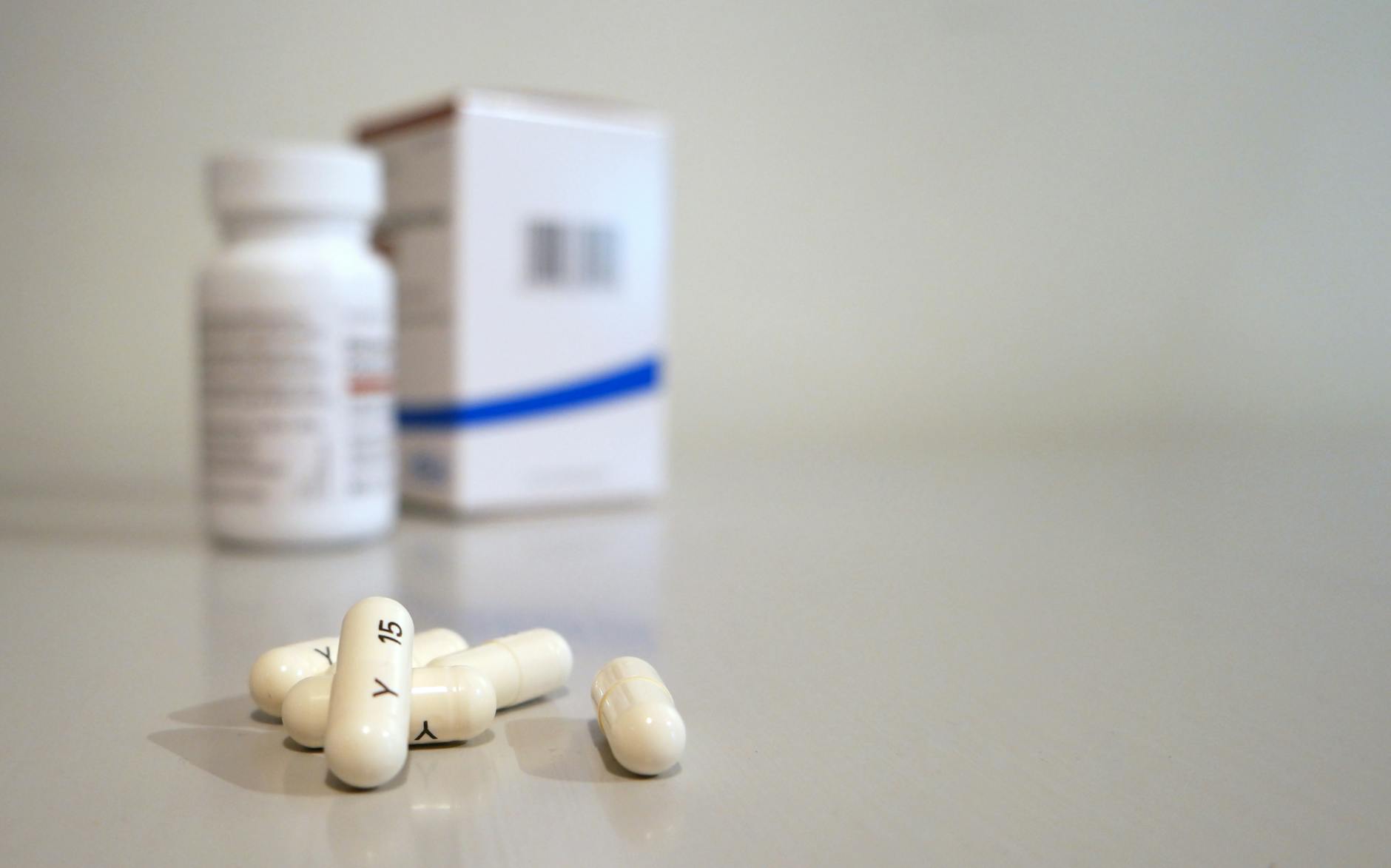
- New study links glucosamine to 25% faster Alzheimer's progression
- Findings focus specifically on patients with mild cognitive impairment
- Researchers urge caution for seniors using joint supplements
- The 1994 supplement law limits FDA oversight on safety
- Clinical experts advise reviewing all supplements with primary care doctors
Millions of Americans take glucosamine every morning, hoping to soothe aching knees and stiff joints. New data suggests these daily pills might carry a hidden cost for the brain. A major study released this summer indicates that regular use of the supplement is linked to a 25% faster progression of Alzheimer's disease in patients already showing signs of mild cognitive impairment.
The findings, which emerged from clinical observations throughout the first half of 2026, have sent shockwaves through the geriatric medical community. Patients who rely on the supplement for joint pain now face a difficult choice between physical comfort and long-term cognitive health. Researchers pointed out that the link is strongest in those who have already started the transition into dementia.
The data suggests that the chemical interaction between the supplement and the brain's inflammatory pathways may be more complex than previously understood. Experts said the discovery requires an immediate review of how doctors manage joint pain in patients with early signs of memory loss.
- 25% increase in the speed of cognitive decline for regular users.
- Study focused on patients with existing mild cognitive impairment.
- Data collected and analyzed through June 2026.
- Findings published across multiple health research platforms this year.
This discovery changes the standard of care for millions of families. Doctors previously viewed glucosamine as a relatively benign intervention for osteoarthritis. Now, that assumption faces a stern test. The reality for many is that the search for physical relief may have inadvertently opened a door to faster mental decline.
Decoding the Biological Link in Cognitive Impairment
Medical professionals are working to understand the exact mechanism behind this accelerated decline. The brain is a sensitive organ, and researchers noted that certain anti-inflammatory supplements can trigger unexpected responses when the blood-brain barrier is compromised. In patients with mild cognitive impairment, the brain's internal defense system is often already under strain from amyloid-beta plaques and tau tangles.
Experts said that while glucosamine is intended to support cartilage, it may influence metabolic pathways that affect how the brain manages inflammation. When these pathways are altered, the brain's ability to clear toxic proteins might diminish. This, in turn, allows Alzheimer's pathology to advance more rapidly than it would in a patient not taking the supplement.
The study tracked a large cohort of individuals who were already monitored for cognitive shifts. Researchers excluded other variables like age, pre-existing vascular disease, and diet to isolate the impact of the supplement. The result remained consistent: those who took glucosamine saw their cognitive scores drop at a rate one-quarter faster than those who did not.
This is not a matter of a single bad reaction. The data indicates a steady, measurable change in the trajectory of the disease. While the exact chemical pathway remains under investigation, the clinical correlation is clear. Doctors are now warning that the supplement should not be viewed as a harmless addition to a daily routine for those with neurodegenerative risks. The brain is not an isolated system; what we swallow for our joints inevitably travels through our bloodstream and eventually reaches the brain.
The Regulatory Gap Facing American Supplement Shelves
The federal government has long struggled to regulate the supplement industry. Under the Dietary Supplement Health and Education Act of 1994, manufacturers do not need to prove that their products are effective or safe before they hit store shelves. The Food and Drug Administration only steps in after a product has already caused measurable harm to the public. This regulatory environment creates a massive blind spot for consumers.
Millions of Americans assume that if a bottle is for sale at a local pharmacy or grocery store, it must be safe. This trust is often misplaced. The supplement industry generates billions of dollars in annual revenue, and the marketing budgets for joint health products are enormous. Because the FDA lacks the authority to screen these products for long-term cognitive side effects, the burden of proof falls on independent researchers and academic institutions.
Health officials said that the current system leaves patients vulnerable. When a study links a common product to a severe condition like Alzheimer's, the government lacks the fast-track authority to pull the product from shelves. Instead, the process relies on public awareness and voluntary changes in consumer behavior. This means that a dangerous or counterproductive supplement can remain on the market for years after the initial warning signs appear.
The lack of oversight is a systemic issue. Experts noted that the 1994 law was written during a different era of medical understanding. Today, we know far more about the interaction between supplements and chronic disease. Yet, the legal framework has not kept pace with the science. Consumers must become their own advocates, treating every supplement bottle with the same skepticism they would apply to a prescription drug.
Why Millions of Seniors Trust the Glucosamine Promise
The popularity of glucosamine is rooted in the aging American population's desire to remain active. As baby boomers reach their 70s and 80s, the prevalence of osteoarthritis has soared. Many seniors find that prescription painkillers have too many side effects, leading them to seek alternatives in the supplement aisle. Glucosamine, often paired with chondroitin, has become a staple of the medicine cabinet.
The marketing of these products suggests that they 'rebuild' cartilage. While the clinical evidence for this claim has always been mixed, the placebo effect and the genuine desire for relief keep sales high. For many, the ritual of taking the supplement is a way to feel in control of their physical health. It is a daily promise that they are doing something to keep themselves moving.
However, this ritual now carries a heavy psychological weight. The recent study has forced a re-evaluation of this daily habit. Seniors who have been taking the supplement for a decade or longer are now questioning if their cognitive health was the price they paid for better knees. This is a difficult realization for a demographic already facing the specter of dementia.
The emotional impact of this news cannot be overstated. Patients are not just losing a supplement; they are losing a sense of security. Doctors report that their offices are receiving a surge of calls from patients asking whether they should stop their regimen immediately. The answer, according to most, is a cautious 'yes' until further research provides a clearer picture. The trust that was built over years of daily use is being replaced by a sense of betrayal.
Clinical Guidance for Those Living with Mild Cognitive Impairment
What should a patient do if they have been taking glucosamine? Medical experts said the first step is to speak with a primary care physician or a neurologist. Stopping a supplement suddenly is rarely dangerous, but it should be done in the context of a broader health plan. Patients should bring a full list of all vitamins, minerals, and herbal products they take to their next appointment.
Doctors are now adding 'supplement review' to their standard cognitive screening process. This is a vital change. Many patients forget to mention supplements because they do not consider them 'medicine.' However, in the context of Alzheimer's, every substance that crosses the blood-brain barrier is relevant.
Experts noted that there are other ways to manage joint pain that do not carry the same cognitive risks. Physical therapy, low-impact exercise, and anti-inflammatory diets are often more effective than supplements for long-term joint health. These interventions also have the added benefit of being good for the brain. Exercise, in particular, is one of the best ways to protect against cognitive decline.
The goal is to move away from a 'pill-for-every-problem' mindset. For patients with mild cognitive impairment, the focus should be on brain-first health. This means prioritizing sleep, mental stimulation, and cardiovascular health. If a supplement interferes with these goals, it has no place in the patient's routine. The medical community is currently drafting new guidelines to help doctors navigate these conversations with their patients.
Beyond the Bottle: Future Research into Neuro-Degeneration
The discovery regarding glucosamine is just one piece of a much larger puzzle. As researchers continue to explore the factors that accelerate Alzheimer's, they are finding that our environment and our choices play a larger role than we previously imagined. The next phase of research will likely focus on how other common supplements interact with the brain.
We are entering a new era of personalized medicine. The days of 'one size fits all' health advice are ending. Future studies will likely look at how genetics influence the way we process different compounds. Some individuals may be more susceptible to the negative effects of certain supplements than others. This kind of granular data will be essential for creating safer health guidelines for the elderly.
In the meantime, the scientific community is calling for more transparency from the supplement industry. If a product is going to be marketed to seniors, it should be held to a higher standard of safety. The 25% increase in cognitive decline is a wake-up call that we cannot afford to ignore. The path forward requires a combination of better regulation, more rigorous clinical research, and a more informed public.
As we look to the future, the focus must remain on the patient. Every study, every headline, and every warning is ultimately about improving the quality of life for those living with neurodegenerative conditions. The lesson of the glucosamine study is that we must be cautious about the substances we introduce into our bodies. We are still learning how the brain works, and until we have all the answers, it is better to prioritize caution over convenience. The search for a cure for Alzheimer's is ongoing, but in the meantime, avoiding known risks is the best strategy we have.