Making 5 Common Snacks at Home: A ₹450 Experiment on Health
A major study published in the journal Family Medicine and Community Health on September 22 has sent shockwaves through the nutrition sector. Researchers tracked 8.8 million people to establish a clear link between the consumption of ultra-processed foods (UPFs) and an increased risk of early death. According to industry reports, the global consumption of ultra-processed snacks has surged significantly, mirroring the rise in lifestyle-related health concerns. This is not just about weight gain or sugar spikes. Experts noted that the chemical composition of these foods—often laden with hydrogenated oils, artificial sweeteners like high-fructose corn syrup, and synthetic emulsifiers—triggers systemic inflammation that the body struggles to manage. For the average Indian consumer, who has seen a massive surge in the availability of packaged snacks, this data hits home. Whether it is a packet of chips costing ₹20 or a shelf-stable biscuit pack for ₹10, the convenience often hides a toxic reality. The study suggests that the more of these foods a person eats, the higher their risk of chronic disease. This is the moment to reconsider what sits in the pantry. • Researchers analyzed data from 8.8 million participants to reach these findings. • Chemical-based preservatives are now identified as primary health disruptors. • The correlation between UPF intake and early mortality remains consistent across different demographics. The challenge for most families is the trade-off between time and health. In a fast-paced urban environment, the allure of a ₹30 packet of chips is hard to ignore. However, the true price of these snacks is measured in long-term health outcomes. If we want to avoid the risks identified by the latest medical data, we must look at what we are putting on our plates every single day.
Cracking the Code on ₹300 Potato Chips
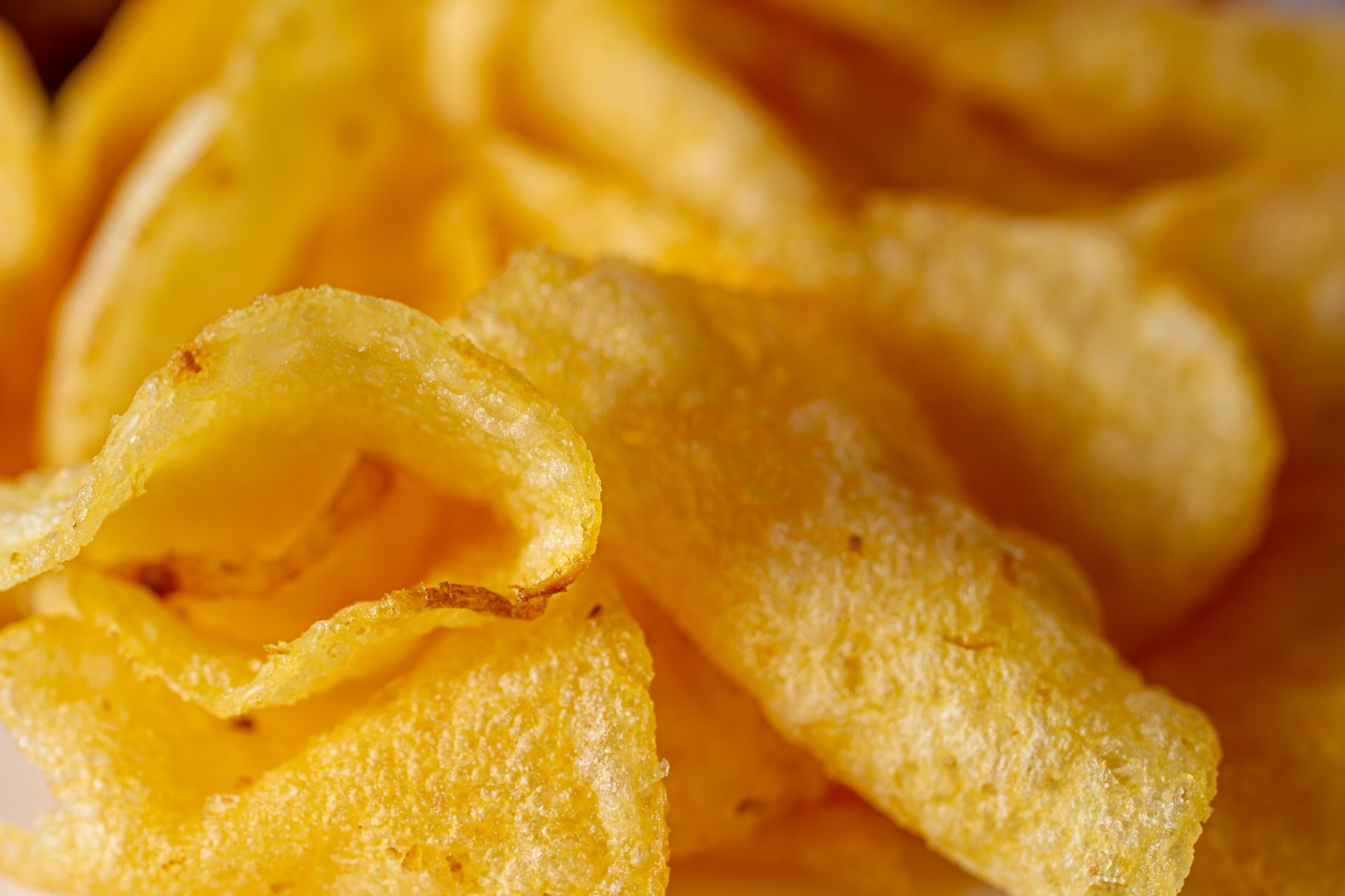
To understand the reality of ditching the packet, I spent last weekend in my kitchen attempting to recreate five common snacks. The first target was the humble potato chip. A standard 100g bag of branded chips costs roughly ₹40, but it comes with a list of additives that sound like a chemistry experiment. Making these at home required three large potatoes, a mandoline slicer, and high-quality sunflower oil. The process took exactly 45 minutes from start to finish. The cost of ingredients was approximately ₹120, which is triple the price of a store-bought bag. However, the quality was starkly different. My homemade chips contained only potatoes, salt, and oil. There were no hidden emulsifiers or flavor enhancers designed to make me crave the next bite. • Total preparation time for homemade chips: 45 minutes. • Cost comparison: ₹120 homemade versus ₹40 store-bought. • Ingredient count: 3 items homemade versus 15+ in commercial packets. The flavor profile was cleaner, but the texture lacked that addictive crunch that food scientists spend years perfecting. This is the core of the UPF problem. Commercial manufacturers use specific chemical additives to trigger a 'bliss point' in the brain. When you make food at home, you lose that engineered addiction, which is actually a win for your health. While the cost is higher, the absence of synthetic preservatives is a significant trade-off that families should consider.
Why Waitrose is Removing Additives from Every Shelf
The retail industry is finally starting to feel the pressure from consumers who are reading labels with newfound skepticism. Waitrose, a major grocery retailer, recently launched a 'Good Health' revamp. The initiative focuses on removing additives and ingredients that are difficult for the average person to identify. Government figures show that consumer demand for transparent labeling and cleaner ingredients has reached an all-time high, prompting retailers to re-evaluate their product sourcing. This move is a direct response to the growing awareness that ultra-processed foods are not just empty calories, but potentially harmful substances. Retail experts noted that the demand for cleaner labels is at an all-time high. Consumers are no longer satisfied with vague 'natural flavors' or 'modified starch' on the back of a package. By classifying products as non-HFSS—not high in fat, salt, or sugar—retailers are trying to regain trust. In India, similar trends are emerging, with local brands slowly shifting toward 'clean label' marketing to attract health-conscious buyers. • Waitrose initiative focuses on zero additives or unrecognizable ingredients. • Products must now carry at least one valid health or nutrition claim to be featured. • The move aims to combat the prevalence of markers commonly associated with UPFs. This shift by major retailers is a clear indicator that the tide is turning. When a supermarket chain prioritizes ingredient transparency, it forces competitors to follow suit. For the consumer, this means that the gap between 'cheap processed food' and 'healthy whole food' is beginning to narrow. We are seeing a market correction where health is finally being treated as a premium feature rather than an afterthought.
The Time-Cost Paradox of Homemade Mint Slices
The second item on my list was the melty mint slice—a classic sweet treat that usually contains a laundry list of hydrogenated oils and stabilizers. Making these from scratch was an eye-opening experience in terms of labor. I needed fresh mint, high-quality dark chocolate, and a base of almond flour and coconut oil. The preparation took over two hours, including chilling time. The financial outlay was significant. While a box of processed mint slices might cost ₹150, the ingredients for my homemade version cost nearly ₹450. The difference is the hidden subsidy of mass production. Commercial manufacturers buy ingredients in massive quantities, bringing the cost per unit down to a fraction of what a home cook pays. • Homemade mint slice cost: ₹450 per batch. • Commercial equivalent cost: ₹150. • Time investment: Over 2 hours of active and passive labor. The result was a product that actually tasted like mint and chocolate, not like a chemical imitation. However, the time-cost paradox is real. Most working families simply do not have two hours to spend on a single dessert. This is why ultra-processed foods remain the default choice for millions. They are not just cheap; they are a necessary time-saver for a population that is constantly on the move. We need to find a middle ground where healthy food is both accessible and convenient.
Decoding the Science of Emulsifiers and Early Death
Why exactly are these foods so dangerous? The science points toward the gut microbiome. When we consume emulsifiers—substances used to keep oil and water mixed in products like dressings, ice cream, and bread—they can disrupt the delicate lining of the gut. This disruption allows bacteria to enter the bloodstream, triggering chronic inflammation. This is likely the mechanism behind the link to early death identified in the recent study of 8.8 million people. Experts stated that we are essentially feeding our gut bacteria a diet that they were never evolved to handle. The human body is designed to process whole foods, not synthetic compounds that have been engineered to stay stable on a shelf for 18 months. When you eat a homemade meal, you are providing your body with recognizable nutrients. When you eat a packet of ultra-processed snacks, you are essentially asking your liver and gut to process non-food items. • Emulsifiers can compromise the gut lining and lead to systemic inflammation. • Chronic inflammation is a known precursor to heart disease and metabolic syndrome. • The study emphasizes that the risk accumulates over time, making consistent consumption the primary danger. The medical community is now calling for clearer labeling on these products. Just as we have warnings on tobacco, some researchers argue that the presence of high-risk chemical additives should be flagged on food packaging. Until then, the burden of knowledge lies with the consumer. We have to be the ones who read the back of the packet and decide if that convenience is worth the long-term biological cost.
Balancing Kitchen Convenience with Long-Term Health
After a week of testing, the conclusion is clear: making everything from scratch is not a realistic solution for every meal. However, it is a powerful diagnostic tool for understanding what is in our food. I realized that by choosing just two or three items to make at home—like bread or simple snacks—I could significantly reduce my intake of synthetic chemicals. You don't have to become a full-time chef to improve your health. The strategy for the modern household should be one of substitution, not total exclusion. If you can't make chips from scratch, try roasting chickpeas or nuts with olive oil and sea salt. These alternatives take 10 minutes, cost a fraction of the price of processed snacks, and contain zero additives. The goal is to move away from the 'ultra-processed' category and toward 'minimally processed' options. • Roasted chickpeas or nuts are quick, healthy alternatives to chips. • Focus on replacing the top three most consumed UPFs in your diet. • Small, consistent changes have a larger impact than temporary, extreme diets. As we move into the final quarter of 2026, the conversation around food quality will only grow louder. The study of 8.8 million people is a wake-up call that we cannot ignore. By being mindful of our choices and pushing for better standards in the grocery aisle, we can protect our long-term health. The next time you reach for a snack, take a moment to look at the ingredients. Your future self will thank you for the extra two minutes of effort.