WVU Game Day Tech Guide: How to Stay Connected at the Stadium
- Your smartphone is now the primary tool for game day entry and fan engagement.
- Data latency remains the biggest hurdle for streaming games at home.
- Real-time analytics provide deeper insights than traditional TV broadcasts.
- High-density Wi-Fi networks in stadiums change how fans share content.
How to Optimize Live Streaming During WVU Football Games
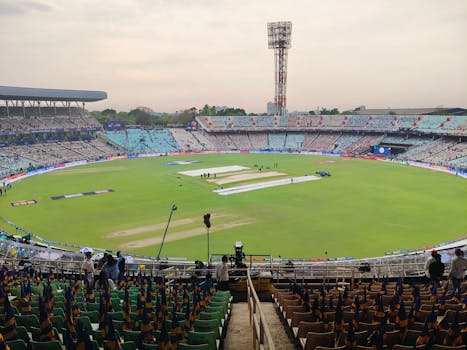
WVU football in September 2026 is less about the grass and more about the digital ecosystem surrounding the Mountaineers. For you, this means your smartphone is now as essential as your gold and blue jersey. Whether you are watching from the Milan Puskar Stadium stands or a living room couch, the way you consume the game relies on high-bandwidth connectivity and instant data syncing. You aren't just watching a match anymore; you are participating in a live-streamed network of stats, betting lines, and social interactions. If you don't have a reliable connection or a solid power bank, you are effectively sitting in the dark while the rest of the fanbase stays synced.
Why Reliable Connectivity is Essential for Mountaineer Fans
Streaming a game requires more than just a subscription. You need a low-latency connection to avoid the spoiler effect where your neighbor screams before your feed updates. Most fans find that wired Ethernet connections to a smart TV perform about 20% better than standard Wi-Fi during peak usage hours. If you are on a mobile network, ensure your provider supports 5G-Advanced for consistent throughput. But remember, every stream is buffered; if you are checking live betting lines or Twitter, you will see the outcome seconds before the play finishes on your screen. So, silence your notifications if you want to avoid ruining the surprise.
Essential Tips for Using Stadium Wi-Fi at Milan Puskar
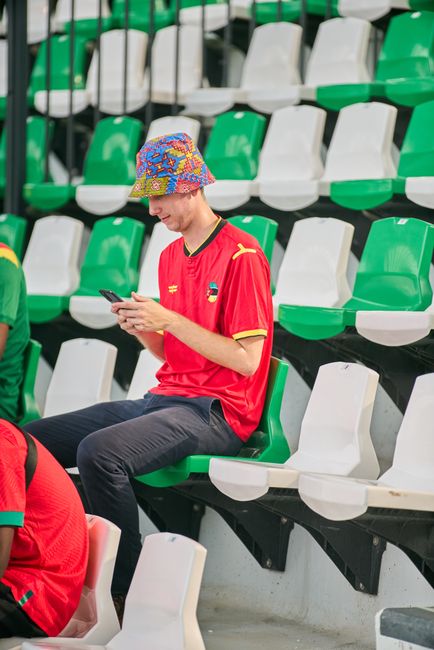
The transition to mobile-first ticketing and cashless concessions is complete at most major venues. You no longer need to worry about a physical ticket getting lost in the parking lot. These systems allow the university to track crowd flow in real-time, helping them open extra gates when congestion reaches a certain threshold. It also means you should check the official WVU athletics app before leaving home. It provides your gate number, parking instructions, and digital concession menus all in one place. Just keep an eye on your battery; keeping your screen at full brightness for three hours will drain most phones by the fourth quarter.
How to Stay Synced with Real-Time Mountaineer Game Updates
You now have access to the same tracking data that coaches used to keep secret. Companies like Zebra Technologies provide player-tracking tags that transmit speed, distance, and acceleration data directly to fan-facing interfaces. Instead of just seeing a touchdown, you can see that the receiver hit 21 miles per hour during the sprint. This adds a layer of depth to the game that traditional broadcasting simply cannot match. It’s no longer just about who wins, but how efficiently they moved across the field. If you are a numbers person, checking these secondary apps is the best way to understand why a specific play call worked.
Common Challenges of Connected Stadiums for Fans
Connectivity comes with a cost. The primary downside is the loss of the 'unplugged' atmosphere that sports used to provide. When 60,000 people are all uploading high-resolution video at the same time, network congestion can happen even with high-density infrastructure. You might find that your social media posts fail to send, or that your digital ticket refuses to load at the gate. It is always smart to take a screenshot of your QR code before entering the stadium. That way, you have a local copy that doesn't rely on a spotty cellular signal.
How to Track Live Player Stats During WVU Games
To get the most out of your game day, look for platforms that integrate official NCAA data feeds. These services offer live updates that are usually within two seconds of real-time action. You can filter by individual player to see their total yardage or target count throughout the game. But be careful. Many of these apps are ad-heavy and can consume your data plan faster than expected. Use a dedicated, lightweight stats app rather than a general-purpose news site to keep your bandwidth usage low.
Frequently asked questions
Yes, WVU provides public Wi-Fi for fans at Milan Puskar Stadium, though connection speeds may fluctuate depending on total stadium attendance and network congestion.
You can conserve data by downloading digital tickets and maps for offline access, disabling background app refreshes, and prioritizing stadium Wi-Fi over cellular data.
High-density crowds often cause cellular network congestion. To maintain a connection, try switching to the stadium's dedicated Wi-Fi or using apps that offer offline functionality.