FBS vs FCS: Understanding NCAA Division I Football Differences
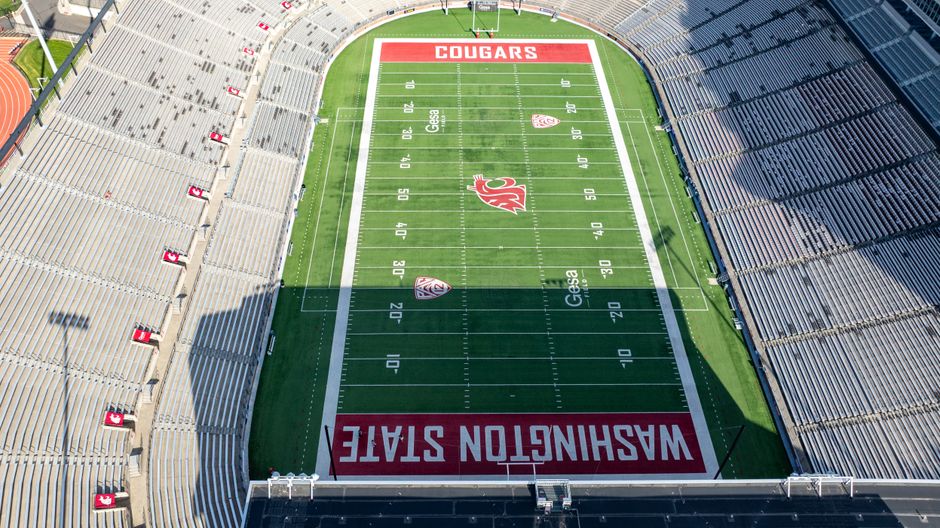
- FBS teams are limited to 85 scholarships, unlike the FCS.
- Not all FBS programs have the same financial resources or stadium requirements.
- Postseason bowl games function primarily as revenue-generating events.
- Conference affiliation dictates much of a program's competitive schedule.
What are the key differences between FBS and FCS football?
The NCAA Division I Football Bowl Subdivision (FBS) is the highest level of college football, defined by its 85-scholarship limit and traditional postseason bowl games. The most common mistake fans make is conflating FBS with the Championship Subdivision (FCS), which operates under different scholarship rules and playoff structures. To avoid confusion, check the official NCAA member list for a team’s classification. FBS schools must sponsor at least 16 sports and meet specific stadium capacity requirements to maintain their status. While these rules ensure a high standard of competition, they also create massive budget gaps between top-tier programs and smaller schools. By focusing on scholarship caps and conference affiliation, you can accurately distinguish between the competitive tiers of college football.
How do NCAA scholarship limits work for FBS teams?
Many people assume all Division I schools play under the same rules. That is incorrect. The FBS is allowed 85 full scholarships, whereas the FCS is limited to 63. This difference dictates the depth of a roster and the overall talent pool. If you are tracking a team, look for the 'Bowl Subdivision' tag on the NCAA website. Don't confuse the two just because they both carry the Division I label. They represent two distinct ways of managing a collegiate football program.
What are the official eligibility requirements for FBS players?
One major error is treating every FBS team as if it has the same resources. In reality, the financial gap between a school in a major conference and a smaller independent program is vast. Some schools generate hundreds of millions in revenue, while others struggle to cover travel costs for non-revenue sports. This disparity leads to unequal recruiting power and coaching salaries. Always check a school’s conference affiliation to understand their financial standing. It is a mistake to expect the same performance levels from programs with fundamentally different budgets.
How are NCAA college football classification tiers structured?
People often view bowl games as simple championship matches. Actually, these games are largely designed to generate revenue and provide exposure for conferences and sponsors. A team doesn't necessarily need an undefeated record to play in a bowl game; they often need six wins to qualify. This makes the postseason a massive logistical effort involving travel, ticket sales, and television contracts. It is not just about the trophy. The downside is that players endure extended seasons that can interfere with academic schedules.
Why academic eligibility is critical for student-athletes
Recruiting and eligibility are complex processes that many fans oversimplify. Athletes must meet specific NCAA core course requirements and GPA minimums to compete at the FBS level. These standards are not suggestions; they are strict mandates. If an athlete fails to meet these, they lose their eligibility to play. Pay attention to NCAA Clearinghouse updates if you follow high school prospects. It is a common mistake to assume that raw talent alone is enough to step onto an FBS field.
How conference realignment impacts FBS football
The conference landscape shifts frequently, which changes who plays whom and when. Assuming a team will always play a regional rival is a mistake in the current era. These shifts often happen for television market access rather than tradition. You should check current conference memberships before planning your season ticket purchases or travel. Teams move between leagues to secure more lucrative media rights deals. This constant change is the primary trade-off for the revenue growth seen in modern college football.
Frequently asked questions
FBS stands for Football Bowl Subdivision. It is the highest level of college football in the NCAA, consisting of schools that compete in bowl games and the College Football Playoff.
FBS programs are permitted a maximum of 85 full scholarships for their football roster, which is higher than the limit allowed for FCS programs.
Yes, FCS teams frequently play FBS opponents. These matchups are often referred to as 'money games,' where the FCS school receives a financial payout for playing the game.
The primary differences are scholarship limits, postseason structures, and the size of the athletic departments and stadiums required for membership.