How Wearable Electrolyte Sensors Enable Real-Time Sodium Monitoring
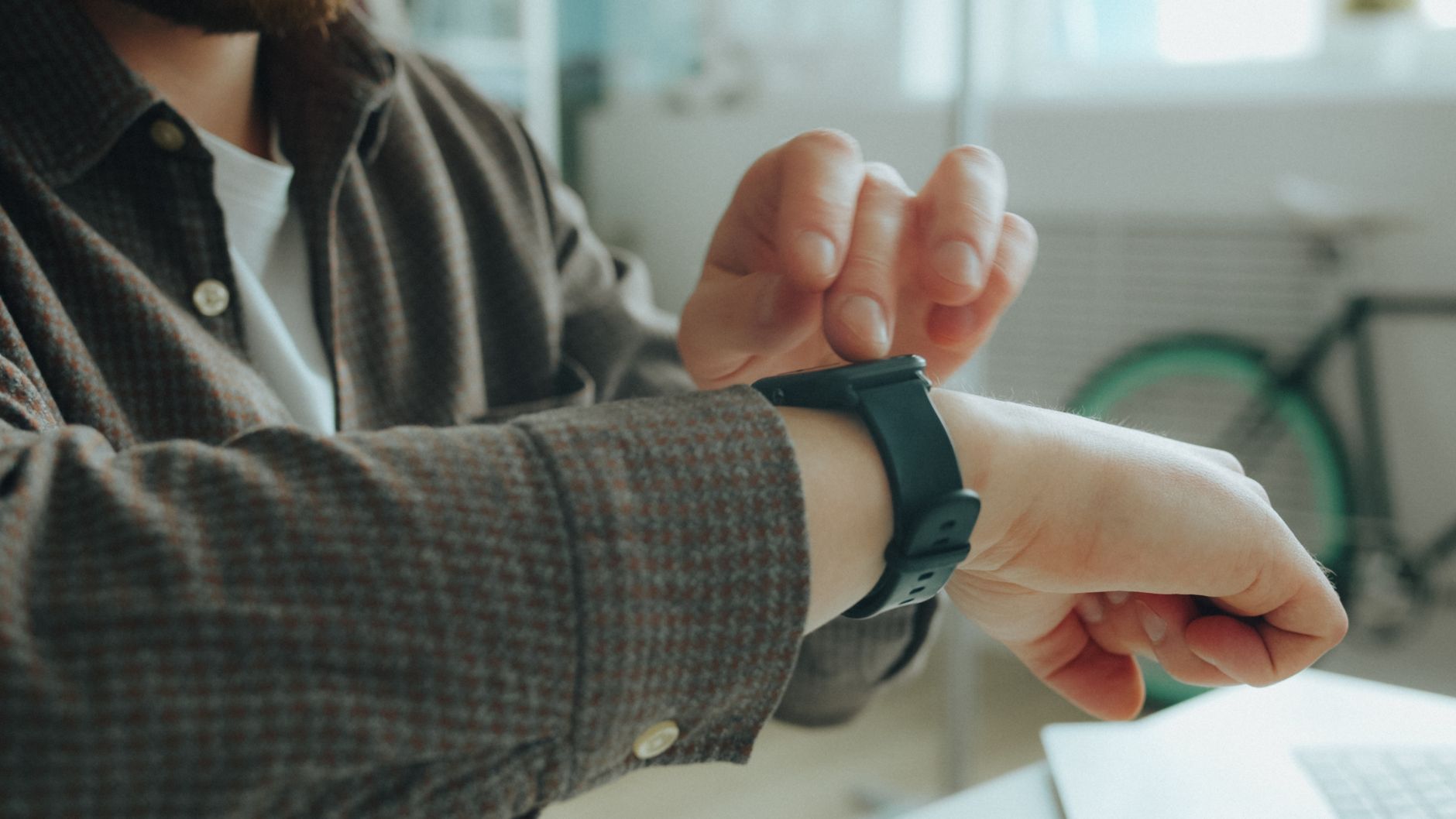
- New wristwatch-type sensors now enable real-time tracking of sodium and potassium.
- The device shifts electrolyte monitoring from periodic lab tests to continuous wear.
- Potential users include those tracking dietary intake and athletes managing hydration.
- Long-term accuracy and sensor durability remain key questions for potential buyers.
How does continuous electrolyte monitoring work?
On October 9, 2026, a wristwatch-type sensor was introduced to enable real-time monitoring of sodium and potassium, according to the report [1]. This device moves electrolyte tracking from the doctor's office to the wrist, allowing for continuous data collection. Instead of relying on a single blood or urine test, users can now watch their levels throughout the day. This change provides a way to observe how diet or exercise influences electrolyte balance in real time. However, it is important to remember that this technology is a tool for observation rather than a replacement for clinical diagnostic tests.
Why track sodium and potassium levels in real time?
Electrolytes like sodium and potassium are essential for nerve and muscle function. Standard monitoring methods usually provide only a static snapshot, which can miss fluctuations throughout the day. According to the announcement [1], this sensor aims to fill that gap by providing a constant stream of information. By tracking these levels, individuals may better understand their body's response to specific foods or physical activity. It turns a clinical necessity into a personal data point, making it easier to see shifts as they happen. But this convenience comes with a trade-off, as users must now interpret more data without the immediate guidance of a healthcare professional.
Is wearable health tech a replacement for clinical tests?
The primary audience for this device includes individuals managing conditions where sodium and potassium levels are critical. People monitoring their salt intake for blood pressure management or those with specific kidney-related health concerns may find the real-time feedback helpful. Athletes also stand to gain, as they can monitor electrolyte loss during training. According to the details in the report [1], the sensor is designed to make this monitoring easier for anyone who needs to track these minerals frequently. If you fall into these categories, the device might simplify your daily routine by reducing the need for repeated lab visits.
What is the future of real-time electrolyte tracking?
Before relying on this sensor, you should check for validation studies that compare the watch's output to standard clinical tests. Accuracy is the most important factor in health tech, so look for official documentation regarding how the device performs under various conditions. You should also watch for information on how often the sensor requires calibration or replacement. Check the manufacturer's user manual for details on skin contact requirements, as moisture and movement can sometimes interfere with wearable sensors. Keeping an eye on these performance details will help you decide if the device is ready for your specific needs.
What are the current limitations of wearable electrolyte sensors?
Several questions remain regarding the long-term reliability of these sensors. It is currently unclear how well the device maintains its accuracy over several months of consistent use. We also lack information on how the sensor handles extreme environmental conditions or high-intensity exercise that produces significant perspiration. While the technology is now available [1], the impact of skin oils and everyday wear on the sensor's lifespan is not yet fully documented. Until more users share their long-term experiences, it is wise to treat the data as an estimate rather than a definitive medical record.
- Wristwatch-type wearable sensor enables real-time monitoring of sodium and potassium — Google News, Oct 9, 2026
Frequently asked questions
These sensors utilize electrochemical biosensors to detect ion concentrations in sweat, allowing for continuous, non-invasive monitoring of electrolyte levels.
While they provide valuable real-time trends, current wearable technology is intended for health monitoring and is not yet a clinical replacement for diagnostic blood tests.
Athletes, individuals with chronic conditions like hypertension, and those managing specific hydration needs benefit most from the actionable data provided by these sensors.