Medical Device Tester Market Trends and Growth Forecast to 2035
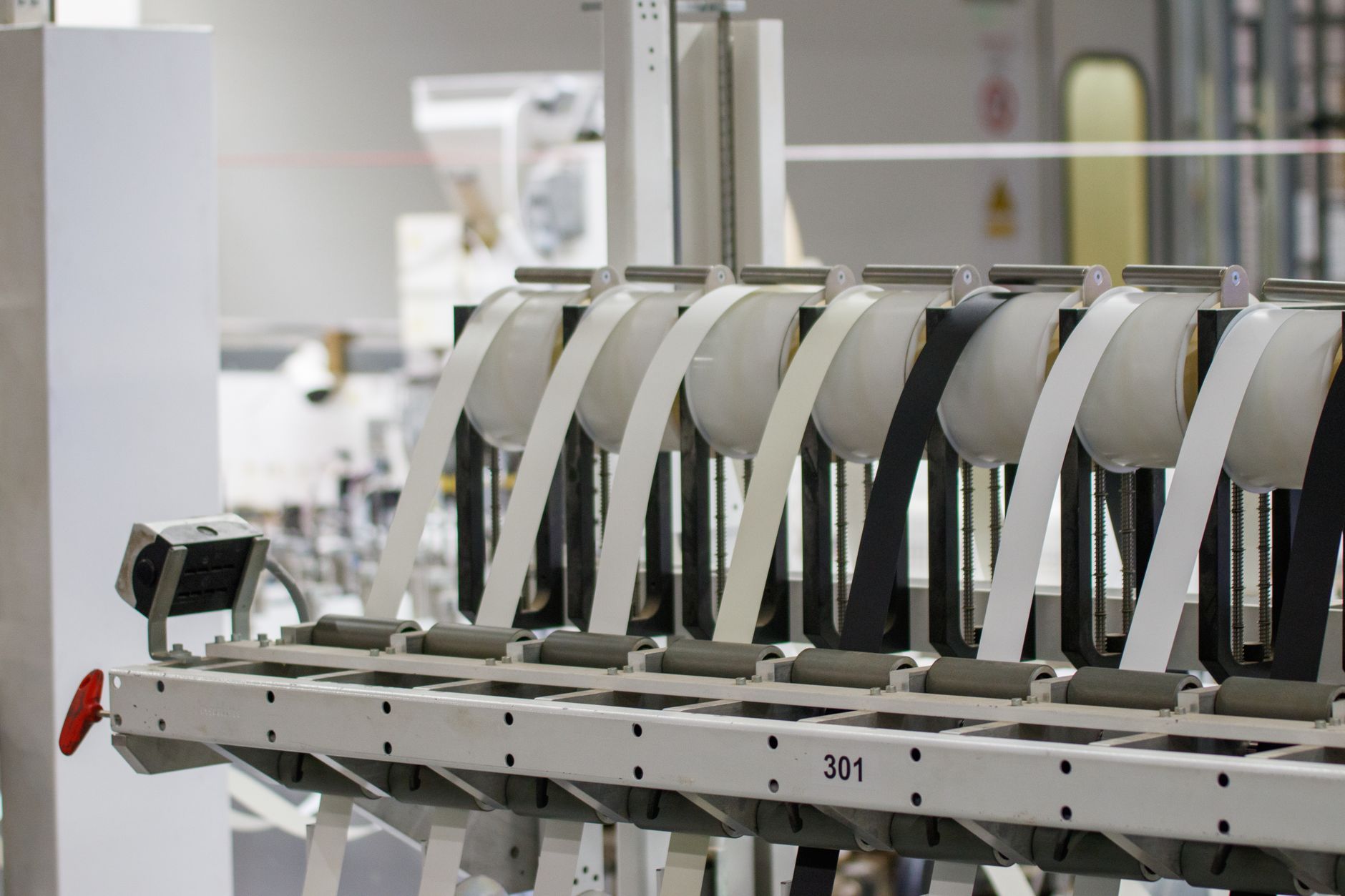
- Regulatory compliance is the primary driver for market growth.
- Smart facility integration remains a key factor for manufacturers.
- The forecast extends through 2035, highlighting long-term infrastructure needs.
- Manufacturers must balance high integration costs against testing mandates.
Why Are Medical Device Testing Standards Changing?
On October 9, 2026, industry projections for the medical device tester market were updated to account for trends extending through 2035. The update identifies two specific catalysts: stricter regulatory compliance mandates and the move toward smart facility integration. These factors are now the primary drivers for expected growth in this sector. Because regulatory bodies continue to tighten safety standards, manufacturers are shifting their testing strategies to ensure long-term equipment compatibility. This isn't just about meeting current rules. It's about building systems that can adapt to future requirements as they emerge over the next decade.
How Does Smart Facility Integration Impact Testing?
The push toward smart facility integration means that testing equipment must now communicate with broader factory data systems. Older, standalone testers are becoming liabilities in a connected environment. According to the market forecast, manufacturers are prioritizing devices that can provide real-time data back to central management hubs. This shift allows for faster detection of manufacturing flaws. But it also means that the barrier to entry for equipment providers is higher. Suppliers must now offer software interoperability alongside traditional testing hardware.
What Are the Primary Testing Equipment Trends Through 2035?
Medical device manufacturers face the most direct impact. If you manage a production floor, you are likely looking at a major hardware refresh cycle. Engineers and quality control teams must also adapt to new data protocols that integrate with their existing smart factory infrastructure. For these teams, the work is shifting from manual oversight to monitoring automated testing data. And for the companies selling these testers, the requirement is clear: provide integrated, compliant solutions or lose your spot in the supply chain.
Trade-offs in Adopting Automated Testing Equipment
Smart integration sounds efficient, but it introduces significant complexity. Adding connectivity to testing devices creates new digital security risks that factories didn't have to manage previously. A tester is no longer just a mechanical tool; it is now an internet-connected endpoint. This means your IT security budget will likely need to grow alongside your equipment budget. You gain transparency, but you also inherit the maintenance costs of keeping software and firmware updated across every unit on your floor.
Key Regulatory Milestones for Medical Device Testing
Keep an eye on how regulatory bodies handle the validation of smart testers. As factories integrate more digital tools, regulators will likely issue new guidance on how to certify these automated processes. Check the specific requirements from your local health authority regularly to ensure your chosen hardware remains compliant. If your facility is planning a major upgrade, look for vendors that offer modular testing platforms. These allow for easier updates without needing a total replacement when regulations inevitably change again.
Uncertainties in Future Medical Device Testing Standards
While the 2035 outlook is clear on the drivers, the specific cost of these upgrades remains hard to pin down. Prices for smart-integrated testers will fluctuate based on the speed of adoption and the complexity of future regulatory rules. It is not yet clear how many mid-sized manufacturers will struggle to afford these new standards. Watch for reports on market consolidation as smaller suppliers may find it difficult to keep up with the technical demands of the next decade.
- Medical Device Tester Market Forecast to 2035: Regulatory Compliance and Smart Facility Integration Drive Growth — Google News, Oct 9, 2026
Frequently asked questions
The market is primarily driven by increasingly stringent global regulatory compliance requirements and the transition toward smart, interconnected manufacturing facilities that require automated testing.
Smart facility integration enables real-time data collection and predictive maintenance, allowing testing equipment to identify defects faster and reduce downtime compared to traditional manual testing methods.
Regulatory bodies are mandating higher precision and more comprehensive documentation for medical devices, forcing manufacturers to upgrade to advanced testing equipment that ensures audit-ready data integrity.
Related reading
B. Braun BIS Division Closure: Support and Product Availability Guide
MMI Raises $125 Million to Expand Robotic Microsurgery Platforms

AI Predicts Alzheimer's Progression with 94% Accuracy Using XGBoost