William Penn University Invests $35k in Collaborative Robotics Lab
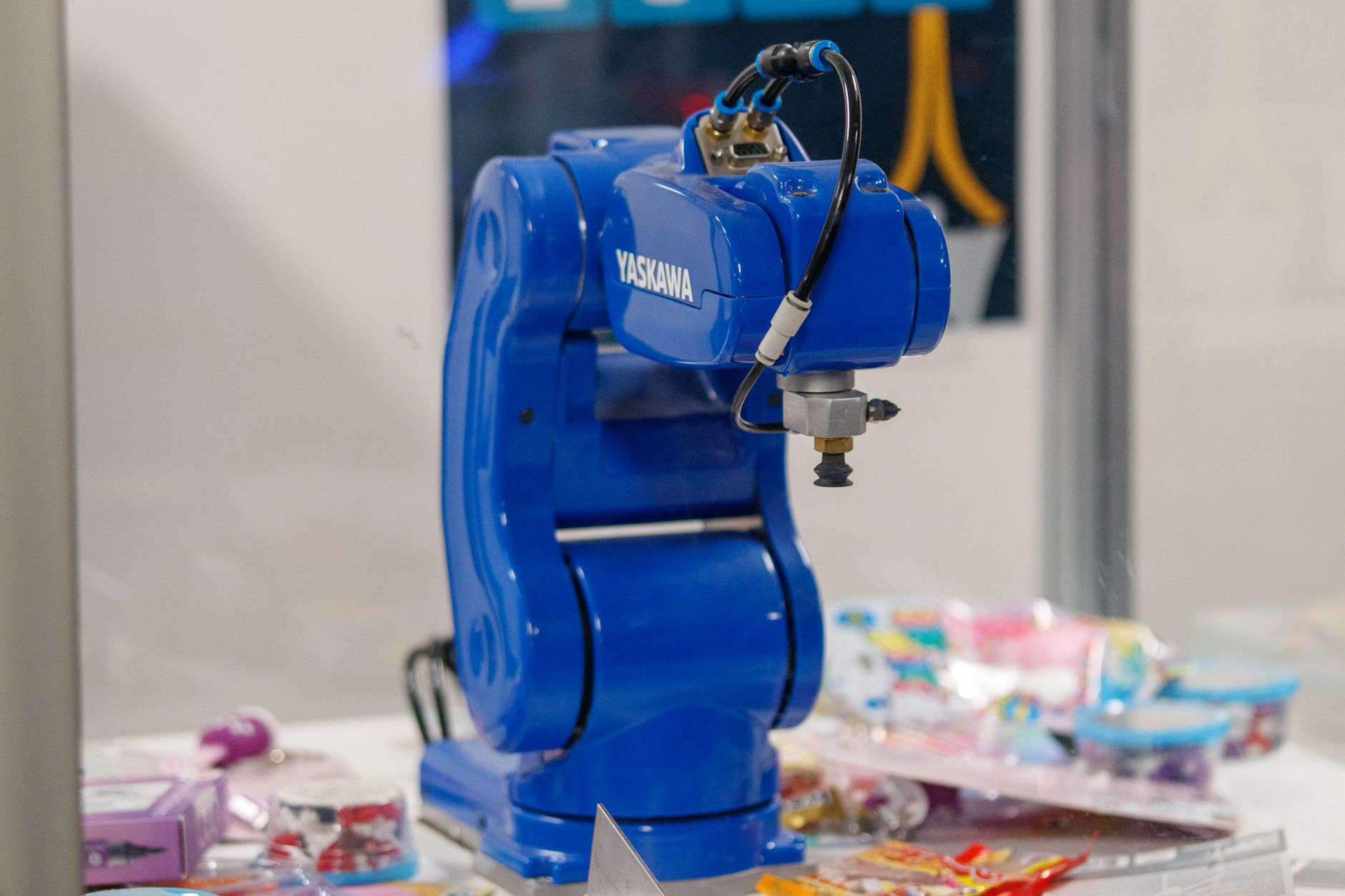
- William Penn University received $35,000 for a collaborative robotics system.
- The equipment supports industrial technology and engineering education.
- Collaborative robots operate safely alongside human workers.
- Long-term costs for software and maintenance often follow initial hardware purchases.
How do collaborative robots for education work?
William Penn University has secured $35,000 to purchase a collaborative robotics system for its industrial technology and engineering programs, according to an announcement on October 11, 2026. This money provides the department with new hardware for student training. These robots work in shared spaces with humans rather than behind safety cages. The institution expects the system to improve the technical curriculum for students in these specific fields.
Why is cobot training essential for industrial technology?
Collaborative robots, or cobots, perform tasks in shared workspaces. Unlike traditional industrial robots that require physical barriers for safety, these machines use sensors to stop when they detect human contact. This makes them common in training environments where students work in close proximity to the hardware. They provide a practical way to learn modern automation standards.
What automation training hardware is being added to the lab?
Securing $35,000 covers the initial purchase of the hardware. However, universities often face significant long-term expenses related to these systems. Costs include specialized software licenses, safety certification updates, and regular hardware maintenance. Faculty must undergo technical training to teach the system effectively. These operational fees often exceed the initial equipment budget over time.
Future Trends in University Robotics Education
Keep an eye on the university's course catalog for updates on new lab requirements or elective classes. Students should look for announcements regarding the installation timeline for the new machinery. It is also useful to observe how many students gain access to the equipment during a typical semester.
Challenges in Implementing University Robotics Labs
Several details regarding the implementation remain unclear as of October 2026. It is not confirmed which specific manufacturer or model the university chose for this robotics lab. The source material does not state if the $35,000 covers the entire project cost or if the school must provide additional matching funds. Readers should check official university statements for these specific financial details.
- William Penn University Secures $35,000 Toward Collaborative Robotics System for Industrial Technology, Engineering Programs — Google News, Oct 11, 2026
Add NewsPulse Time as a preferred source on Google
Frequently asked questions
Collaborative robots are designed to work safely alongside humans in shared workspaces, allowing students to learn programming, automation, and safety protocols in a real-world industrial environment.
As manufacturing shifts toward automation, proficiency in cobot operation and maintenance is a high-demand skill that directly improves student employability in modern industrial sectors.
Access to professional-grade hardware ensures that students gain practical experience with the same tools used in commercial manufacturing, bridging the gap between theoretical coursework and industry requirements.
Related reading

FreeCast Named Best Streaming Technology Platform of 2026
Gelion Sulfur Battery Technology: Advancing High-Power EV Performance

The Evolution of Battery Technology and American Energy Innovation