Automated Weapons Detection Systems for Hospital Security
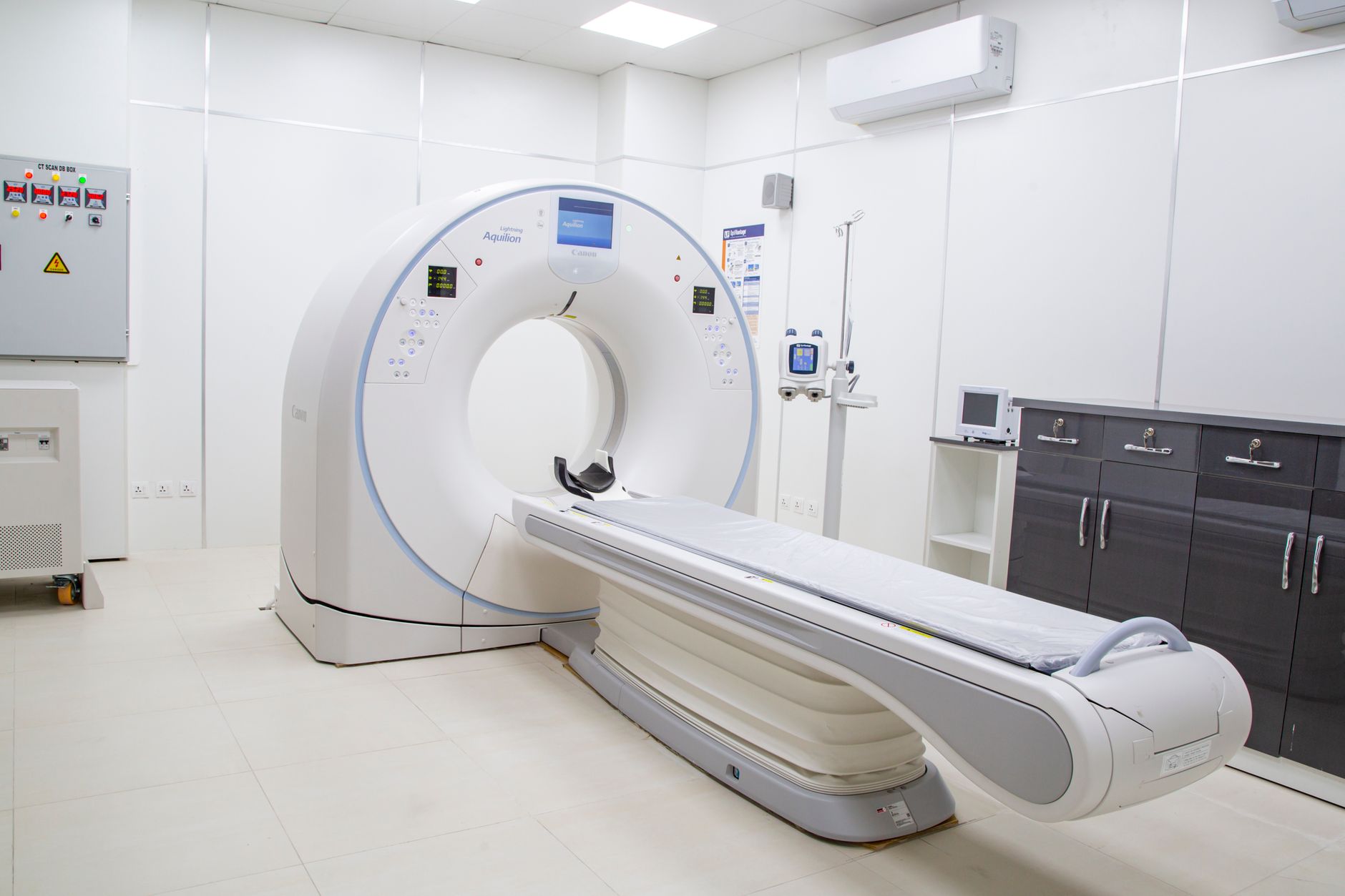
- ARH is implementing automated security screening across its hospital system.
- Automated systems improve throughput by scanning people without requiring them to stop.
- Manual wand screening is cheaper but slower and requires more personnel.
- Access control software provides the best data tracking for long-term security.
Benefits of Automated Weapons Detection in Healthcare Facilities
Automated security screening is the most effective choice for hospitals managing high pedestrian traffic. According to the Appalachian News-Express, ARH is currently rolling out this technology systemwide to improve safety for patients and staff [1]. These systems detect prohibited items while people walk through the entrance at a normal pace. This efficiency reduces bottlenecks at hospital doors. If your facility deals with high visitor volume, the cost of automated systems is often offset by the reduction in manual labor hours. It is an effective way to keep entry points clear while maintaining a controlled environment.
How Security Screening Systems Enhance Patient and Staff Safety
Choosing the right technology requires balancing speed with the level of security you require. Here are the four primary options for healthcare environments.
1. Automated Walk-Through Systems: These are ideal for high-traffic emergency rooms or main entrances. They scan people as they walk by, which keeps lines moving. The downside is that they require a significant upfront investment and check current price for installation costs.
2. Metal Detection Walk-Throughs: This is the standard for controlled access points where every person must be verified. They offer high accuracy for metallic items. The downside is that they force visitors to stop, empty pockets, and remove accessories, which creates congestion.
3. Handheld Wand Scanners: These suit small clinics with limited floor space. They are affordable and easy to store. The downside is that they are labor-intensive, as security staff must handle each person individually.
4. Access Control Software: This is best for internal staff areas rather than public entrances. It tracks entry logs and integrates with badge readers. The downside is that it does not detect physical weapons, only unauthorized access attempts.
| Technology | Best For | Downside |
|---|---|---|
| Automated Walk-Through | High-traffic entrances | High initial cost |
| Metal Detectors | Strict access zones | Causes congestion |
| Handheld Wands | Small clinics | High labor cost |
| Access Software | Staff areas | No object detection |
- ARH begins systemwide rollout of advanced hospital security screening technology - Appalachian News-Express — Google News, Oct 11, 2026
Add NewsPulse Time as a preferred source on Google
Frequently asked questions
Automated weapons detection systems use advanced sensors and AI to identify concealed weapons at entrances, allowing security teams to screen high volumes of people without the need for manual bag checks or physical pat-downs.
Yes, modern automated systems are specifically designed for high-traffic environments, enabling rapid, frictionless throughput while maintaining high accuracy in detecting prohibited items.
Most automated screening solutions are non-invasive and focus solely on detecting prohibited items, ensuring patient privacy is maintained while simultaneously enhancing facility-wide security.
Related reading

FreeCast Named Best Streaming Technology Platform of 2026
Gelion Sulfur Battery Technology: Advancing High-Power EV Performance

The Evolution of Battery Technology and American Energy Innovation