United Nations Budget Analysis: Does the UN Provide Value for Money?
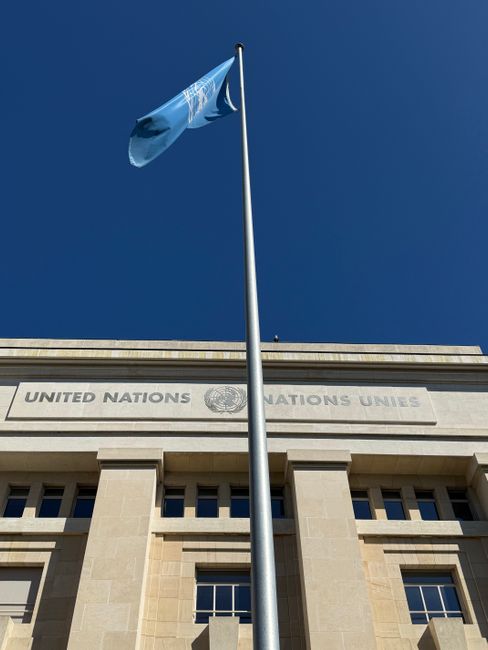
- The core UN budget is roughly $3.5 billion, but total annual spending across agencies exceeds $40 billion.
- The organization functions more like an expensive insurance policy than a profit-driven firm.
- Major operational hurdles include bureaucratic bloat and political gridlock among the Security Council.
- Withdrawal would likely trigger massive costs in global supply chain disruptions and refugee management.
How Is the United Nations Regular Budget Funded?
The United Nations is worth the investment only if you view it as an insurance policy against global catastrophe rather than a profit-generating enterprise. The core budget, known as the regular budget, totals roughly $3.5 billion annually, though total spending across all agencies and peacekeeping missions frequently pushes the figure toward $40 billion. From a purely financial standpoint, the return on investment is invisible during times of peace. But in an era of fractured supply chains and volatile trade, the organization provides a standardized framework for global logistics and legal arbitration. It is expensive, bloated, and often paralyzed by political infighting, yet it remains the only platform where every nation sits at the same table to settle disputes before they escalate into full-scale trade wars.
Does the United Nations Provide a Measurable Return on Investment?
Most taxpayers assume the UN has a massive, singular budget, but the reality is fragmented. The regular budget covers administrative costs, while peacekeeping missions are funded through a separate, larger account. According to the UN’s own financial documentation, the peacekeeping budget alone often requires over $6 billion annually. When you add in the voluntary contributions for agencies like the World Food Programme, the total footprint expands rapidly. The United States typically covers about 22% of the regular budget, which serves as the largest single contribution by any member state. You should check the latest UN financial report for specific year-over-year adjustments, as these figures fluctuate based on active conflict zones and emergency humanitarian needs.
What is the global economic impact of UN operations?
The money goes into two distinct buckets: operations and action. Administrative costs, including staff salaries and headquarters maintenance in New York and Geneva, consume a significant portion of the regular budget. But the bulk of the actual spending occurs on the ground. Peacekeeping missions in regions like the Democratic Republic of the Congo or South Sudan require massive logistical support, fuel, and equipment. Humanitarian agencies use their funding to manage vaccine distribution and food supplies in war-torn areas. Critics often point to the high overhead costs of these agencies, arguing that too much capital disappears into administrative layers before reaching the people who actually need it.
How Effective Is the United Nations at Preventing Global Conflict?
The UN does not prevent all conflict, and it frequently fails to stop aggression between major powers. Its true value lies in the 'soft power' it exerts through sanctions, diplomatic mediation, and the establishment of international law. Think of it as a forum for signaling. When nations communicate through the UN, they avoid the immediate escalation of misunderstandings that could trigger market crashes. The downside is that the Security Council is often deadlocked by vetoes from permanent members. This renders the body toothless during major geopolitical crises. You cannot expect the UN to function like a global police force, because it lacks the mandate and the unified budget to act as one.
What Are the Financial and Geopolitical Risks of Leaving the UN?
If major donors withdrew support, the immediate effect would not be a budget surplus for those nations. Instead, it would likely result in a collapse of global shipping standards and public health coordination. Without the UN’s regulatory bodies, air travel, postal services, and telecommunications would lack the synchronized standards that allow them to operate across borders. The cost of replacing these decentralized services would fall directly onto private companies. Businesses would face higher insurance premiums and more complex legal barriers to entry in foreign markets. A world without the UN is not necessarily a cheaper one; it is simply a world where the cost of doing business becomes significantly more unpredictable.
Frequently asked questions
The United Nations is funded primarily through assessed contributions from its 193 member states, calculated based on a scale of assessments that considers each nation's gross national income and population.
The UN's regular budget covers core administrative costs and is typically around $3 billion per year, though total spending—including peacekeeping and specialized agencies—is significantly higher.
While the UN is a non-profit organization, it provides economic value by stabilizing global markets, facilitating international trade, and reducing the massive costs associated with large-scale humanitarian crises and regional wars.