Oil Refinery Business Models: The Shift to Petrochemical Integration
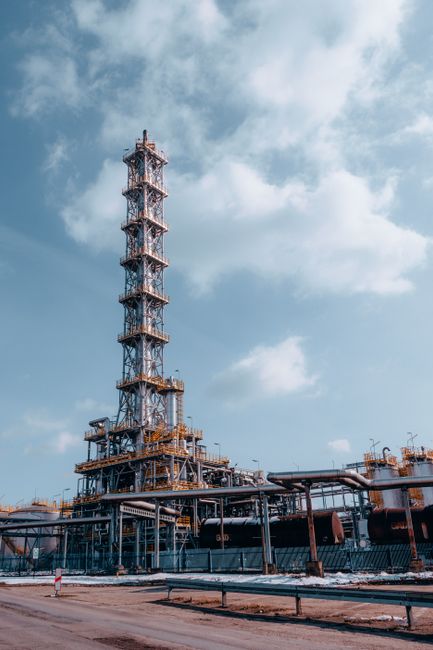
- Refineries are shifting production focus from transportation fuels to petrochemicals.
- Capacity utilization is now a better indicator of fuel prices than crude oil costs.
- High capital costs prevent the construction of new facilities, keeping supply tight.
- Specialized output creates higher profit margins but increases sensitivity to industrial demand.
Why is the oil refinery business model changing?
Refineries are moving away from producing only gasoline and diesel to focus on high-margin petrochemicals. This shift aims to insulate operators from the volatility of fuel demand while capitalizing on the growth of plastics and industrial materials. Because building new plants is prohibitively expensive, companies are instead retooling existing units for efficiency. This change matters because it alters how we calculate energy prices at the pump. When refineries prioritize chemical output over fuel, supply constraints can drive costs higher even if crude oil prices remain steady. You should watch capacity utilization rates to understand potential price spikes in your area. It is a fundamental change in how these facilities generate profit.
How does the petrochemical production shift impact margins?
The transition to petrochemicals allows refineries to diversify their revenue streams. Instead of relying solely on the demand for motor gasoline, which faces long-term pressure from electric vehicle adoption, companies are producing feedstocks for plastics, medical supplies, and fertilizers. According to industry data, petrochemical demand has grown consistently, often outperforming the growth in transportation fuels. But this pivot comes with a downside. When a refinery dedicates a larger portion of its capacity to chemical production, it leaves less room for fuel production. If demand for fuel unexpectedly spikes, the supply cannot be ramped up quickly to meet it.
What role does refinery capacity utilization play in pricing?
Capacity utilization is the percentage of a refinery's maximum output being used. When utilization is near 95% or higher, the system is essentially running at its limit. Any minor maintenance issue or weather event can trigger a significant supply bottleneck. Historically, retail prices correlate strongly with these utilization rates. You can find current utilization data on the Energy Information Administration website. If you see rates climbing toward the upper limit, expect price volatility at the pump. It is a direct supply-side signal that often gets ignored by casual observers.
How do fuel supply constraints affect energy costs?
Building a new refinery is an immense financial hurdle that most firms are unwilling to take. The capital investment required for a large-scale project often reaches billions of dollars. Furthermore, regulatory hurdles and long lead times for permits make it difficult to justify the expense in a market shifting toward alternative energy sources. Instead, operators focus on 'de-bottlenecking' existing units. This involves upgrading specific parts of a plant to boost efficiency by 5% or 10% without building an entirely new structure. It is a cheaper way to grow, but it does not add the massive volume of a new facility.
What are the risks of this transition?
The biggest risk for the industry is the potential for stranded assets. If the market for petrochemicals shifts or if global regulations tighten on plastic production, these highly specialized plants may struggle to pivot back to fuel production. Additionally, focusing on niche chemical markets makes refineries more vulnerable to global industrial cycles. If manufacturing slows down, the demand for these refinery products drops, hurting the operator's bottom line. Investors often price this risk into energy stocks, which is why refinery margins can be so volatile compared to traditional oil exploration companies.
How should you track refinery performance?
To understand the health of the sector, look at 'crack spreads.' This is the spread between the price of crude oil and the price of the refined products coming out of the facility. When the spread is wide, refineries are highly profitable. When it narrows, their margins shrink, and they may choose to reduce output or delay maintenance. You don't need to be an expert to follow this; major financial news sites report crack spreads regularly. If you see them tightening, it is a sign that the industry is facing pressure that will eventually reach the consumer.
Frequently asked questions
Refineries are pivoting to petrochemicals to reduce their reliance on volatile transportation fuel markets and capture higher, more stable margins from high-demand plastic and chemical feedstocks.
Integration allows refineries to diversify their revenue streams, enabling them to capitalize on the growth of the global chemical sector even when traditional fuel demand fluctuates.
High capacity utilization generally lowers the unit cost of production, while supply constraints caused by maintenance, unplanned outages, or refinery closures can lead to significant spikes in retail fuel prices.