How Tornado Insurance Deductibles Work and Hidden Costs
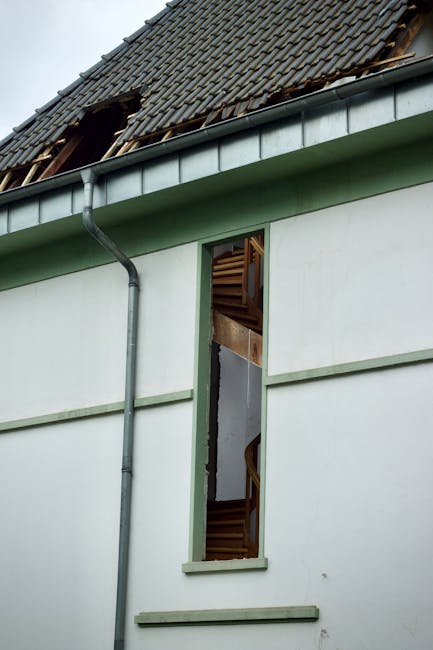
- Percentage-based deductibles often shift thousands of dollars in costs to the homeowner.
- Property tax assessments frequently fail to account for damage, forcing you to pay higher taxes on a destroyed home.
- Local labor shortages after a storm can inflate repair costs by 15-25%.
- Emergency liquidity is the only defense against immediate out-of-pocket recovery expenses.
What is a percentage-based wind deductible?
A tornado warning is a financial alarm, not just a weather alert. While most homeowners focus on roof repairs, the true cost often hides in the fine print of your insurance policy and the local tax assessment office. You will likely pay a percentage-based wind or hail deductible, which can cost between $5,000 and $15,000 on a typical $300,000 home. Beyond that, expect a temporary spike in property taxes if your home is assessed before the damage is fully accounted for. These costs add up quickly. Often, the hidden expenses of recovery exceed the physical repair estimates by nearly 20 percent.
How do hidden costs of tornado damage impact your finances?
Standard homeowners policies treat wind damage differently than other claims. Many insurers shifted to percentage-based deductibles years ago, meaning your out-of-pocket cost is tied to your home's total insured value rather than a flat fee. If your home is insured for $400,000 and you have a two percent deductible, you are responsible for the first $8,000 of damage. That is a significant hit to your emergency fund. Furthermore, insurers often use actual cash value rather than replacement cost for older roofs, leaving you to cover the depreciation gap.
Does homeowners insurance cover wind damage fully?
Local governments rely on property tax revenue to function, and they are notoriously slow to update records after a disaster. Even if your home loses significant value due to structural damage, your tax bill might remain based on the pre-storm valuation for the entire fiscal year. You must actively petition your local tax assessor to adjust your valuation downward. If you fail to file this paperwork, you effectively pay taxes on a home that no longer exists in its previous condition.
How to prepare for tornado recovery expenses?
Supply and demand rules apply to contractors just as they do to the stock market. When a community suffers widespread damage, the sudden surge in demand for roofing and siding services allows local tradespeople to raise prices. You might see repair quotes jump 25 percent above standard rates in the weeks following a storm. It is a classic seller's market where the buyer has zero leverage. Budgeting for these inflated costs is essential if you want to avoid cheap, hurried work that fails within a few years.
Does a tornado warning affect my credit score?
Financial stress following a storm often leads to missed payments on other debts. If you must tap into your savings or credit cards to cover the immediate deductible, your debt-to-income ratio will temporarily shift. This change can lower your credit score just when you might need a low-interest loan for major reconstruction. Always prioritize your mortgage and primary credit accounts during the recovery period. Protecting your credit score is as important as patching the hole in your roof.
How to build a financial emergency fund for tornado damage?
The best defense is a dedicated emergency fund that covers at least three percent of your home's total value. Keep this money in a high-yield savings account that you can access within 24 hours. Additionally, review your policy annually to ensure you understand your specific wind-deductible percentage. If you do not know this number, call your insurance agent today. Knowledge is your most powerful tool when the sirens start blaring.
Frequently asked questions
A percentage-based deductible is calculated as a percentage of your home's total insured value rather than a flat dollar amount. For example, a 2% deductible on a $300,000 home requires you to pay $6,000 out-of-pocket before insurance coverage begins.
Most standard homeowners policies cover wind damage, but many include separate wind or hail deductibles. You must check your policy's Declarations Page to see if your wind coverage is subject to a different deductible than your standard property claims.
Your wind deductible is clearly stated on the 'Declarations Page' of your homeowners insurance policy. If you cannot find this document, contact your insurance agent or provider to request a summary of your coverage limits and deductibles.
Related reading

Suvarna Keralam Lottery Results: Official Verification and Claim Guide

How the Indiana Fever Surge Impacts WNBA Operating Costs

Cam Whitmore Scouting Report: NBA Potential and Development Risks