The Real Cost of Professional Drag Racing: Full Season Budget Breakdown
- A single Top Fuel engine costs up to $100,000 and requires frequent rebuilding.
- Operating a competitive team requires $3 million to $5 million per season.
- The driver often functions as a full-time salesperson to secure essential sponsorship.
- Insurance premiums for high-speed racing teams are substantial and rarely discussed.
How Do Top Fuel Operating Costs Compare to Startup Burn Rates?
Professional drag racing looks like a high-octane career, but the underlying economics are brutal. It is not just about winning; it is about managing a burn rate that would terrify a typical venture capitalist. For drivers like Leah Pruett, the path to the winner’s circle is not just about driving skill—it is about the massive, often invisible capital required to keep a 12,000-horsepower machine moving. We are talking about millions in annual operating costs before the engine even turns over. Most fans see the glory, but the real story is in the ledger where parts, fuel, and logistics chew through budgets faster than a car hits 330 mph. You have to treat the team like a startup with a very limited runway.
What Is the True Drag Racing Team Budget for a Full Season?
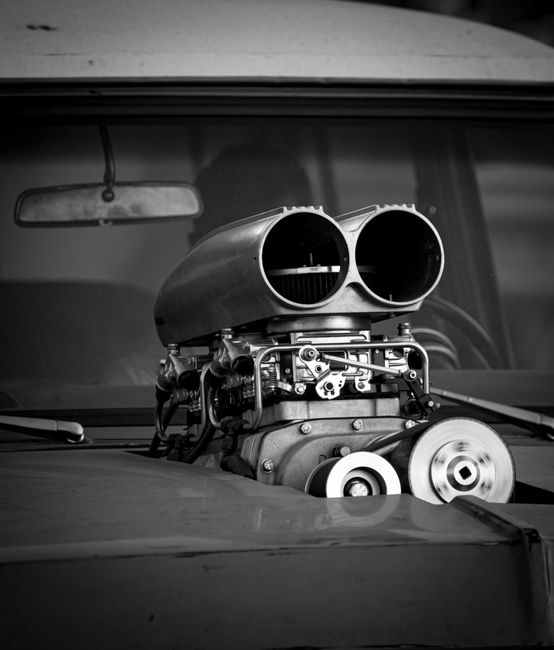
Drag racing is an industrial-scale financial commitment. A single Top Fuel engine costs roughly $80,000 to $100,000 to build, and it often requires a complete overhaul after every single pass down the track. You are not just paying for the car; you are funding a mobile machine shop. When you account for nitro methane fuel, which costs hundreds of dollars per gallon, the costs compound instantly. Teams must maintain a fleet of support vehicles, trailers, and specialized tools just to ensure they can compete on race day. If a piston fails during a run, you lose tens of thousands in seconds. It is a fragile business model where mechanical failure translates directly into a significant financial hit that must be absorbed by the team’s operating budget.
Why Is Motorsport Financial Management Critical for Team Survival?
Most outsiders assume drivers just sign a deal and the money appears. In reality, the driver is often the chief salesperson for the organization. Securing a primary sponsor for a full season can cost a brand upwards of $3 million to $5 million. If that sponsorship does not materialize, the entire program pauses immediately. It is a precarious ecosystem. Drivers must balance their time between track performance and high-stakes corporate appearances to ensure the lights stay on for the next event. If the marketing ROI for the sponsor drops, the funding disappears. This creates a constant, high-pressure cycle that keeps the driver focused as much on the boardroom as the starting line.
What Is the Actual Cost of a Top Fuel Engine?
Liability is the cost nobody likes to discuss in public. High-speed racing carries catastrophic risk, and insurance premiums for teams are astronomical. Carriers often view these teams as high-risk ventures due to the inherent danger of 330-mph collisions. Beyond the physical car, teams pay for specialized workers' compensation and liability coverage to protect their staff. These premiums can easily run into six figures annually. It is an unavoidable expense that does not help the car go faster, but it is necessary to exist. Without these policies, a single accident could bankrupt a team, making it a critical, yet quiet, line item in the annual budget.
Can a High Professional Racing Team Burn Rate Be Sustained?
From a pure financial standpoint, professional drag racing is rarely a profitable venture for the team owner. It is usually a marketing expense for a brand or a passion project for a wealthy individual. If you are looking for a traditional return on investment, look elsewhere. The depreciation on a custom-built dragster is near 100% because the parts are specialized to the point of being useless for anything else. You are buying a career in velocity, not a portfolio of assets. Most people involved in this sport do it for the love of the engineering and the thrill of the win. If you treat it like a standard business, the math rarely works in your favor.
Frequently asked questions
A single Top Fuel engine costs approximately $60,000 to $80,000 to build. However, because these engines are rebuilt after every single run, the ongoing maintenance and replacement parts make them one of the most expensive components in professional motorsport.
A competitive Top Fuel team typically requires an annual operating budget between $3 million and $5 million. This covers essential expenses including travel, logistics, specialized crew salaries, and high-frequency part replacement.
Drag racing teams face extreme burn rates because of the intense mechanical stress placed on the equipment. The need for constant engine rebuilds, combined with the high cost of specialized labor and cross-country logistics, creates a financial model that requires significant, consistent sponsorship.