Timberland Investing: How to Diversify Your Portfolio with Timber
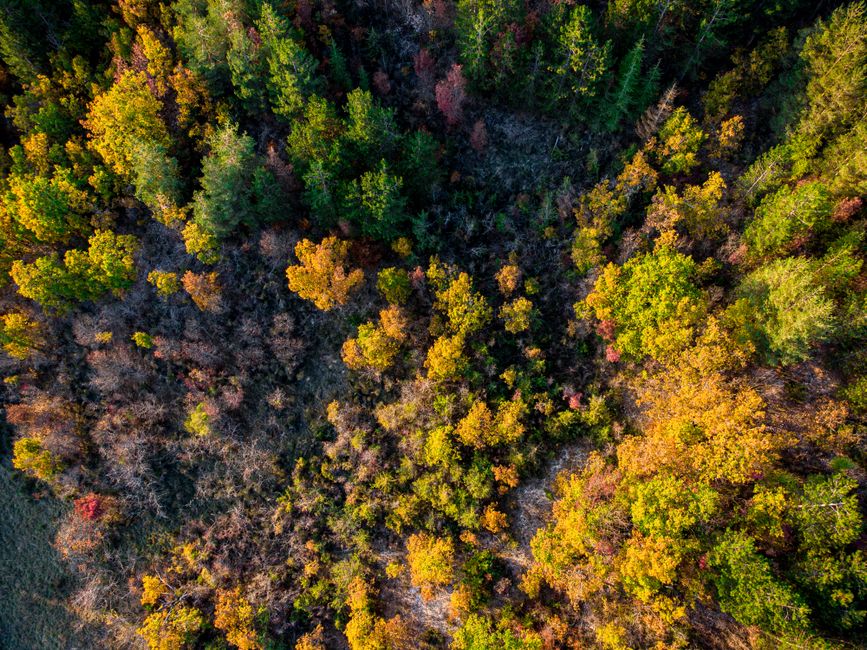
- Trees grow biologically regardless of daily market volatility.
- Timber serves as a natural hedge against inflation.
- Illiquidity remains the largest trade-off compared to stocks.
- Investors can access timber via REITs or private investment funds.
Timberland vs. Stocks: Comparing Long-Term Growth Potential
Timberland acts as a slow-growth anchor in a diversified portfolio. While stocks swing with the mood of the market, trees grow biologically regardless of interest rate hikes or geopolitical tension. This growth serves as a natural hedge against inflation, as timber prices often track or exceed the consumer price index over long periods. If you want a financial buffer that ignores the noise of the trading floor, timberland provides a steady, if quiet, alternative. It is not for the day trader, but for the patient investor looking to preserve capital while gaining exposure to a tangible, physical asset that produces value every single day.
Why Timberland is Essential for Portfolio Diversification
Stocks are liquid and easy to trade, but they suffer from high daily volatility. Timberland is the opposite. You cannot sell a forest on a mobile app in three seconds, but you also won't see your investment drop 10% because of a bad quarterly earnings report. Historical data suggests timber returns often show low correlation with broader equity markets. This means when the S&P 500 takes a hit, your forest continues its biological expansion. You are essentially investing in a commodity that becomes more valuable as it matures. But remember, stocks offer dividends and immediate liquidity that timber simply cannot match. You must choose between the instant gratification of a liquid portfolio and the long-term stability of a timber-backed holding. There is no right answer, only the trade-off between accessibility and the peace of mind that comes from owning a physical resource.
The Primary Benefits of Investing in Timberland
Real estate and timber are both physical assets, yet they operate on different rhythms. Residential real estate requires property management, tenant relations, and constant upkeep to maintain value. Timberland is largely self-sustaining. The trees do the heavy lifting by growing, and the management requirements are minimal compared to a commercial apartment complex. However, real estate can provide monthly cash flow through rent, whereas timber generates income only during harvest cycles. You might wait a decade for a major payout from a timber plot. If you need steady monthly income to cover living expenses, timberland is likely a poor fit. It is a capital preservation play, not a replacement for a landlord's monthly rent check.
Understanding Timberland Liquidity and Entry Barriers
The biggest drawback to timberland is its lack of liquidity. Once you commit capital to a private timber investment, you are often locked in for years. You cannot pull your money out when you have a sudden financial emergency. This is why many investors prefer Timberland Investment Management Organizations (TIMOs) or Timber REITs. These vehicles allow you to buy shares of timberland much like you would buy a stock. You gain exposure to the sector without needing to buy a thousand acres of pine trees yourself. Check your brokerage platform for specific REIT ticker symbols to see how they have performed historically. Just keep in mind that REITs are still tied to the stock market, so they may be more volatile than owning raw land.
How to Start Investing in Timberland
You don't need a logging permit to start. Publicly traded timber REITs provide the easiest entry point for most individual investors. These companies own millions of acres and pay out dividends based on their harvest cycles. Research the specific holdings of any REIT you consider to ensure they manage the type of timber you want exposure to. Some focus on softwoods for housing, while others focus on hardwoods for furniture. Look at the expense ratios and dividend yields before you commit. It is a simple way to diversify, but always keep your time horizon in mind. If you cannot leave your money untouched for at least five to seven years, look elsewhere.
Frequently asked questions
Yes, timberland is historically considered a strong inflation hedge because timber prices often rise alongside or exceed inflation, and the biological growth of trees provides value appreciation regardless of market conditions.
Returns are generated through biological growth (the physical increase in tree volume over time) and price appreciation (the increase in the market value of the timber and the underlying land).
No, timberland is generally considered an illiquid asset. Unlike stocks, timberland cannot be sold instantly, and transactions often involve significant time, due diligence, and capital requirements.