Hidden Costs of Oil and Petroleum Investment Risks
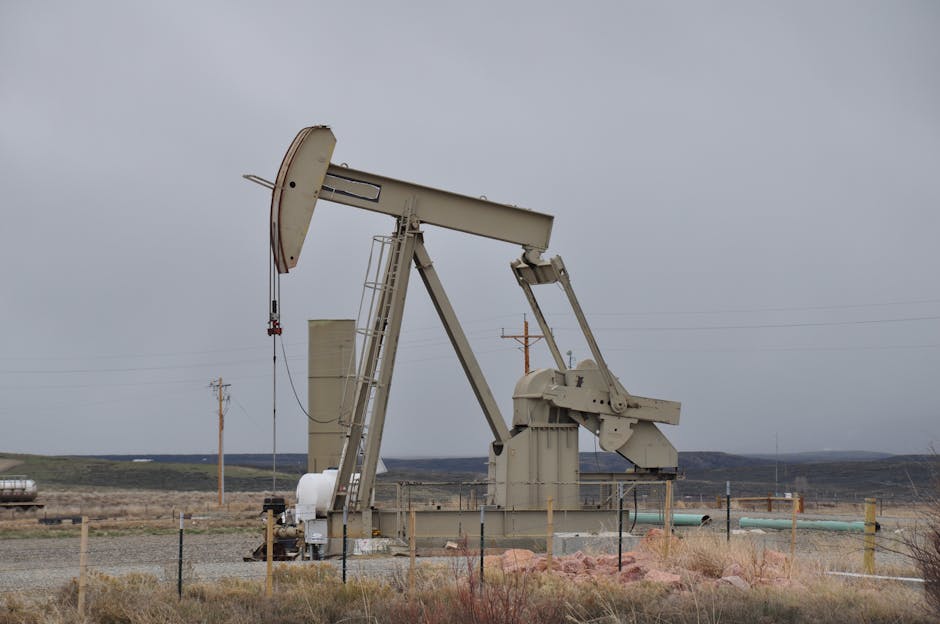
- Environmental and health costs are rarely included in the market price of oil.
- Public health burdens from emissions equate to a hidden tax on taxpayers.
- Abandoned infrastructure creates unfunded liabilities for the public.
- Regulatory shifts will eventually force companies to internalize these costs.
What are the hidden costs of fossil fuels?
Petroleum costs far more than the sticker price at the gas station. While you pay for the fuel, taxpayers and local communities frequently cover the bill for environmental remediation, infrastructure wear, and public health issues caused by emissions. These externalities are rarely reflected in the market price of a barrel. If these costs were internalized, the price of gasoline would look drastically different. Companies often shift these expenses to boost short-term margins, but that creates a ticking time bomb for long-term investors. You aren't just paying for the gas; you’re subsidizing the cleanup, the medical bills, and the infrastructure maintenance that oil companies ignore. It is a massive hidden tax on your total wealth.
How do petroleum industry liabilities affect stock value?
Companies treat environmental and health impacts as externalities rather than liabilities. By shifting these burdens onto the public, firms artificially inflate their profitability. But this strategy works only until regulators step in. According to the International Monetary Fund, fossil fuel subsidies—which include underpriced environmental and health costs—reach trillions of dollars annually. If you hold oil stocks, you must consider the risk of these costs being forced onto corporate balance sheets through carbon taxes or cleanup mandates. When a government updates its accounting, your investment thesis might collapse overnight. It is a game of shifting blame that leaves the investor holding the bag when the bill finally arrives.
Why do oil industry environmental costs matter to investors?
You are likely paying for petroleum through your insurance premiums and tax dollars. Air pollution from combustion creates direct health crises, including respiratory issues and cardiovascular disease. According to research from the World Health Organization, millions of premature deaths occur annually due to ambient air pollution. These deaths equate to lost economic productivity and strained public health systems. While the oil industry generates revenue, the health sector bears the weight of the damage. For an investor, this represents a significant drag on the broader economy that reduces overall purchasing power. You are effectively paying for the product twice: once at the pump and again in your medical costs.
How to manage long-term energy sector risks in your portfolio?
Abandoned wells and aging pipelines represent a massive, unfunded liability. When a company goes bust or offloads its assets to smaller, undercapitalized firms, the responsibility for plugging and cleaning up these sites often falls to the state. In the United States, thousands of orphaned wells leak methane and chemicals into local water supplies. According to the Environmental Protection Agency, the cleanup costs for these sites can reach into the billions. These are not just line items; they are long-term environmental hazards. If you are looking at an energy company, check their asset retirement obligations in their annual report. If those numbers look low, they are likely ignoring the real cost of their footprint.
Is regulation the investor's biggest threat?
Governments are slowly moving toward internalizing these hidden costs. Carbon pricing, emission caps, and stricter liability laws are gaining traction in several jurisdictions. When these policies become law, the cheap price of petroleum will vanish. But don't expect a smooth transition for your portfolio. Transitioning to a model where polluters pay the full cost of their impact will punish companies that rely on high-pollution methods. Smart investors are already looking at companies with lower emission profiles. It is a shift away from legacy energy and toward efficiency. If you don't account for these incoming regulatory costs, you are ignoring the most significant risk to your capital.
How to spot hidden petroleum costs
Start by reading the Risk Factors section of a company's 10-K filing. Look for mentions of litigation, environmental remediation, and asset retirement obligations. If a company lacks clear data on their cleanup liabilities, treat that as a red flag. Compare their spending on maintenance versus their dividend payouts. If they are paying out excess cash while ignoring aging infrastructure, they are likely punting the costs to the future. Check the specific regional regulations where they operate to see if cleanup laws are tightening. You need to be skeptical of any firm that claims their operations have no impact on the surrounding community. It is a cost that eventually comes due.
Frequently asked questions
Petroleum investments carry hidden costs such as site remediation, health-related lawsuits, carbon taxes, and compliance expenses that can erode returns over time.
Environmental liabilities increase future cash‑outflows and legal risk, leading analysts to lower earnings forecasts and investors to discount the stock.
Yes, spreading exposure across renewable energy, low‑carbon sectors, and non‑energy assets reduces reliance on oil’s volatile and liability‑heavy performance.
Stricter emissions standards, higher carbon pricing, and mandatory disclosure of climate‑related financial risks are raising compliance costs and potential fines for oil companies.
Review a company’s SEC filings for remediation provisions, read ESG reports, monitor litigation databases, and assess exposure to carbon‑tax regimes.