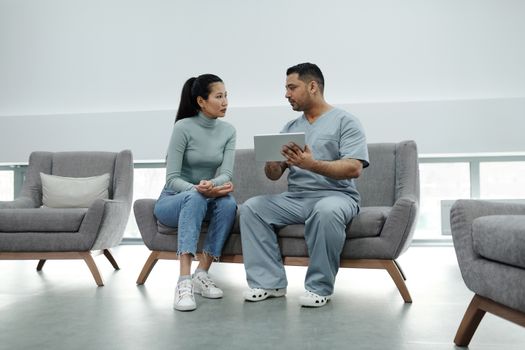
Telehealth in Clinical Trials: Increasing Patient Access and Diversity

- Telehealth may lower barriers for clinical trial participation.
- Better demographic representation leads to safer drugs for everyone.
- Remote options reduce travel time and costs for patients.
- Digital access remains a significant hurdle for some populations.
How does telehealth improve clinical trial accessibility?
The OPTIMUM team is investigating whether a better telehealth experience helps bring more people from underserved communities into clinical trials. For you, this means the future of medical research might finally include people who have historically been left out. By testing if digital tools make participation easier, researchers hope to close the equity gap in health data. If you have been hesitant to join a trial because of travel or time, these findings could change your options. It is not just about convenience; it is about ensuring that the treatments developed for the public actually work for everyone. If the study shows that telehealth lowers barriers, you can expect more trials to offer remote check-ins. This shift could make participating in life-saving research far more accessible for your family and neighbors.
What is the role of remote patient monitoring in clinical research?
On September 8, 2026, the OPTIMUM team announced they are studying how digital patient experiences influence enrollment. They are specifically looking at whether remote monitoring and virtual visits encourage people who live far from major research centers to participate. Traditional trials often require weekly visits to a clinic, which creates a massive burden for those without reliable transportation. By digitizing parts of the process, the team hopes to prove that distance should not prevent you from accessing new therapies. If this approach works, it will change how sponsors design their protocols for future studies.
Can digital tools increase clinical trial diversity?
Most drugs are tested on a narrow slice of the population, which can lead to unexpected side effects later. When researchers include a wider range of backgrounds, the resulting data is much more accurate. You want to know that a medication works for your specific genetic profile and lifestyle. If trials only recruit people who live in cities or have flexible work hours, the results fail to account for your unique needs. Expanding recruitment through telehealth is one way to ensure that the medicine you take is actually tested on people like you.
What are the primary benefits of decentralized clinical trials?
While remote trials sound ideal, they come with real downsides. You might miss the personal connection of an in-person exam, where a doctor might notice subtle physical cues. Additionally, relying on video calls requires a stable internet connection and a working device, which not every household possesses. Some patients find the technology confusing or intrusive to their home life. If you struggle with technology, a remote-heavy trial might feel like a barrier rather than a help. Always ask if there is a hybrid option that allows for occasional in-person visits to balance these concerns.
How can patients find clinical trials that offer telehealth options?
If you are interested in joining a study, you should start by looking at official databases. Visit ClinicalTrials.gov and filter your search by location or study type. Look for protocols that mention 'decentralized' or 'remote' visits in the description. Not every trial offers these features yet, so you may need to ask the recruitment coordinator directly. Ask them specifically if they provide tablets or internet hotspots for participants who lack them. These accommodations are becoming more common as researchers recognize the need for broader participation.
What are the limitations for patients who lack digital access?
If you do not have a smartphone or reliable home internet, you might feel excluded from these new digital trials. The OPTIMUM study is highlighting the need for solutions, but the industry is still catching up. Do not assume you are ineligible just because you lack high-end tech. Many research sites have programs to provide the necessary hardware to volunteers. Call the research site and explain your situation before you rule yourself out. Your participation is valuable, and researchers are often willing to find workarounds to get you involved.
Frequently asked questions
A decentralized clinical trial (DCT) uses digital health technologies and local healthcare providers to conduct research activities outside of traditional, centralized clinical sites, often allowing patients to participate from home.
Telehealth reduces the burden of travel and time commitment for participants, which significantly lowers dropout rates and ensures consistent data collection throughout the study duration.
Yes, for many study types, telehealth and remote monitoring provide data quality comparable to in-person visits while simultaneously increasing the diversity and size of the participant pool.