How Wearable Health Tech is Reshaping Workplace Safety and Privacy
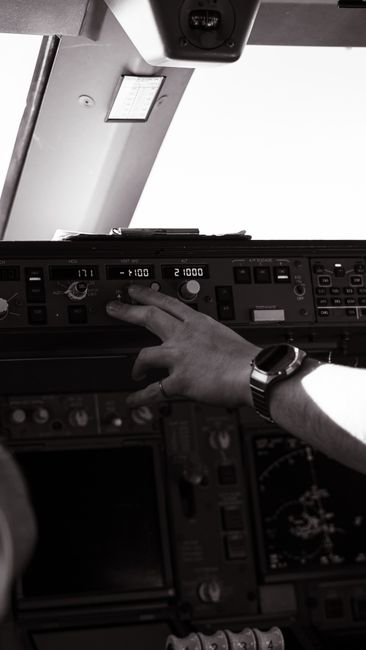
- Temple aims to use wearable data to monitor pilot health in real-time.
- The initiative follows a Flydubai incident highlighting gaps in medical certification.
- Continuous monitoring creates a risk of workplace surveillance based on health data.
- Automated fitness assessments could eventually move beyond aviation into other industries.
How is fitness for duty technology changing high-stakes industries?
Deepinder Goyal’s healthtech startup, Temple, is exploring whether its wearable devices can assess if pilots are fit to fly. This push follows a flight incident involving Flydubai that sparked discussions about pilot health and sudden medical emergencies. For the average person, this marks a shift in how we view health data at work. If your employer can track your heart rate or stress levels to determine if you are fit for duty, the boundary between your private health and your career vanishes. While this could prevent accidents, it creates a reality where your own body could effectively fire you. This technology is not just for aviation; it is a preview of how biometric data will likely change employment across many high-stakes industries.
What are the risks of collecting biometric data in the workplace?
Temple’s devices track metrics like heart rate, blood oxygen, and sleep patterns. By gathering this data around the clock, the system builds a baseline of what is normal for an individual. When a reading falls outside that baseline, the device alerts the user or a supervisor. Think of it as a digital physical exam that never stops. Most medical checks currently happen annually or when a pilot reports an illness. This new approach swaps that slow, periodic process for constant data streams. But there is a technical hurdle. Data alone does not tell the whole story. A wearable might detect a high heart rate, but it cannot always distinguish between a health crisis and a heavy dose of caffeine. Precision remains the biggest hurdle for this technology to clear.
How to Balance Workplace Health Tracking with Employee Privacy
Aviation safety relies on the health of the crew. When a pilot suffers a medical event mid-flight, the results are often catastrophic. According to reports following the Flydubai incident, concerns about underlying conditions not caught by standard periodic exams are growing. Current medical certification for pilots often happens once or twice a year. That is a massive gap in data. Temple aims to fill that gap with constant monitoring. By tracking vital signs in real time, the device could flag irregularities long before they become an emergency. But there is a catch. If the device reports an anomaly, does the pilot get grounded immediately? An automated system lacks the human touch required to understand context. Relying on algorithms to make career-ending decisions is a high-stakes gamble that requires careful oversight.
Best Practices for Addressing Wearable Tech Privacy Concerns
Privacy becomes the primary casualty of constant monitoring. When you wear a device that reports your health status to an employer, you lose the ability to keep your medical life private. You might feel pressured to suppress information or change your habits to avoid a bad reading. If a company owns the data, they might use it to influence your professional standing. You have to ask if the gain in safety justifies the loss of autonomy. For most employees, the answer is not clear. We have not yet established legal standards for how this data can be used. Will your health profile be kept in a secure vault, or will it be open to human resources? Until those rules exist, the risks for the individual remain high.
The Risks and Limitations of Algorithmic Monitoring
Algorithms are only as good as the data they receive. If a sensor malfunctions or reports a false positive, the consequences for the pilot could be severe. A false alarm could lead to a grounding and a loss of income based on a glitch. Furthermore, people have different physiological responses to stress and fatigue. A one-size-fits-all threshold for what constitutes 'fit to fly' is inherently flawed. If an algorithm is designed to be overly cautious to avoid risk, it might ground perfectly healthy people. Conversely, if it is too loose, it fails its primary purpose. Finding that balance is not a simple engineering task. It is a complex social and ethical problem that machines cannot solve on their own.
Why Wearable Health Monitoring Extends Beyond Aviation
If Temple succeeds in the cockpit, other industries will follow. Imagine bus drivers, surgeons, or heavy machinery operators wearing similar sensors to guarantee fitness. The trend of monitoring employees through wearables is already growing in logistics and manufacturing sectors. You might not be a pilot, but your job could soon involve a fitness dashboard. If your biometric data becomes a requirement for your paycheck, the nature of employment will change. We are entering an era where your health is no longer your own business. It is becoming a key performance indicator for the companies that hire you. The impact of this shift will be felt far beyond the flight deck.
Will You Be Monitored at Work?
It is unlikely that mandatory health tracking will stay limited to pilots. As the cost of wearable sensors drops and the accuracy of health analytics improves, more industries will demand similar oversight. If you work in a role where a medical error could cost lives, you should prepare for the possibility of being monitored. Employers want to reduce risk, and constant data is the most direct way to do that. You should check your employee handbook for updates on biometric policies. If your company introduces health tracking, ask who has access to the data and how it impacts your career. Your health is your most personal asset. Protecting it requires you to be informed about how it is being used by those who pay your salary.
Frequently asked questions
Legality depends on jurisdiction and the specific data collected. Generally, employers must obtain informed consent, ensure data is used only for legitimate safety purposes, and comply with regional privacy laws like GDPR or HIPAA.
Wearables can provide early warnings for fatigue, stress, or medical emergencies, potentially preventing accidents in high-stakes environments and promoting proactive wellness management.
Companies should implement strict data encryption, limit access to authorized personnel only, anonymize data sets, and establish clear policies regarding data retention and the right to opt-out.