Tata Chemicals Stock Analysis: Hidden Costs and Cycle Risks
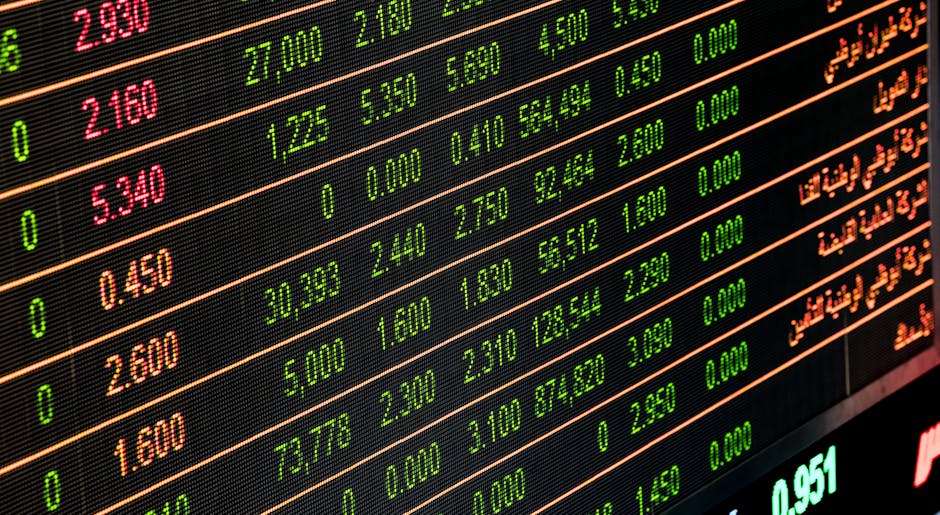
- The current share price is dynamic; check a live exchange for the exact figure.
- Brokerage fees and taxes often erode small-margin gains significantly.
- Soda ash market cycles create volatility that can trap reactive investors.
- Emotional trading acts as an invisible tax on your total returns.
What are the hidden costs of stock trading?
The current share price of Tata Chemicals changes by the minute, so you should check a live financial portal like the NSE website for the exact number. Most investors fixate on this single digit, but that is a mistake. Focusing only on the ticker price ignores the actual cost of holding the stock. Beyond the purchase price, you face brokerage commissions, depository participant charges, and the heavy tax implications of short-term gains. If you ignore these invisible line items, your actual return will be significantly lower than the ticker suggests. It is not just about the buy-in price; it is about what stays in your pocket after the dust settles.
How do commodity cycles impact Tata Chemicals stock risks?
Tata Chemicals is heavily tied to the global soda ash market. When industrial demand for glass or detergents dips, the stock often follows suit. This isn't a reflection of the company's management, but rather a standard cycle in commodity-based manufacturing. You might see the price drop because of a rise in energy costs in a completely different country. That is the downside of investing in a global entity. Your portfolio is exposed to macro-economic shifts that you cannot control. So, don't view a price dip as a personal failure. It is simply the market adjusting to external inputs that have nothing to do with the company's core health. But you must be prepared for these swings if you choose to hold this stock.
Why Real Stock Returns Differ From Ticker Price Performance
Every time you trade, you pay. Brokerage firms charge commissions, and government bodies collect Securities Transaction Tax. If you are a high-frequency trader, these pennies add up to a significant percentage of your capital. Many platforms hide these costs inside complex fee structures or tiered plans. You should use a simple spreadsheet to track every cent spent on entries and exits. If your gains are small, the transactional overhead can eat your profit entirely. It is a quiet killer of wealth that most beginners overlook until it is too late. Keep your trading activity low to minimize this friction.
Is commodity cycle investing right for your portfolio?
Money tied up in Tata Chemicals is money not working elsewhere. If the stock stays flat for two years, you have essentially lost money due to inflation and missed dividends from high-yield alternatives. You must compare the projected growth of this chemical giant against low-risk instruments like bonds or index funds. If you do not account for this opportunity cost, you are operating at a loss. Always ask yourself if this capital could perform better in a different sector. Sometimes, the most expensive thing you can do is hold a stock that is going nowhere.
How Emotional Bias Acts as a Hidden Investment Expense
Panic is expensive. When the share price drops, many investors sell to stop the bleeding. This is a classic mistake that forces you to lock in a loss. The emotional cost of stress and the subsequent bad decisions can ruin a portfolio faster than any market crash. Instead of reacting to daily charts, look at the quarterly reports provided by the company. Base your decisions on the balance sheet, not your anxiety. Keeping a cool head is a financial strategy, not just a personality trait. It keeps your money safe from your own worst impulses.
Frequently asked questions
Tata Chemicals is heavily exposed to soda ash and specialty chemical cycles. When global demand for glass and detergents fluctuates, the company's margins shift, often causing the stock price to move independently of its internal operational performance.
Beyond the ticker price, investors must account for brokerage commissions, Securities Transaction Tax (STT), exchange transaction charges, GST on brokerage, and stamp duty. These costs can significantly erode net returns, especially for frequent traders.
Tata Chemicals is a cyclical stock. Its suitability depends on your risk tolerance regarding commodity price volatility and your ability to hold through market downturns to benefit from long-term industrial growth.