How AI Digital Twins and Neural Rendering Work
- Digital likenesses rely on neural rendering to map facial movements.
- Training requires hours of footage to capture unique muscle patterns.
- Synthetic performances offer efficiency but raise significant legal questions.
- Detection remains difficult without specialized forensic software.
How does neural rendering create realistic movement?
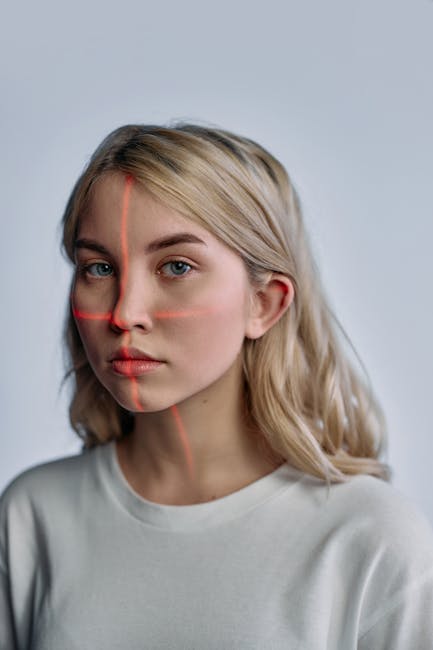
Helen Mirren’s digital likeness is created using a technique called neural rendering, which maps her facial expressions onto a computer-generated model. It works by feeding hours of film footage into a machine learning system to study how her facial muscles move during speech. Once the software understands her unique patterns, it can animate a digital double to perform new movements or dialogue. This process removes the need for traditional reshoots or hours spent in a makeup chair. But, it creates complex questions about who actually owns an actor's face. While this technology creates impressive results, it is not a perfect mirror of human emotion. Users often notice subtle stiffness in the eyes or unnatural blinking patterns during prolonged close-up shots.
How are AI digital doubles created?
Creating a high-fidelity digital twin requires a massive dataset of high-resolution video. Engineers typically need at least 50 to 100 hours of footage from different angles to ensure the model captures every nuance. The AI identifies thousands of anchor points on the face, tracking how light hits the skin and how shadows shift. After the initial training phase, the model can generate a custom animation in roughly 10 minutes for every one minute of finished footage. This efficiency is why major studios consider it a standard production tool. However, the downside is the high cost of processing power required for high-quality rendering. Most small studios cannot afford the hardware needed to produce a likeness that avoids the uncanny valley effect.
How is AI facial animation changing film production?
You will find these digital tools in post-production studios to fix continuity errors or dub dialogue into different languages. If an actor is unavailable for a reshoot, the studio uses their digital likeness to bridge the gap. It is also common in high-budget advertising to maintain a consistent brand ambassador appearance across multiple global markets. According to industry reports from motion capture firms, the time saved on set can reach up to 30 percent. But this speed comes at a cost to the actor's creative control. Once the digital model is finalized, the studio effectively owns the ability to make that face perform any script.
What are the primary AI likeness ethics concerns?
The use of digital likenesses creates a massive conflict regarding personality rights. Because the AI can replicate a person's voice and appearance, it is possible for unauthorized parties to generate misleading content. Many actors now include strict clauses in their contracts that define exactly how their digital data can be stored. These contracts often state that the likeness can only be used for specific projects. Without these protections, a digital image could theoretically be used for endorsements that the actor never approved. Legal experts suggest that current laws are struggling to keep pace with the speed of this software.
Why is a high-fidelity digital twin difficult to perfect?
While professional tools require enterprise-level access, public-facing apps are becoming more capable. You can find browser-based tools that generate basic avatars from a few photos in under 5 minutes. These consumer versions lack the precision used by film studios, often failing to replicate complex emotional micro-expressions. If you use one of these tools, you will likely see clear errors in lip-syncing or skin texture. Professional-grade work remains locked behind expensive subscription tiers and proprietary hardware requirements. It is a field where you get exactly what you pay for.
How do you spot a synthetic performance?
Spotting a digital likeness requires looking for inconsistencies that the software struggles to render. Pay close attention to the way the eyes move relative to the rest of the face. In many synthetic performances, the eyes remain static while the mouth moves, creating a disconnect in the viewer's brain. You can also look for artifacts around the hairline or ears where the digital skin meets the real background. If the lighting on the face seems to ignore the light sources in the room, it is almost certainly a generated image. These small errors are the best way to distinguish a real actor from a digital model.
Frequently asked questions
Traditional CGI relies on manual 3D modeling and rigging, whereas neural rendering uses machine learning to synthesize images from data, allowing for more realistic lighting and movement without manual animation.
While AI can replicate likenesses and performances, it currently lacks the nuanced emotional depth of human actors. It is primarily used as a tool to augment performances or recreate actors in specific scenes.
Key ethical concerns include the unauthorized use of an actor's likeness, the potential for deepfakes, and the long-term impact on job security and creative control for performers.