Strait of Hormuz: Strategic Importance and Global Shipping Facts
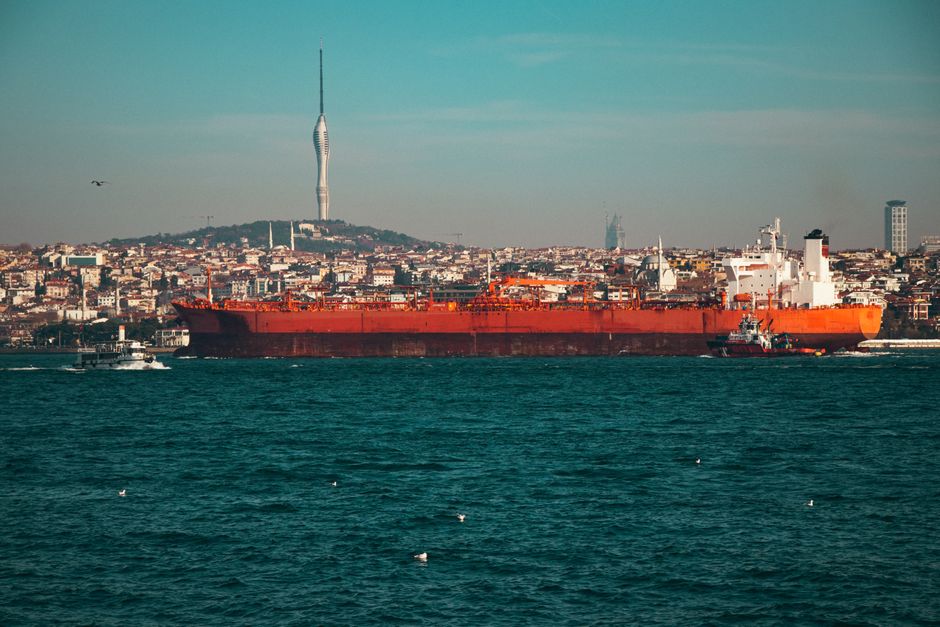
- The strait is a 21-mile-wide corridor, not a narrow river.
- About 20% of global petroleum consumption passes through this route daily.
- Market price spikes are often temporary rather than permanent shifts.
- Transit rights are governed by international law, not just regional claims.
Why is the Strait of Hormuz a critical maritime chokepoint?
The Strait of Hormuz is the world's most critical maritime chokepoint, carrying about 20% of total global petroleum consumption daily. Many people assume it is a small canal, but it is a vast, open stretch of water between Oman and Iran. Understanding its function requires looking at the narrow shipping lanes rather than the entire width of the waterway. If you want to grasp how global energy markets react to instability, you must distinguish between the actual shipping channel and the wider territorial waters. Mistakes in this area often lead to exaggerated fears about supply chain collapses. Focus on the data regarding daily tanker volume instead of emotional headlines.
What is the actual width of the Strait of Hormuz?
People often mistake the Strait of Hormuz for a narrow, easily blocked river. In reality, it is a 21-mile-wide passage at its narrowest point, separating Iran and Oman. Because the shipping lanes are split into two-mile-wide corridors for incoming and outgoing traffic, it remains a fragile logistical artery. You should check the official International Maritime Organization charts if you want to see the exact boundaries. Don't assume that any disruption automatically closes the entire strait. Most incidents occur within these narrow lanes, not across the whole expanse. It is important to visualize the geography to understand why physical closure is so difficult to achieve.
How do shipping lanes affect global energy markets?
Many analysts wrongly predict that any incident in the region spikes oil prices permanently. Historically, price jumps in the energy sector following a Hormuz-related event are often temporary and tied to market sentiment. According to data from the U.S. Energy Information Administration, the strait is essential for exports from Saudi Arabia, Iraq, and the UAE. If you are tracking market impacts, look at the specific type of crude being moved. A tanker delay costs thousands in daily operating expenses, but it rarely stops the entire flow of global energy. The downside here is that market panic often outpaces the actual physical disruption to tanker traffic.
What are the transit rights for ships?
Navigating the strait involves adhering to the United Nations Convention on the Law of the Sea. Most vessels pass through using the right of transit passage, which allows for continuous and expeditious movement. But, this right is frequently contested by regional powers who claim greater control over their territorial waters. If you are researching maritime law, look for official statements from the International Maritime Organization regarding freedom of navigation. Don't rely on social media reports for legal status updates. Legal reality moves much slower than public opinion, and international law rarely changes overnight.
How can you track maritime traffic through the Strait of Hormuz?
Monitoring the strait requires access to reliable ship-tracking software. Tools like MarineTraffic or VesselFinder provide updates on tanker locations. A common mistake is ignoring the difference between a tanker's destination and its current path. You should always verify the cargo type, as crude oil tankers are watched more closely than dry bulk carriers. Don't assume every slow-moving ship is involved in a security incident. Some vessels simply wait for port clearance, which is a routine part of international trade. Using these tools provides a clearer picture than waiting for news cycles to update.
What are the risks to maritime security?
Security experts often focus on the threat of total closure, which is the worst-case scenario. A more common issue is the harassment of commercial vessels or the use of mines in the shipping lanes. These actions create insurance premiums that rise significantly, sometimes by 50% or more for specific high-risk voyages. If you want to monitor the situation, check AIS (Automatic Identification System) tracking data for specific tanker slowdowns. The downside of relying on these tools is that they cannot predict political intent. You must balance technological data with broader geopolitical analysis to form an accurate view.
Frequently asked questions
The Strait of Hormuz is approximately 21 miles wide at its narrowest point, with the main shipping lanes for inbound and outbound tankers each being only two miles wide.
It is a vital artery for the global economy, as roughly 20% to 30% of the world's total global petroleum liquids consumption passes through the strait daily.
Under the UN Convention on the Law of the Sea, commercial vessels have the right of 'transit passage' through the strait, which allows for continuous and expeditious navigation through international waters.