Earthquake Safety: Essential Tips and Common Mistakes to Avoid
- Drop, cover, and hold on immediately instead of running outside.
- Avoid standing in doorways, as they offer no structural protection.
- Secure heavy furniture to walls to prevent crushing injuries.
- Stay away from windows and glass that can shatter during tremors.
Why Drop, Cover, and Hold On Is the Safest Earthquake Action
The safest action is to drop, cover, and hold on the moment you feel shaking. Do not try to run outside or move to another room. Most earthquake injuries occur because people attempt to leave buildings while the ground is still moving. According to the United States Geological Survey, moving during an earthquake is the leading cause of broken bones and head trauma. You should crawl under a sturdy table or desk and hold onto a leg until the shaking stops. If no shelter is nearby, drop to the floor and protect your head and neck with your arms. Stay put until the danger passes completely.
Common Earthquake Safety Myths Debunked
Many people mistakenly believe that doorways are the safest place in a home. This myth originated from old, unreinforced adobe houses where the doorway was sometimes the only stable part of the frame. In modern construction, a doorway is no stronger than any other part of the wall. Standing there leaves you vulnerable to flying debris, which is a major cause of injury. You are far better off under a heavy table. If you are in a hallway, simply drop to the ground and curl into a ball. Do not rely on architectural features that provide no actual protection against structural failure or falling items.
What to Do During an Earthquake If You Are Indoors
Heavy furniture acts like a projectile during an earthquake. Bookshelves, dressers, and television stands can tip over and crush anyone nearby. You should use nylon straps or metal L-brackets to anchor these items to wall studs. Even a small investment of about $20 in hardware can prevent thousands of dollars in property damage. If you cannot anchor an item, move it away from your bed or high-traffic areas. This simple step significantly reduces the risk of being pinned. Remember that even a light bookshelf can weigh over 100 pounds, posing a severe threat to small children or pets.
How to Create an Effective Earthquake Survival Plan
Running outside is almost always a mistake. You are far more likely to be struck by falling glass, bricks, or power lines while outside than you are to be injured inside a building. If you are indoors, stay indoors. If you are already outside, move away from buildings, streetlights, and utility wires. Find an open area and drop to your knees. The downside to staying outside is exposure to falling hazards, but the risk of structural collapse inside a modern home is generally low. Stick to your designated cover area until the movement stops entirely.
How to Manage Utilities After an Earthquake
Do not turn off your gas unless you smell a leak or hear a hissing sound. If you shut it off unnecessarily, you might have to wait days or weeks for a professional technician to restore it. Many cities face a massive backlog of service requests after a major event. If you do smell gas, open windows immediately and leave the premises. Use a wrench to turn the gas valve 90 degrees to the off position. Only turn it back on when a certified professional clears your home for safety. It is better to be safe and cold than to risk a gas explosion in a compromised structure.
How to Prepare for Earthquake Aftershocks
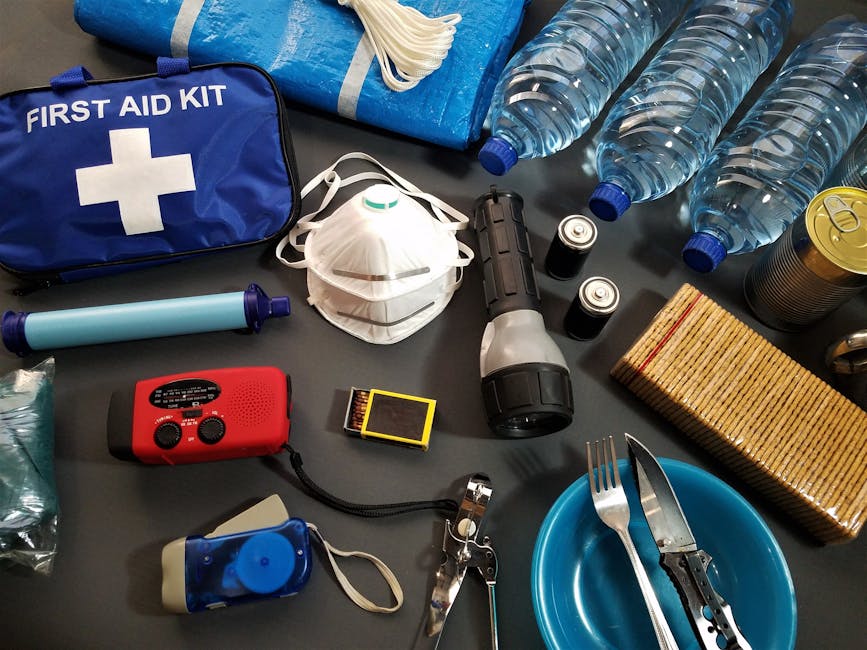
Aftershocks are smaller earthquakes that follow a larger one and can happen minutes or days later. Your home may have sustained hidden damage that makes it weaker during these subsequent tremors. Keep your emergency kit accessible, containing at least one gallon of water per person per day. If you notice cracks in your foundation or walls, evacuate the area and consult a structural engineer. Do not assume your home is safe just because it remained standing during the initial quake. Being prepared for the next wave is just as important as surviving the first.
Frequently asked questions
No, standing in a doorway is a dangerous myth. Modern doorways are not structurally reinforced and do not protect you from falling debris, which is the primary cause of earthquake-related injuries.
The most effective method is to 'Drop, Cover, and Hold On.' Drop to your hands and knees, take cover under a sturdy desk or table, and hold on until the shaking stops.
Only turn off your gas if you smell gas, hear a hissing sound, or suspect a leak. Once turned off, it must be turned back on by a professional technician to ensure the system is safe.