Is the Stock Market Outlook Reliable for Investors?
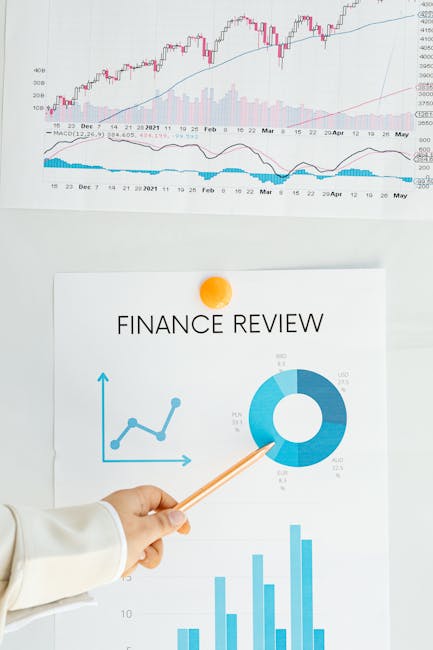
- The outlook isn’t a guarantee – it’s a probabilistic guide
- Historical equity returns average ~9.8% over ten years
- Bonds may lag with yields around 3% in recent years
- Volatility and policy shifts are the biggest downsides
- Check the latest reports before committing
How accurate is the current stock market outlook?
Short answer: the outlook can help you position bets, but it’s no crystal ball. Historically, the S&P 500 has delivered about 9.8% annual returns over the past decade, yet each year brings its own surprise. So decide based on your timeline, risk tolerance, and the freshest data you can find.
Why you should question the accuracy of financial forecasts
Analysts at major banks are penciling a modest 3% to 5% gain for U.S. equities this year, according to their public forecasts. That’s a downgrade from the 7% average seen in the previous cycle, reflecting higher valuation levels. The downside? Earnings volatility could swing the market an extra 4% to 6% either way, meaning you could see sharper dips than the headline forecast suggests.
What realistic S&P 500 return projections should investors expect?
Yield curves are flattening, with 10‑year Treasury yields hovering near 3.2% after a two‑year climb. Fixed‑income managers warn that if inflation eases slower than expected, yields could climb another half‑point, shaving price gains. On the upside, the lower volatility of bonds still offers a cushion for risk‑averse investors, but the upside potential is limited.
Is the real estate outlook still attractive for investors?
The National Association of Realtors reports that home price appreciation slowed to 2% year‑over‑year, down from 5% a few years back. Rental yields in major metros sit around 4.5% to 5%, which can outpace bond returns but lag stock growth. The trade‑off is higher capital requirements and exposure to local market cycles.
What are the biggest hidden risks in the stock market outlook?
Policy uncertainty tops the list – the Federal Reserve’s next rate move could swing the market by several points, as noted by Bloomberg analysts. Geopolitical tensions add another layer, with commodity prices able to jump 10% or more on short notice. Ignoring these risks can turn a seemingly solid outlook into a costly misstep.
How can investors use the market outlook without overcommitting?
Treat the outlook as a compass, not a map. Blend the projected 3%‑5% equity gain with a 3% bond yield to create a balanced 4%‑4.5% expected return, then stress‑test that figure against a 6% downside scenario. By anchoring your plan to concrete numbers and clear risk buffers, you keep the outlook useful without letting it dictate every move.
Frequently asked questions
Outlooks are based on historical data and analyst assumptions, so they can guide strategy but aren’t guarantees. Use them with a clear risk tolerance and diversify to mitigate short‑term volatility.
Key drivers include earnings growth, interest‑rate trends, fiscal policy, and unexpected macro events. Analysts also weigh valuation metrics and sector rotation when projecting returns.
A weaker real‑estate outlook may signal lower rental yields or price appreciation. Consider reallocating a portion to sectors with stronger fundamentals, but keep a long‑term perspective and avoid drastic moves based on a single forecast.
Hidden risks often involve geopolitical tensions, supply‑chain disruptions, and rapid policy shifts that models can’t fully capture. Monitoring news and maintaining a cash buffer helps manage these surprises.
Treat forecasts as one input among many. Combine them with personal financial goals, risk appetite, and diversification rules. Allocate only a portion of capital based on any single outlook.